What Is So Special About Sequoia National Park?
John Muir famously described the sequoia groves as “God’s first temple,” a reminder of what makes Sequoia National Park special. These ancient trees—some over 2,000 years old—were once under threat from loggers and sheepherders. In response, conservationists campaigned to protect the area, leading Congress to designate Sequoia as the United States’ second national park (after Yellowstone) in 1890. Planning a visit? Read my guide to How to Spend One Unforgettable Day in Sequoia National Park for the perfect first‑time itinerary.
General Sherman: Largest tree in the world
The park is home to some of thelargest trees in the world, including the General Sherman Tree, the largest tree in the world by volume at an estimated 52,500 cubic feet.
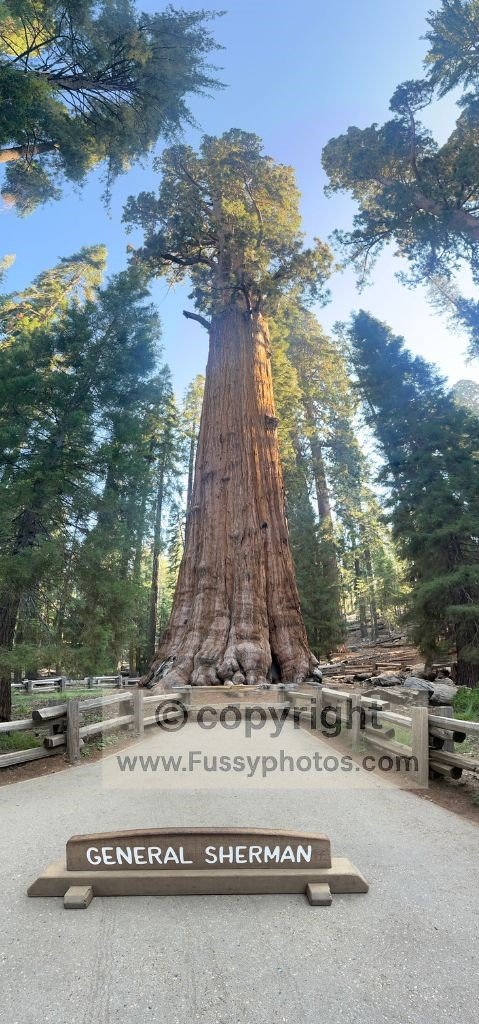
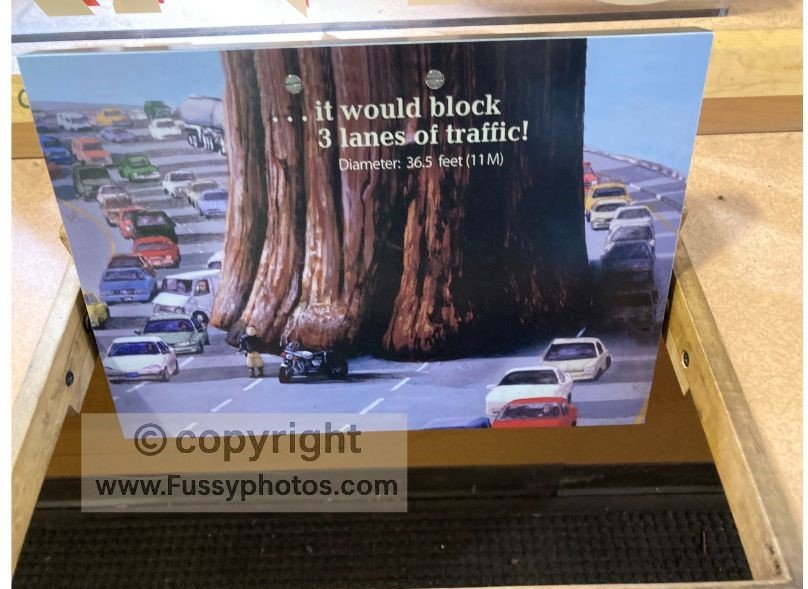
Believed to be around 2,200 years old, it stands as a living link to ancient times — one of many reasons people consider Sequoia National Park special. Though not the tallest tree on Earth (standing at 275 feet), its massive girth accounts for its extraordinary volume and estimated weight of 1,385 tons. Its diameter—11 metres—is roughly the width of three highway lanes.
Exploring Giant Forest: Home of the General Sherman Tree and Sequoia’s Largest Groves
General Sherman is located in Giant Forest, the park’s most popular grove, which sits at an elevation of about 7,000 feet. Nestled between Moro Rock and Lodgepole Campground, the area is accessible by car and offers a large parking lot, with shuttles linking Lodgepole Campground, Crescent Meadow, Moro Rock, and the Giant Forest Museum. This grove features well‑graded, wheelchair‑accessible footpaths, shuttle stops, amenities, and a museum.
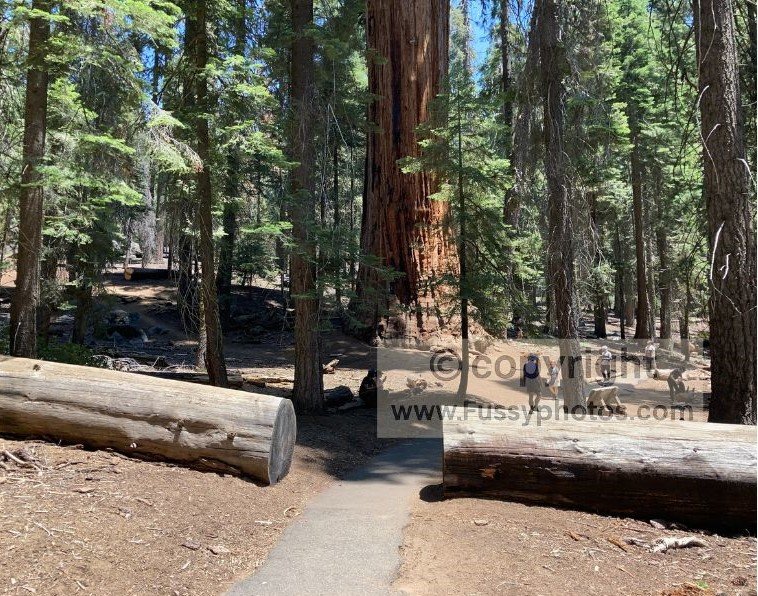
According to the National Park Service, Sequoia contains 36 groves, including five of the ten largest trees in the world by volume. Giant Forest alone is home to several of these giants, making it one of the most remarkable and frequently visited areas of the park.
Moro Rock: Shuttle Access, Trail Steps, and Panoramic Views in Sequoia National Park
During the summer months, complimentary shuttle buses operate between the Giant Forest Museum and the Moro Rock parking area. On weekends, private cars are not permitted on the road, making the shuttle service the only access to Moro Rock and Crescent Meadow, while on weekdays the road remains open to vehicles, though the limited parking spaces tend to fill quickly.
Moro Rock itself, a granite dome just south of Giant Forest, is one of the park’s standout attractions. A short 0.25‑mile trail climbs steps blasted into the rock, leading to panoramic views of the southwestern foothills and the Sequoia‑Kings Wilderness to the east, including Mineral King and the High Sierra Trail area.
Lodgepole Campground and Village: Elevation, Reservations, Amenities, and Shuttle Access in Sequoia National Park
A few miles north, the Lodgepole Visitor Center, Village, and Campground provide comfort and convenience—arguably one of the best‑developed campgrounds in the National Park system.
Set at an elevation of about 6,700 feet, Lodgepole Village sits along the Marble Fork of the Kaweah River and offers a visitor center, market, showers, and laundry facilities.
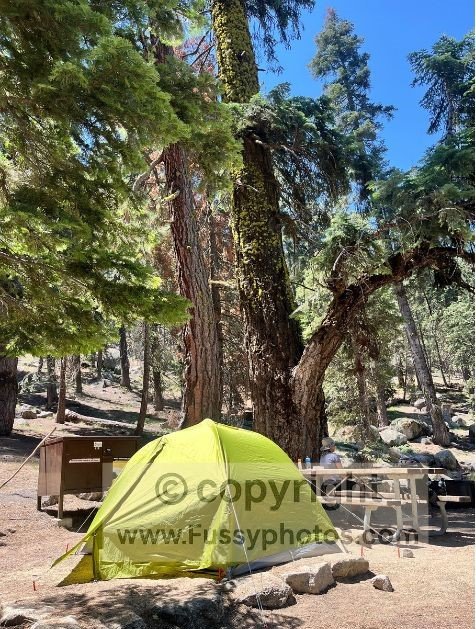
Reservations for Lodgepole Campground generally open in January and can be made up to four months ahead of your visit, with all sites requiring advance booking.
In summer, the free Sequoia Shuttle connects the village with nearby trailheads and attractions, making it an ideal base for exploring the park.
Hikes from Lodgepole Campground: Tokopah Falls Trail and Sherman Tree Trail Access
From Lodgepole Campground, visitors can easily access two popular trails. The Tokopah Falls Trail offers a scenic 1.7‑mile one‑way hike leading to a stunning waterfall, making it one of the most rewarding short hikes in Sequoia National Park.
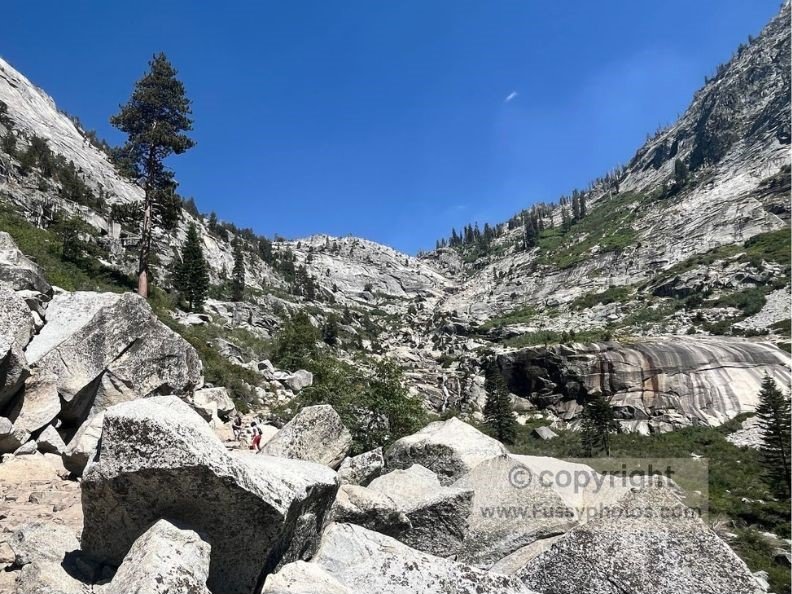
The Lodgepole–Sherman Tree Trail begins at the campground parking lot and leads hikers into Giant Forest, though many visitors choose to ride the free shuttle instead, conserving their energy for exploring the grove of world‑famous giant sequoias, including the General Sherman Tree.
Generals Highway Scenic Drive: Key Attractions, Pullouts, and Amphitheater Point
Generals Highway winds through the western portion of the park, linking key attractions while offering scenic pullouts for photos and access to adjoining Kings Canyon National Park, with the NPS recommending Amphitheater Point as the best of these viewpoints.
Sequoia and Kings Canyon Wilderness: 800 Miles of Trails to Mount Whitney
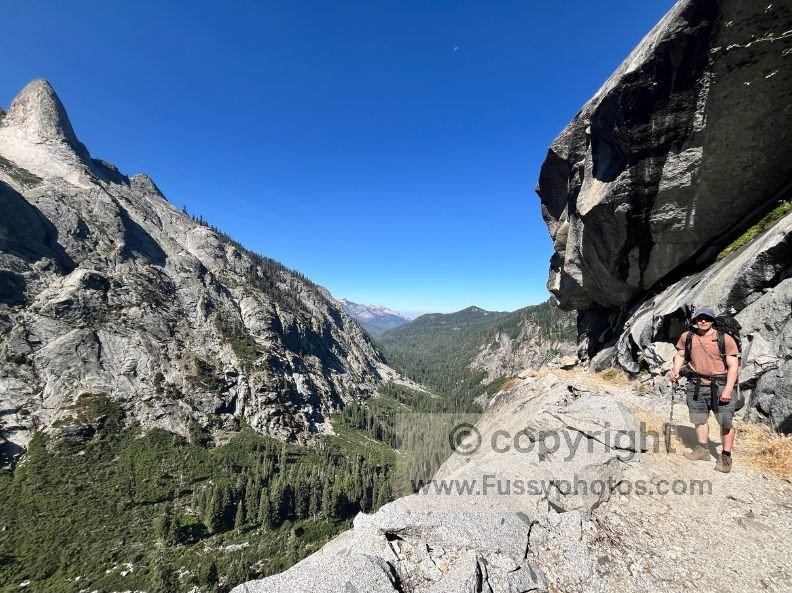
Finally, over 95% of Sequoia and Kings Canyon National Parks are designated wilderness, with more than 800 miles of trails combined. These include the iconic John Muir Trail, Pacific Crest Trail, and the High Sierra Trail—which traverses the heart of the park and highlights why many consider Sequoia National Park special, connecting all the way to Mount Whitney, the highest peak in the contiguous United States at 14,494 feet.
Planning Your Visit
- Best Time to Go: Late spring to early fall for full trail access and cave tours
- Entrance Fee: $35 per vehicle (valid for 7 days)
- Pet Policy: Pets are not allowed on most trails—plan accordingly
- Accessibility: Paved paths to the Sherman Tree and shuttle service available
Sequoia National Park FAQs:
What are the most popular campgrounds in Sequoia National Park?
The most popular options are Lodgepole Campground and Dorst Creek Campground, thanks to their central locations, shuttle access, and proximity to Giant Forest. Lodgepole is open most of the year, while Dorst Creek is typically summer‑only.
Do I need reservations for camping?
Yes—reservations are strongly recommended, especially from late spring through early fall. Same‑day availability is rare during peak season.
Is there camping near the General Sherman Tree?
Not directly, but Lodgepole Campground is the closest developed campground, just a short drive or shuttle ride from Giant Forest. There’s also a direct trail (the Lodgepole–Sherman Tree Trail) between the two, but it’s an uneventful route with no real views.
Are there showers at the campgrounds?
Lodgepole Campground has coin‑operated showers at the nearby market. Most other campgrounds in the park do not offer showers.
What services does the Lodgepole Visitor Center offer?
The visitor center provides trail information, wilderness permits, exhibits, maps, restrooms, and access to the Lodgepole Market, showers, and shuttle stops.
Can I get wilderness permits at Lodgepole?
Yes—Lodgepole is one of the main hubs for wilderness permits, including High Sierra Trail itineraries. Planning a multi‑day adventure? My Backpack the High Sierra Trail Loop: Route Guide explains start points, itineraries, Mineral King variations, campgrounds, and permits.
Which One Is Better: Sequoia, Kings Canyon, or Yosemite?
While all three parks are part of the Sierra Nevada Range, each offers a unique experience. Expect stunning scenery, high alpine landscapes, granite peaks, sequoia groves, wildlife encounters, and solitude for those willing to venture off the beaten path.
Sequoia and Yosemite arguably offer better amenities for longer, more comfortable stays—but this is subjective. All three parks are worthy of multi-day visits and offer unforgettable experiences.
How Far Apart Are Sequoia, Kings Canyon, and Yosemite National Parks?
Sequoia and Kings Canyon are directly connected via Generals Highway on the west side. Yosemite lies farther north, with a drive between parks taking approximately 3–4 hours, depending on your destination.
For avid hikers, multiple trails connect Sequoia and Kings Canyon. The most famous is the John Muir Trail, which spans 213 miles and links all three parks, passing through a variety of scenic landscapes along the way.
Are There Bears in Sequoia National Park?
Yes—black bears (but not grizzlies) inhabit both Sequoia and Kings Canyon National Parks. The National Park Service website offers detailed guidance on bear safety, including how to behave during encounters and how to store food while camping.
We personally saw a black bear on Day 1 of our High Sierra hike—you can check out the footage in this YouTube link.

Discover More Sequoia National Park Adventures
How Sequoia National Park Fits into a Road Trip
- Kings Canyon National Park (west) — Under 1 hour west or 6 hours to a western pass entrance. Explore deep glacial valleys and towering granite cliffs just next door.
- Bishop, CA — 6 hours east. Gateway to the rugged eastern Sierra and the remote east side of Kings Canyon.
- San Francisco, CA — 6 hours west. Iconic cityscape, Golden Gate Bridge, and coastal culture await.
- Yosemite National Park— 4 hours north. Famous for granite giants like El Capitan and Half Dome, plus lush meadows and waterfalls.
- Death Valley National Park — 6–7 hours east. Stark desert beauty, salt flats, and the lowest point in North America.
- Lassen Volcanic National Park (via Sacramento) — 7 hours north. Bubbling mud pots, steaming fumaroles, and a lesser-known volcanic wonderland.