Zion National Park is split into three distinct areas, each offering a different experience: Zion Canyon, Kolob Canyons, and the East Side. This guide compares all three so you can choose the best area for your time, comfort level, and hiking style. Whether you want iconic viewpoints, quieter trails, or cooler high‑country routes, this page breaks down the differences clearly.
| Area | Best For | Pros | Cons |
| Zion Canyon | First‑timers, thrillseekers, iconic hikes | Famous trails (Angels Landing, The Narrows), shuttle access, dramatic canyon walls | Crowded, hottest part of the park, parking restrictions |
| Kolob Canyons | Backpackers, solitude seekers | Quiet trails, big views, La Verkin Creek access to backcountry, good for overnight trips | Fewer trails overall, farther from Springdale, no shuttle |
| East Side | Viewpoints, slickrock explorers, flexible half‑day hikes | Open landscapes, cooler temps, access to Observation Point | Limited parking, dispersed trailheads, less structured routes |
Understanding Zion’s Layout: Zion and Kolob Canyons, and the East Side
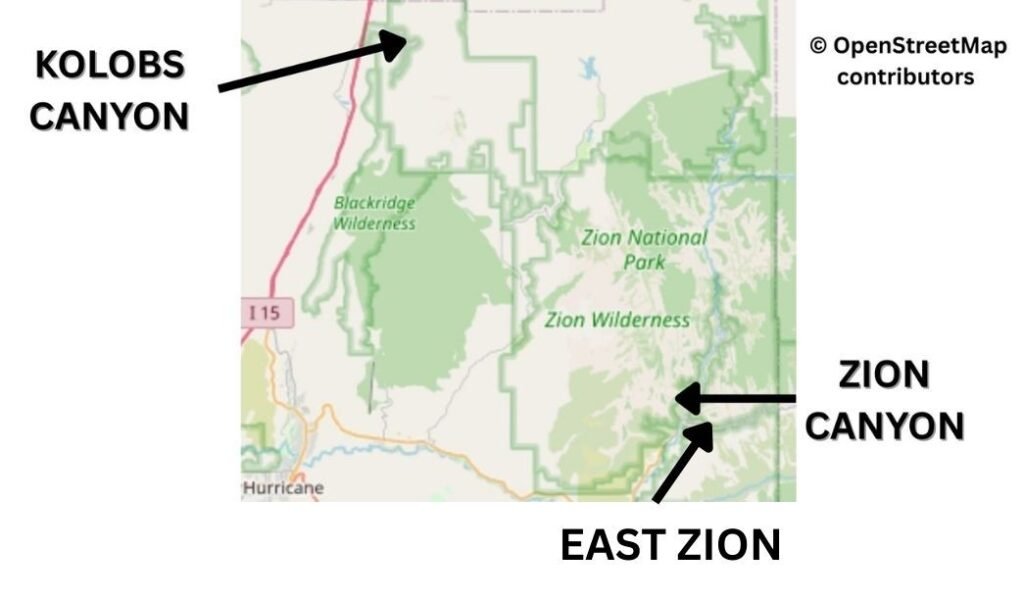
For orientation, you can take a quick look at the official Zion map here , or see my map below showing the relationship between Zion Canyon, East Zion and Kolob Canyons.
Zion Canyon
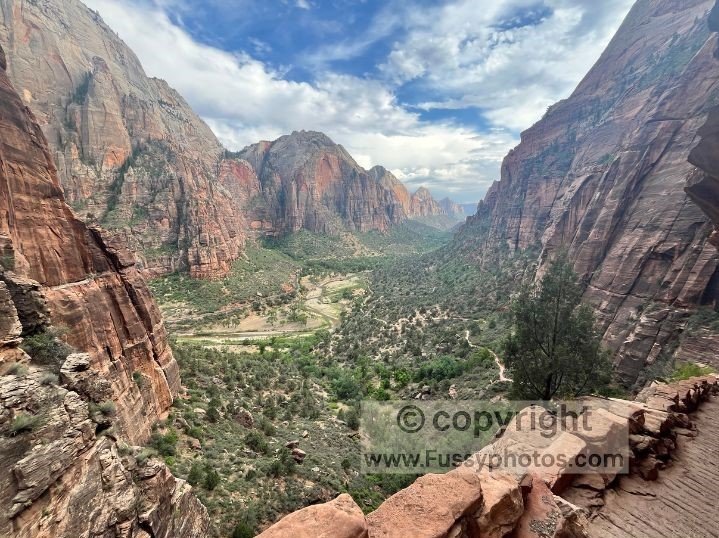
Zion is easier to navigate once you understand its three main areas. Most visitors only see Zion Canyon, the shuttle‑served corridor with the park’s most famous trails. It’s dramatic and memorable, but also the busiest part of the park. The walls rise almost vertically from the valley floor, which is why the hikes here feel so enclosed and why the crowds concentrate in such a small space.
Kolob Canyons
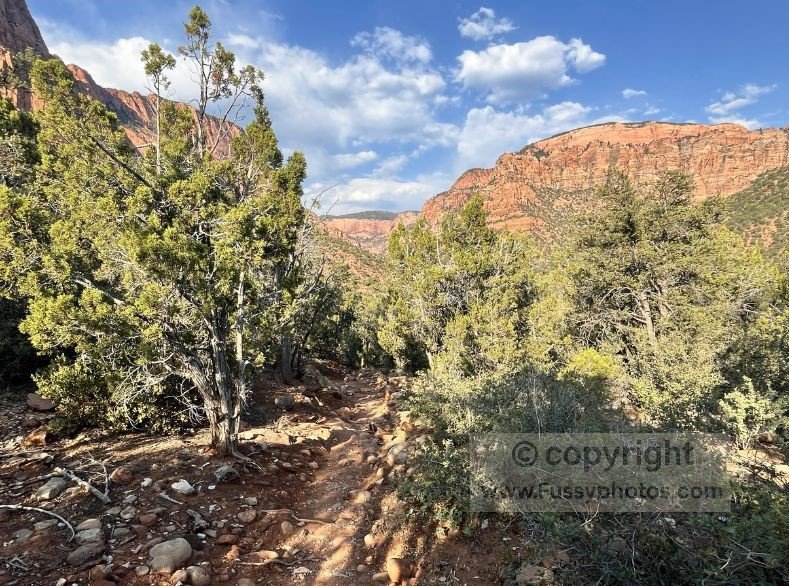
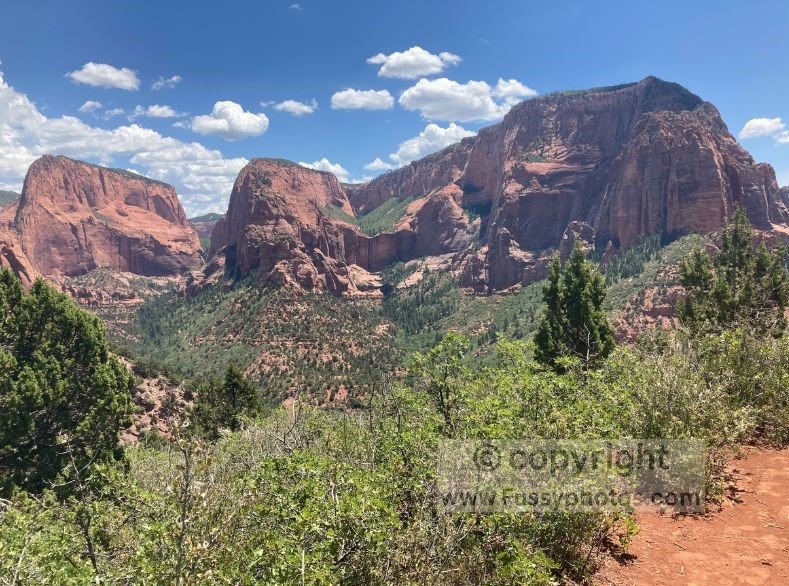
Northwest of the main canyon lies Kolob Canyons, a quieter corner of the park accessed from I‑15. The cliffs here are less imposing but still impressive, and the combination of remoteness and the absence of a shuttle system keeps visitor numbers low.
It’s also the starting point for the La Verkin Creek Trail, which forms the west‑to‑east beginning of the Zion Traverse (see my Zion Traverse: Kolob Canyon to Angels Landing guide). If you’re considering the full Traverse, make sure you read my Zion Traverse Water Safety Guide — it explains every water source and what to expect in each season. The trail has around a dozen backcountry campsites spread along the length of La Verkin Creek, making it a good choice for a one‑night trip if you want solitude, or a longer journey if you’re continuing across the park. La Verkin Creek can be done as a long day hike, but the heat and exposure often make it more enjoyable over two days. Beyond this, Kolob Canyons has a small number of shorter out‑and‑back hikes, offering a quieter alternative to the main‑canyon bustle.
The East Side
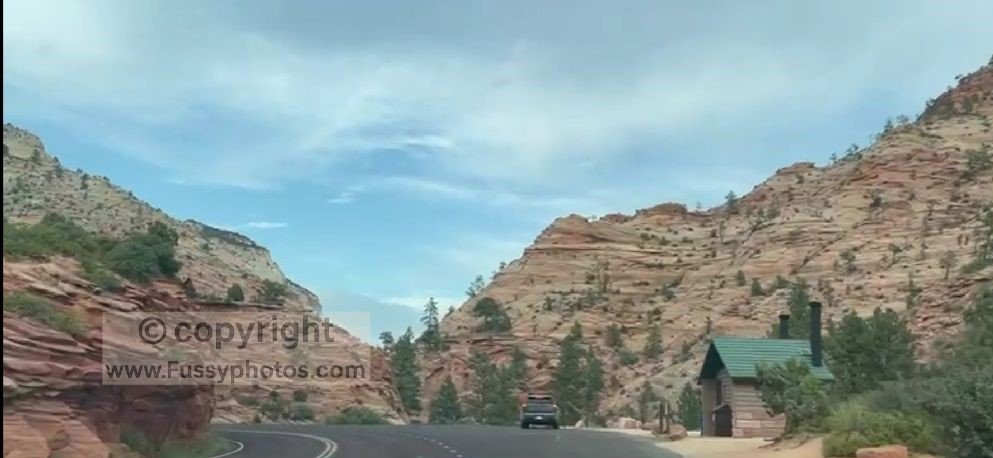
The East Side sits above the main canyon and has a very different feel — more open, more exposed, and with a mix of slickrock, pines, and long views. Observation Point is still reachable from the East Mesa/East Rim Trailhead, but the old route that climbed up from Zion Canyon remains closed due to a rockfall. The Zion–Mount Carmel Highway also cuts through this area, and there are several short hikes and route‑finding scrambles just off the road. Many of them follow general paths across slickrock rather than defined trails, which gives the area a more exploratory feel. The Zion Traverse used to continue all the way to the East Rim Trailhead, but now effectively ends in Zion Canyon, as the final section to the East Rim Trailhead is inaccessible from Zion Canyon.
Which Area Is Best For…
Which area is best for first‑time visitors?
Zion Canyon is the best choice for first‑time visitors, simply because it delivers the classic “this is Zion” experience with the least effort. My own introduction to the park was here, hiking The Narrows and Angels Landing — the two routes that define Zion for so many people. The scenery is immediate and unmistakable, and the shuttle makes it easy to reach the trailheads without worrying about parking.
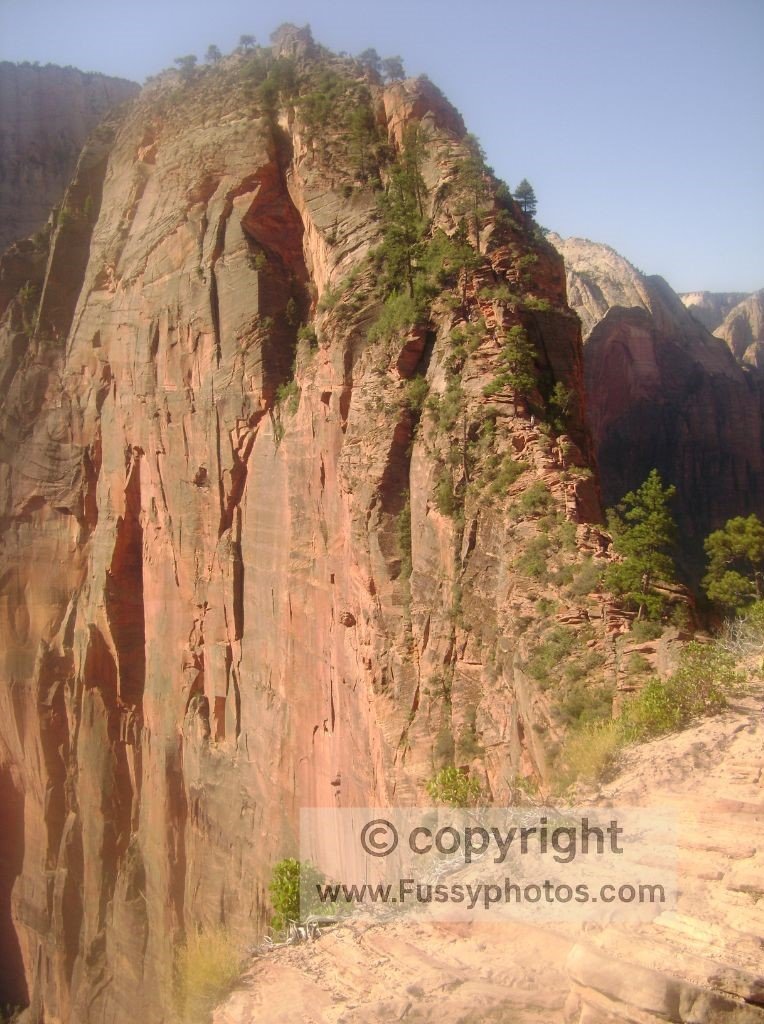
If you’ve already seen the big‑name trails or you prefer something quieter, the East Side is a great alternative. On my second visit I still wanted those classic canyon views but with fewer people, so I hiked Observation Point (back when the Zion Canyon route was still open). Like Angels Landing, it delivers a sweeping perspective over Zion Canyon, but the approach feels far more open and gives you a stronger sense of the wider park — and you get all the views without the narrow ridge, drop‑offs, or vertigo‑inducing exposure. The viewpoint itself is superb: an uninterrupted panorama down Zion Canyon from a perch roughly 700 feet above Angels Landing.
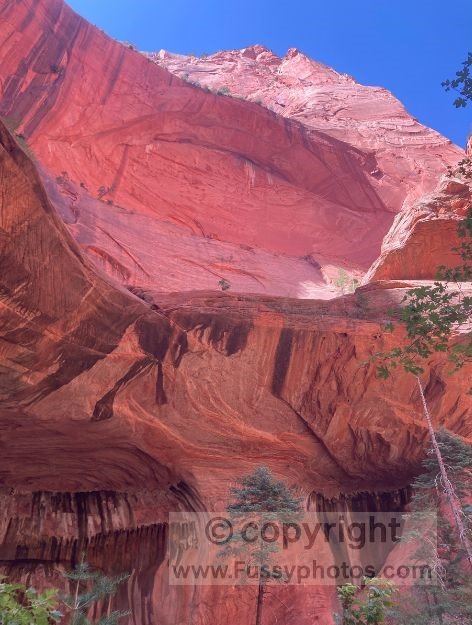
For visitors who want a calmer day from the start, Kolob Canyons offers exactly that. When I spent a day there, hiking the Taylor Creek Trail and Timber Creek Overlook and stopping at the viewpoints along the way, it felt like a completely different park — quieter, slower, less dramatic but still beautiful. The Taylor Creek Trail is a 5‑mile out‑and‑back following the Middle Fork Taylor Creek to a steep, spectacular alcove, and it’s one of the district’s standout hikes. Some of the trails are longer and the area sits farther from Springdale, which is why it’s usually better suited to returning visitors who still crave Zion’s red‑rock scenery rather than first‑timers.
Which area is best for families?
Zion Canyon is the best area for families, mainly because it’s the easiest part of the park to navigate and has the widest range of short, rewarding stops. The Zion Canyon Shuttle removes the stress of parking, and simply riding it up the Zion Scenic Drive is a fun, low‑effort way for kids to see the canyon’s huge walls.
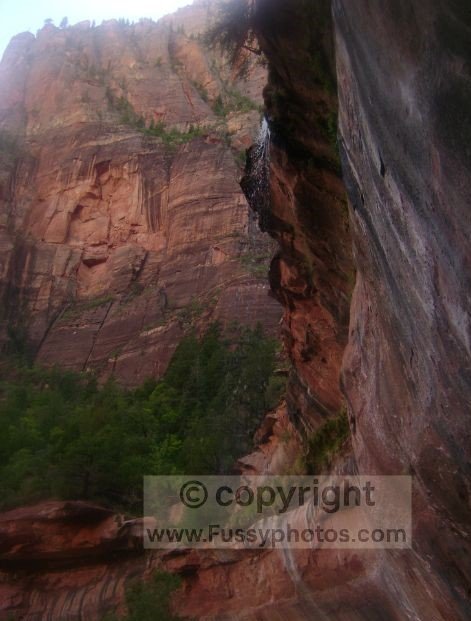
For quick, family‑friendly stops, Weeping Rock is ideal — the steep canyon walls and trees create natural shade, and the short walk gives you a cool, misty break on hot days.
The Riverside Walk is another good option, especially if you want to dip your feet in the Virgin River and let kids splash around at the edges (conditions vary, so always check current guidance before entering the water).
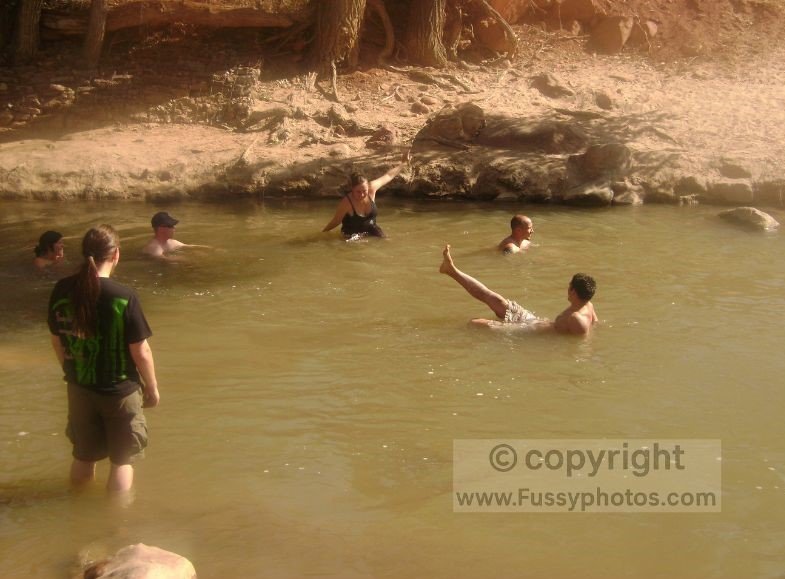
Many families also enjoy the early section of The Narrows, where you can walk the Riverside Walk and then wade a short distance into the river without committing to the full hike. Angels Landing is also popular with families, but it’s generally better suited to older kids — only if you’re confident in their head for heights and you’re stopping at Scout Lookout rather than attempting the chained section.
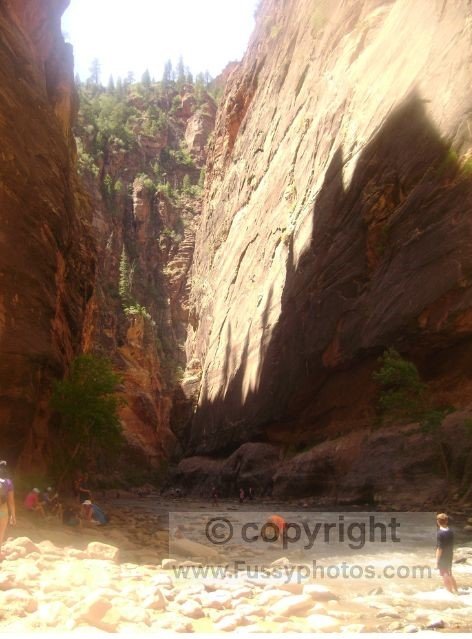
Springdale also makes Zion Canyon easier for families: it’s right next to the Zion Canyon Visitor Center, with plenty of places to eat, cool off, and stay if you need air‑conditioning or a midday break. The visitor center often hosts short ranger talks, which can be a nice way for kids to learn about the park without committing to a long hike.
The East Side can work for families who want something quieter, but most trails here involve slickrock and route‑finding. It’s beautiful, but less structured and less shaded than the main canyon — better suited to families with adventurous children who enjoy exploring open slickrock and following general paths rather than defined trails.
Kolob Canyons is generally the least family‑friendly area. The trails are longer, the district is farther from Springdale, and the creeks often have cyanobacteria advisories, which limits water play. There are viewpoints and occasional ranger talks at the Kolob Canyons Visitor Center, but overall it’s better suited to older kids or returning visitors.
In short:
- Zion Canyon → best for families: easy logistics, shade, short walks, shuttle access, Virgin River play, Springdale nearby
- East Side → quieter but more rugged; good for confident walkers
- Kolob Canyons → scenic but less suited to young families
Which area is best for photography?
Zion Canyon is the best area for classic, first‑time photography: towering walls, reflected light, the Virgin River, and iconic viewpoints like Angels Landing and the mouth of The Narrows. Light changes quickly here, and the canyon’s depth creates dramatic contrasts that reward patient shooters.
The East Side is ideal for photographers who prefer open landscapes, clean sandstone lines, and big‑sky compositions. The mix of slickrock, pines, and rolling domes gives you far more freedom to roam and frame shots without crowds or canyon‑wall limitations.
Kolob Canyons offers the most solitude and some of the park’s richest reds, especially along the Taylor Creek Trail and at the Timber Creek Overlook. It’s less convenient to reach, but the combination of quiet trails and huge sandstone fins makes it a rewarding choice for photographers who want something more atmospheric and less photographed.
Which area is best for summer heat?
For summer heat, the coolest conditions are usually found away from the canyon floor. The East Side and Kolob Canyons sit higher and often feel breezier, especially in the mornings and late afternoons. By contrast, the depth of Zion Canyon traps heat, and even short trails can feel intense on hot days.
That said, Zion Canyon does offer one major advantage in extreme heat: easy access to the Virgin River and the shaded, water‑cooled start of The Narrows, where you can dip your feet or wade a short distance to cool off.
You notice the shift in temperature as soon as you move into higher elevations — when I took a taxi from Springdale up to Kolob Canyons for my Zion Traverse trip, the steady ascent was unmistakable, a clear reminder of how much higher this part of the park sits compared to Zion Canyon.
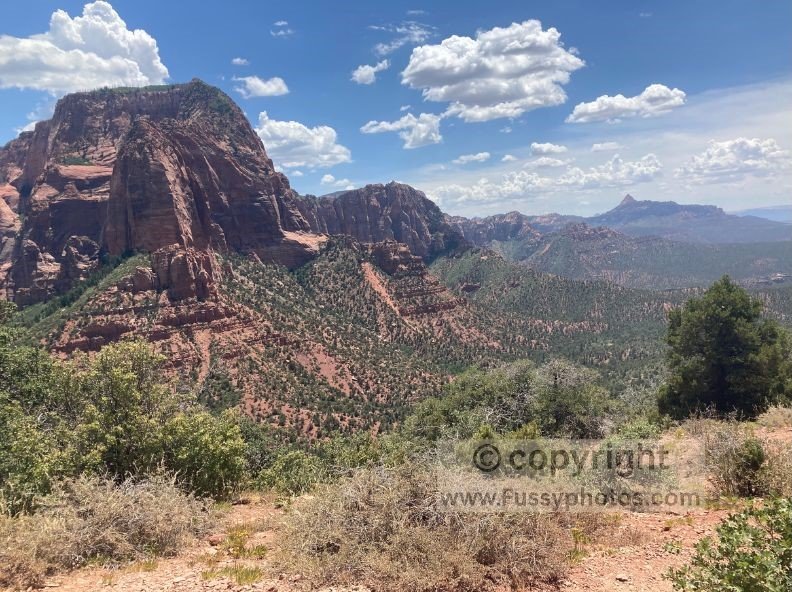
If you’re planning the Zion Traverse, you may also find my How Best to Unlock Zion Traverse to Angel’s Landing write‑up helpful, as it offers a first‑hand look at the route and what the experience is really like.
Which area is best for avoiding crowds?
Given its excellent access, proximity to Springdale, and bucket‑list hikes, Zion Canyon is inevitably busy. If you prefer a calmer experience, the East Side slickrock, La Verkin Creek, and shorter walks near the east entrance offer beautiful alternatives without the same crowds or intensity. Kolob Canyons is the quietest of all — when I spent a summer day up there, I saw fewer than a dozen people — making it a great choice if you want big scenery with far more breathing room.
Which area is best for backpackers?
All three areas offer backcountry access. The West Rim Trail (bottom‑up) is an out‑and‑back backpacking route, and I outline the pros and cons of this approach (vs. going top‑down from Lava Point) in my West Rim Trail: Top Down vs. Bottom‑Up page. This bottom‑up route can also be extended to form an east‑to‑west Zion Traverse hike. Traditionally, the Zion Traverse ended at the East Rim Trailhead, though due to a rockfall the East Rim Trail no longer links to Zion Canyon (the Weeping Rock Trailhead, which connects the two, is closed indefinitely).
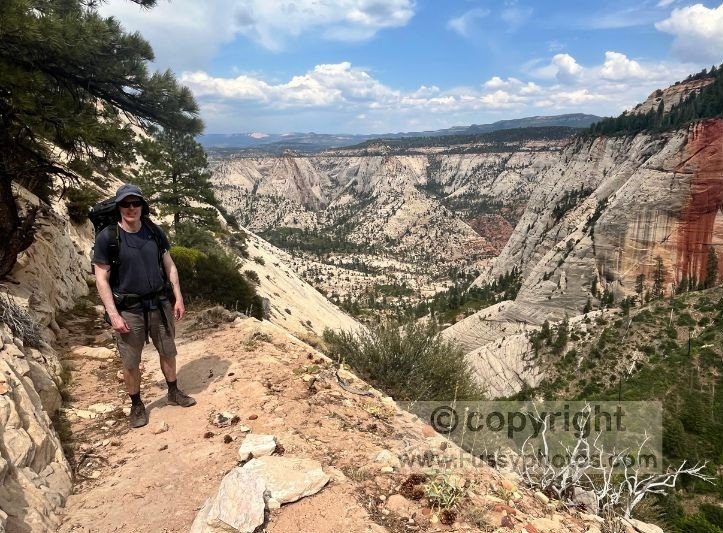
The East Rim Trailhead still provides backcountry access to East Mesa, Deertrap Mountain, and Cable Mountain—areas I haven’t visited yet but plan to one day. If you’re interested in backpacking Zion but unsure how to get started, you may find my Zion Traverse Permit Guide: How to Book Campsites a useful starting point.
Which area is best for one‑day visits?
Zion Canyon is the best choice for a one‑day visit, simply because it delivers the park’s most iconic scenery with the least logistical friction. The shuttle makes it easy to reach trailheads, and you can fit in one headline hike — Angels Landing (to Scout Lookout) or The Narrows (Bottom‑Up) — plus a shorter walk like the Riverside Walk or Emerald Pools.
If you want a quieter day or you’re visiting at peak season, the East Side is an excellent alternative. Trails like the Canyon Overlook Trail or the East Mesa route to Observation Point offer huge views without relying on the shuttle system, and parking is simpler early or late in the day.
Kolob Canyons is the least suited to a one‑day visit unless you specifically want solitude. The scenery is beautiful, but the area sits farther from Springdale and most trails are longer, making it harder to fit into a tight schedule.
Where to Stay Depending on Which Area You’re Exploring
If you’re staying near Zion Canyon, Springdale is the most convenient base. For the East Side, lodging and campgrounds along the Zion–Mount Carmel Highway keep driving times down but Springdale is not far away. For Kolob Canyons or the Zion Traverse, towns like La Verkin, Toquerville, and Cedar City are more practical. For a full breakdown of where to stay around the park, see my Zion National Park: Complete Hiking & Planning Guide
Watch Zion Canyon vs Kolob Canyons: Which Area Should You Explore?
Here’s a short video comparing Zion Canyon and Kolob Canyons to help you choose the right area for your visit.

Zion Canyon vs Kolob Canyons vs East Side FAQs
Is it possible to visit all three areas in one trip?
Yes — many visitors combine Zion Canyon, the East Side, and Kolob Canyons over a 2–3 day trip. The key is planning your days around shuttle timing, driving distances, and the type of hikes you want to prioritize.
Do I need a reservation or permit to visit any of these areas?
You don’t need a reservation to enter any of the three districts, but certain hikes — like Angels Landing — require a permit. To camp on backcountry routes such as the Zion Traverse also requires a permit.
Can I drive my own car into Zion Canyon?
For most of the year, private vehicles are not allowed on the Zion Canyon Scenic Drive, and you must use the Zion Canyon Shuttle. The East Side and Kolob Canyons remain fully drivable year‑round.
Is Kolob Canyons worth visiting if I’ve already seen Zion Canyon?
Absolutely. Kolob Canyons offers a very different feel from the main canyon. It’s especially rewarding for hikers who want solitude.
Are there services (food, gas, lodging) in Kolob Canyons?
No — there are no services inside Kolob Canyons. The nearest towns are La Verkin, Toquerville, and Cedar City, all outside the park.
Which area is best if I want to avoid the heat?
Higher elevations in the East Side and Kolob Canyons are typically cooler than the canyon floor. Zion Canyon is hottest but offers river access for cooling off.
How long does it take to drive between the three areas?
- Zion Canyon → East Side: ~20–35 minutes
- Zion Canyon → Kolob Canyons: ~60 minutes
- East Side → Kolob Canyons: ~75+ minutes
How does Zion compare to Capitol Reef?
Zion and Capitol Reef offer two very different desert experiences. If you’re deciding which park fits your style, my full comparison — Zion vs Capitol Reef: Which Park Should You Visit? — breaks down scenery, crowds, hiking style, and overall feel.