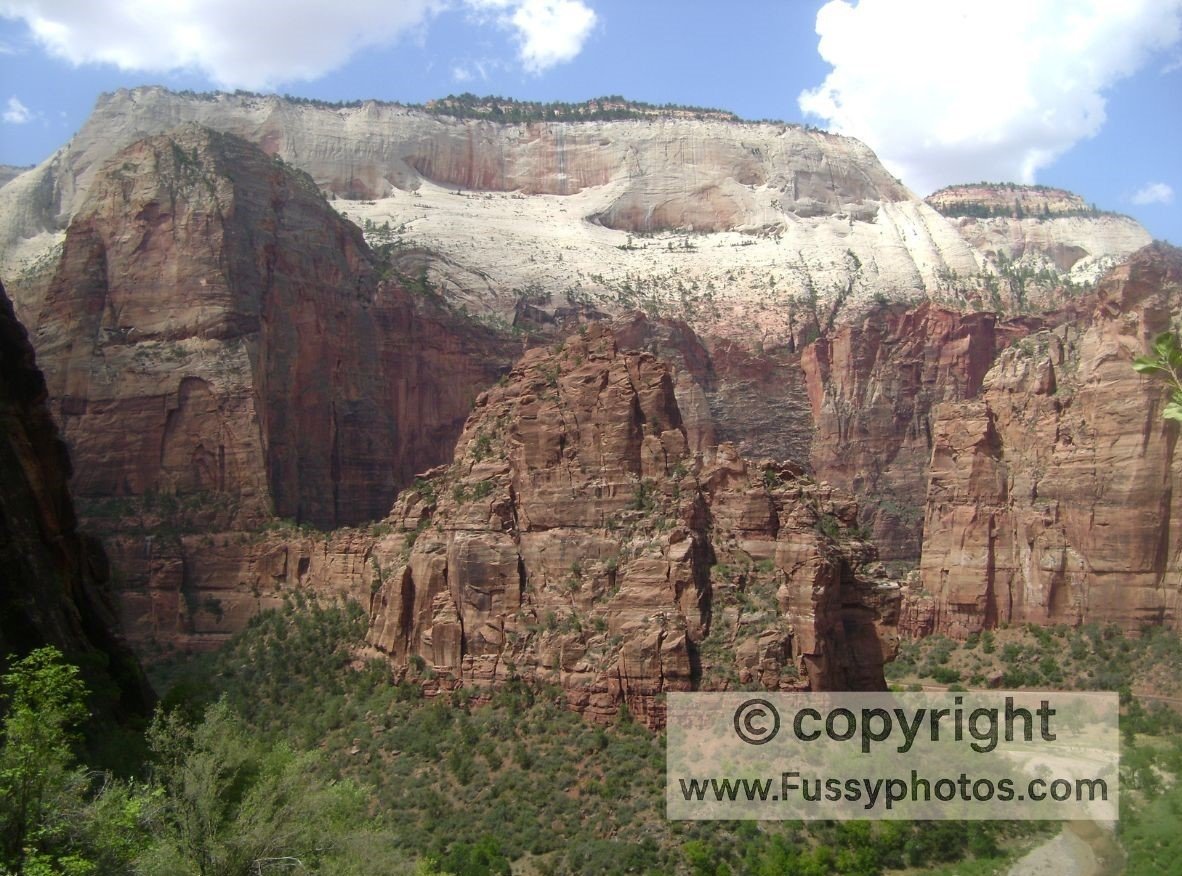
Capitol Reef and Zion are two of my favorite national parks. Both exude the classic Utah red rock and dramatic canyon scenery, but they’re very different parks in other ways. To many, Capitol Reef is a quick stop on Scenic Utah 24, separating Zion and Bryce from Canyonlands and Arches National Parks on a Utah Mighty 5 road trip. But I rate it more highly than this — a park worthy of more time. The Scenic Drive through the park is stunning and part of the bigger appeal, but there’s great merit in venturing further from your car than the viewpoints and Visitor Center along the road. It’s a unique blend of human history, canyons, buttes, and washes, and though the park extends for approximately 60 miles north to south, even just visiting the thin northern section around Fruita deserves more than a few hours. Many of its charms and much of the glorious scenery are only visible from the trail, though there’s plenty for non‑hikers to enjoy too.
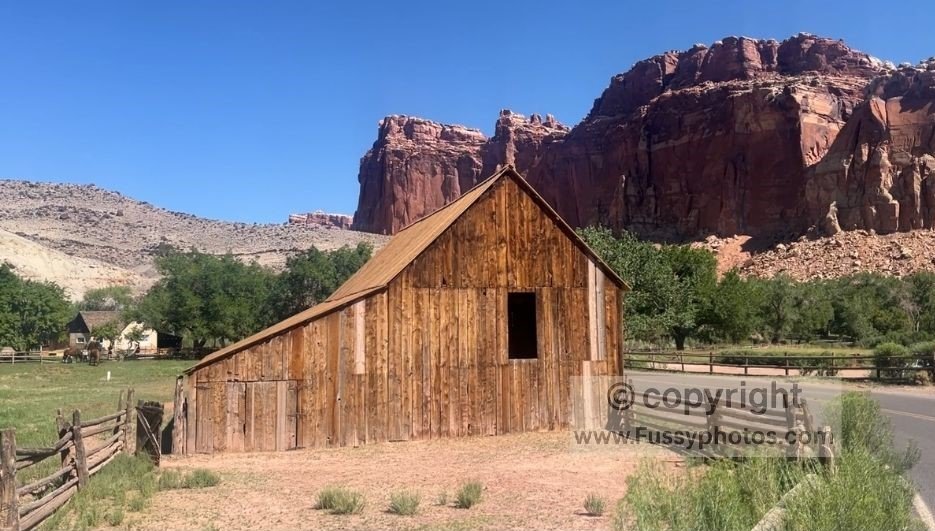
Zion is equally beautiful but at times more dramatic — busier, steeper, also split into three sections, and has a more commercial, high‑traffic feel, reflecting the presence of nearby Springdale, the mass appeal and fame of the park, and the shuttle system that Capitol Reef lacks.
Because they offer such different experiences — from crowds and logistics to scenery and hiking style — it’s worth comparing them directly to help you choose the right park for your trip.
Which Park Is Better for First‑Time Visitors?
Zion and Capitol Reef both deliver classic Utah red‑rock scenery, but they offer very different first‑time experiences.
Zion is the more dramatic park on arrival — towering vertical canyon walls, the Virgin River bringing sound and colour to the canyon, and famous trails like Angels Landing and The Narrows easily accessed from the shuttle along the Zion Canyon Scenic Drive. It’s also busier, more structured, and more commercial, with Springdale right at the southern entrance and a shuttle system that shapes how you explore the canyon (see my Zion National Park: Complete Hiking & Planning Guide).
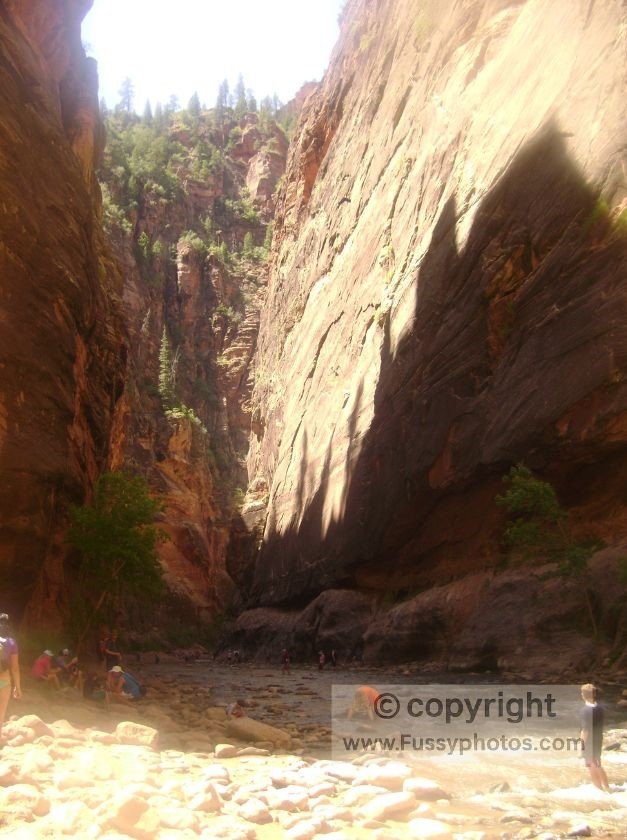
Capitol Reef, by contrast, is quieter, calmer and feels more open. Fruita’s orchards, the Scenic Drive, and the Waterpocket Fold offer a slower, more exploratory experience. It’s easier to find solitude, and the park feels more personal. There are less “headline” hikes (though they are equally impressive whilst offering different experiences) and with the lack of a shuttle, there’s more driving between highlights. For a deeper sense of why the park is so underrated — and why it rewards more than a quick stop — see Why You Should Visit Capitol Reef: Utah’s Most Underrated Park.
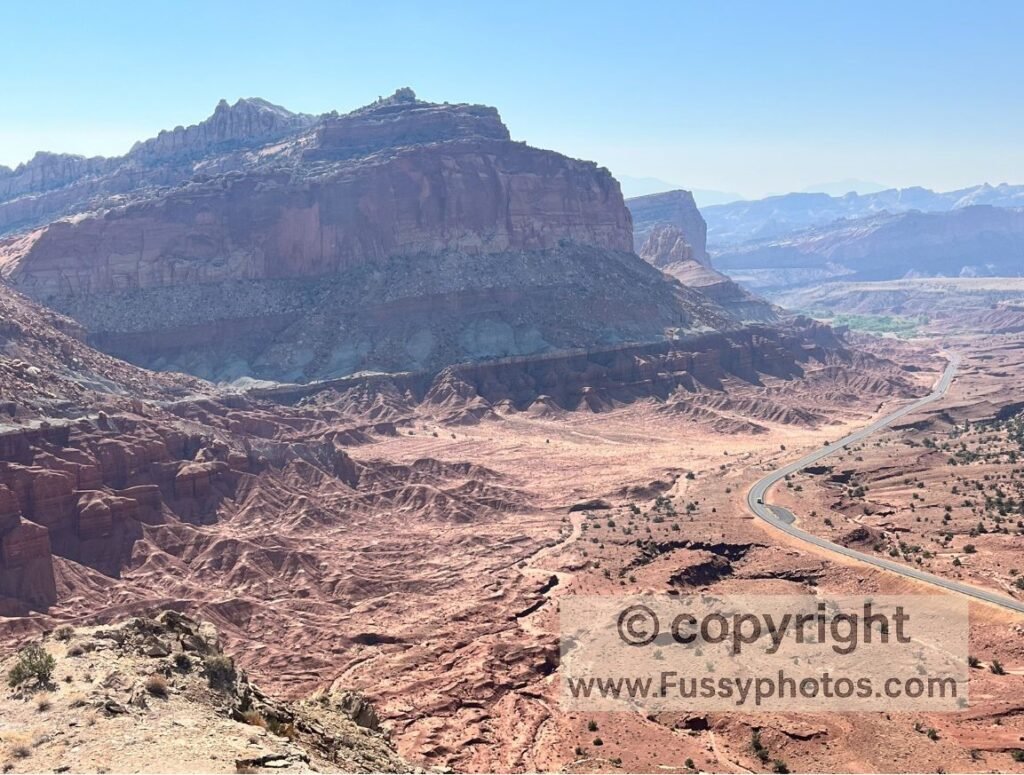
The simplest way to decide
- If you want iconic, dramatic scenery and a big first impression → Zion
- If you want a quieter, more relaxed introduction to Utah’s canyon country → Capitol Reef
Both are excellent, but they serve different kinds of first‑time trips.
Which Park Is Better for Hiking?
Zion and Capitol Reef both offer world‑class hiking, but the experience in each park is so different that most visitors quickly develop a clear preference. Zion delivers steep, dramatic canyon routes with big vertical gain and famous bucket‑list trails. Capitol Reef offers quieter, more exploratory hiking through domes, washes, and canyons where solitude is part of the appeal.
Hikes for First‑Time Visitors
Zion is home to two of the most iconic hikes in the United States: Angels Landing and The Narrows. Angels Landing delivers the classic Zion experience — big climbs, narrow ledges, and airy exposure — while The Narrows offers a completely different kind of adventure, wading through a deep river‑carved slot canyon.
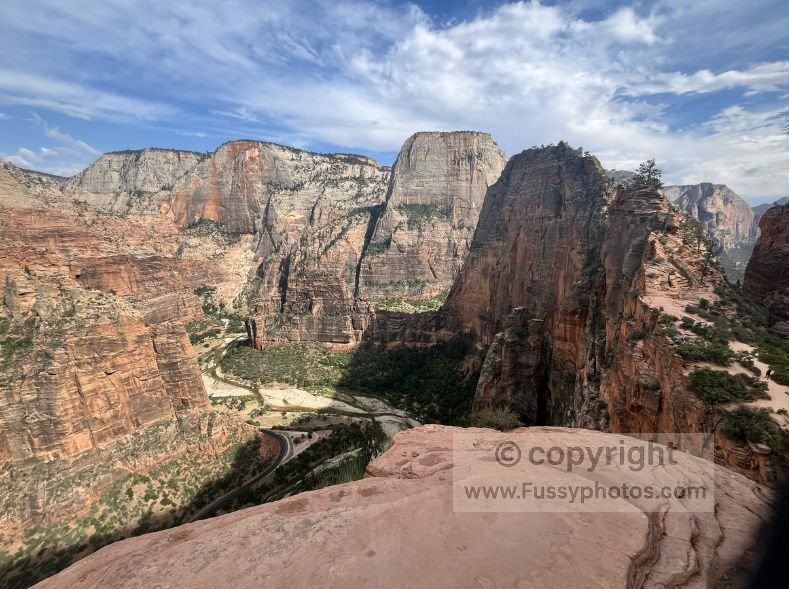
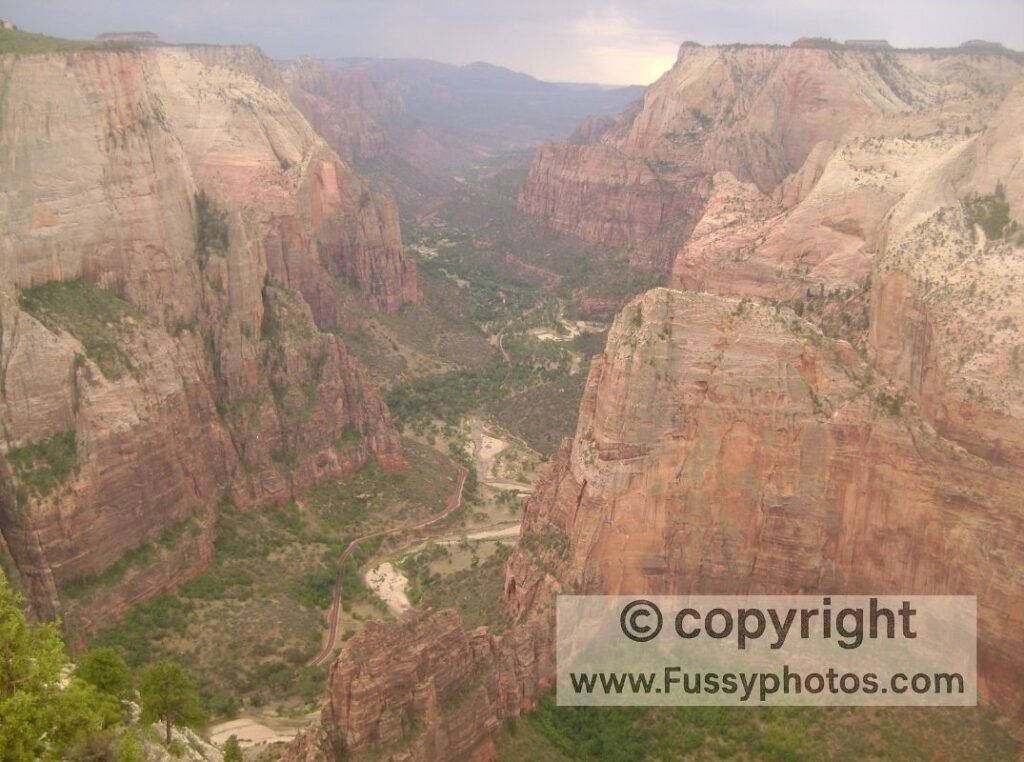
Observation Point (via East Mesa Trail) remains one of the best high viewpoints in the park and is a strong alternative for those avoiding exposure — see my detailed Observation Point guide for the full route and views.
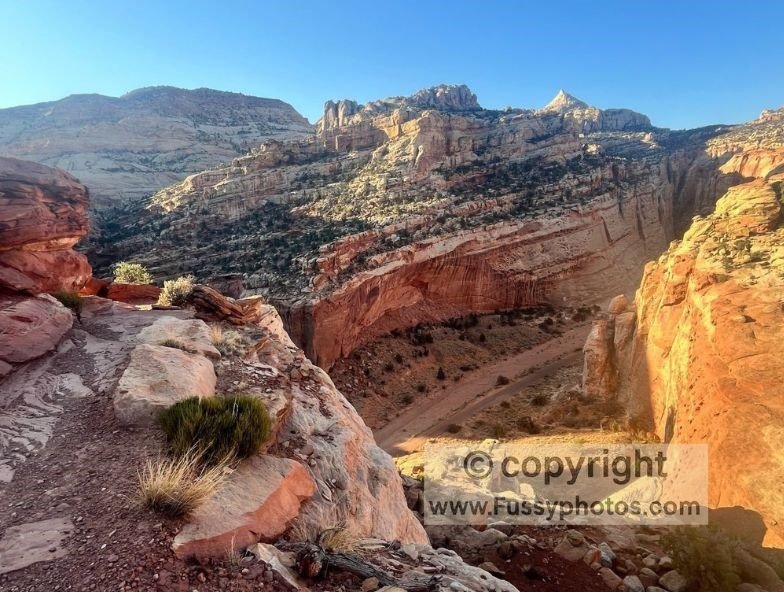
Capitol Reef offers a different style of first‑time hiking. Hickman Bridge, Cohab Canyon, Cassidy Arch, and Grand Wash provide a mix of canyon narrows, slickrock domes, and wide‑open views. Cassidy Arch is the only trail here that matches Zion’s exposure and steepness; the others offer a gentler, more exploratory feel.
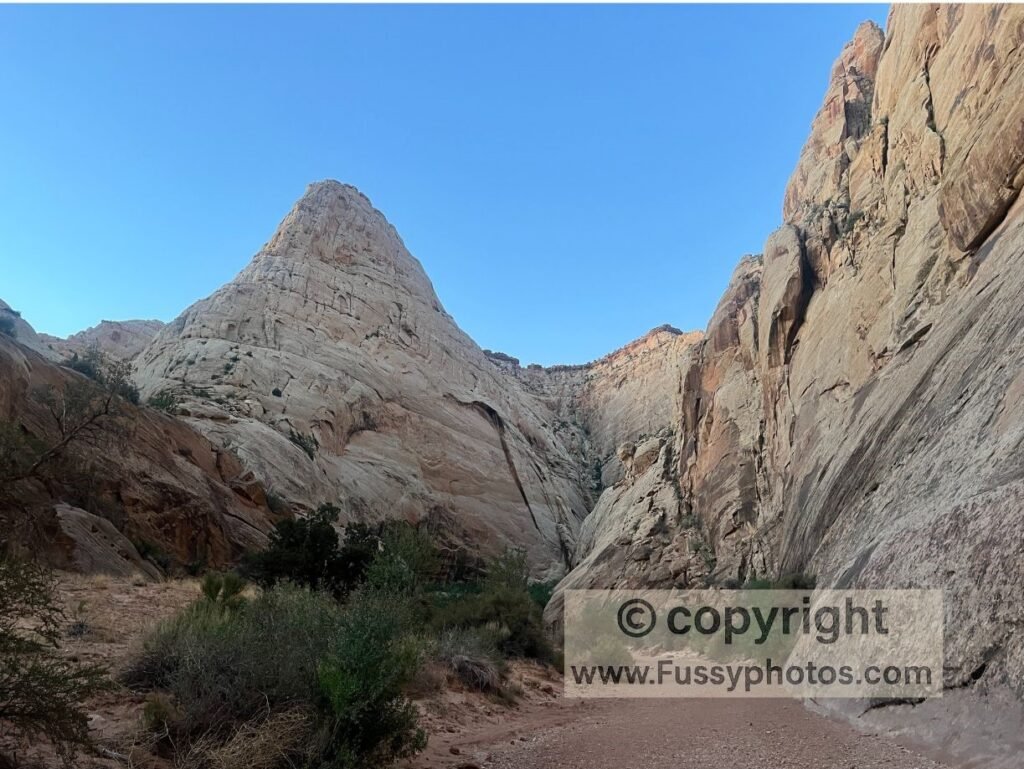
Grand Wash delivers tall canyon walls reminiscent of Zion, though lighter in colour (without the iconic red rock) and not as towering but still a fantastic hike.
For a full breakdown of Capitol Reef’s top trails, see my guide: Best Day Hikes in Capitol Reef (Ranked + Categorised).
Summary:
- Zion = dramatic, iconic, steep, instantly memorable
- Capitol Reef = quieter, varied, scenic
Hikes for Solitude
Solitude is increasingly rare in Zion Canyon, especially on the shuttle‑served trails — but it’s not impossible (see below Which Park Is Better for Avoiding Crowds? for more on how to find quiet corners of Zion).
The best places for quieter hiking in Zion are Kolob Canyons (Taylor Creek, La Verkin Creek), the East Side, and the upper sections of the West Rim beyond Scout Lookout — and if you want a deeper breakdown of how these districts differ, see my Zion Canyon vs Kolob Canyons vs East Side guide. These areas feel dramatically different from Zion Canyon and are often explored by people returning to the park for a second or third visit.
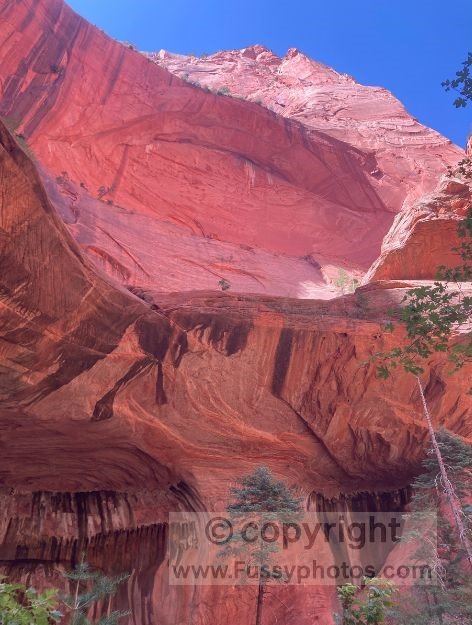
In Capitol Reef, solitude is the norm rather than the exception. Even popular trails thin out quickly, and longer routes like Lower Spring Canyon feel remote and immersive. Even around Fruita — the busiest part of the park — it’s possible to find quiet stretches by linking trails into loops.

Summary:
- Zion = solitude exists, but you need to know where to look
- Capitol Reef = solitude is easy to find, even near Fruita
Which Park Is Better for Backpacking?
Zion has a well‑defined set of classic backpacking routes:
- Zion Traverse (multi‑day, crosses the entire park)
- West Rim Trail (top‑down or bottom‑up; see my West Rim Trail: Top Down vs Bottom‑Up guide)
- La Verkin Creek (Kolob Canyons; access to Kolob Arch)
- East Rim Trail to Observation Point, Cable Mountain, and Deertrap Mountain — long, scenic, and excellent for an overnight backcountry trip
These routes offer dramatic scenery and clear, established itineraries, but they also require permits — see my Zion Traverse Permit Guide: How to Book Campsites — and not all of them have designated campsites. The West Rim has specific camping zones; La Verkin Creek has established sites; but the East Rim and Wildcat Canyon sections do not. Water availability is also a major planning factor, especially outside the main canyons — my How to Plan a Safe Zion Traverse Water Strategy guide explains what to expect and how to prepare.
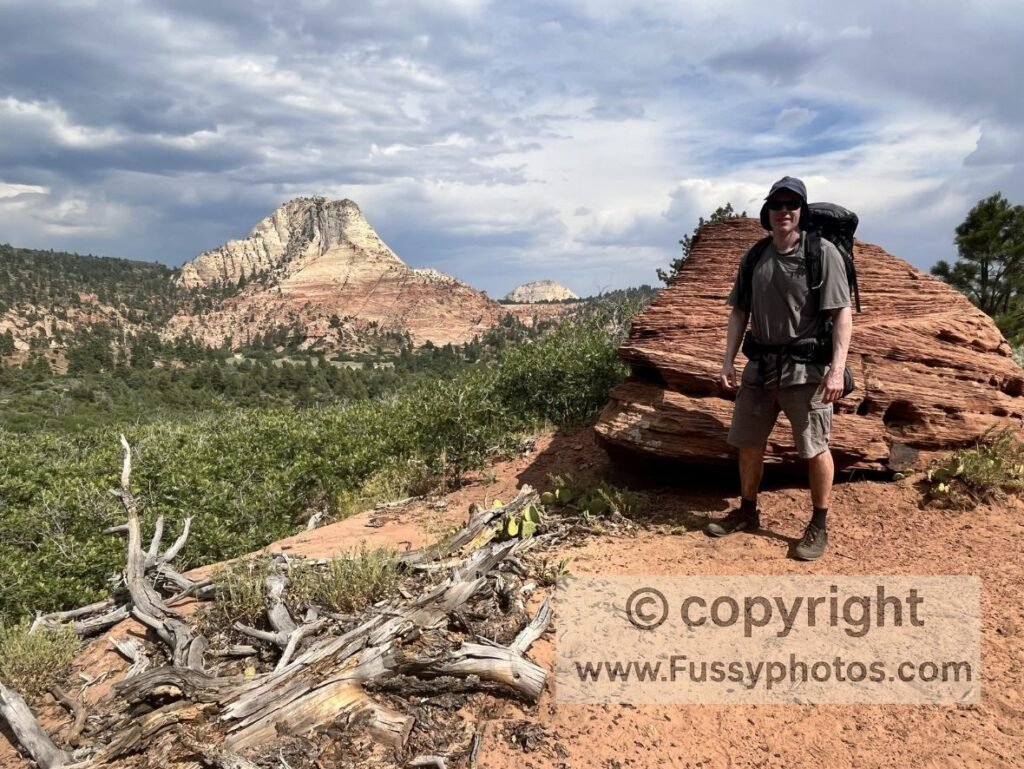
Capitol Reef offers a very different backpacking experience. The Waterpocket Fold region is remote, rugged, and spectacular — a place I haven’t yet hiked but hope to soon. Around Fruita, I’ve created a 2‑day Capitol Reef loop that links the best trails into a single circuit, removing the need for out‑and‑back miles and finding solitude even in the busiest part of the park. Capitol Reef’s backcountry is less structured than Zion’s, with fewer designated campsites and far more freedom to explore.
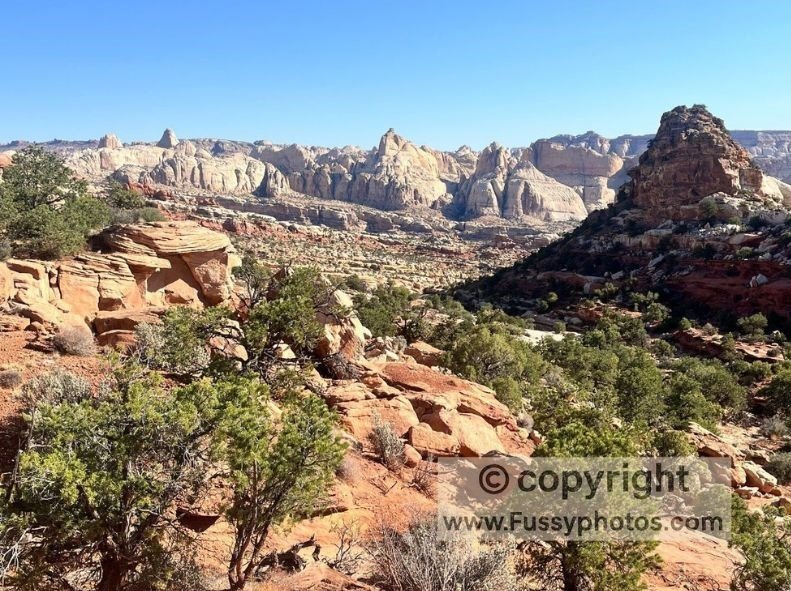
Summary:
- Zion = dramatic scenery, defined routes, structured itineraries, but not all trails have designated campsites
- Capitol Reef = remote desert solitude, flexible routes, fewer people, more freedom
Which Park Is Better for Avoiding Crowds?
Zion is one of the most visited national parks in the United States. Annual visitation has risen from around 2.6 million to a peak of over 5 million — an increase of roughly 90% (NPS). By contrast, Capitol Reef receives about 1.4 million visitors per year, and those visitors are spread across a much larger, more open landscape. On paper, Capitol Reef wins this category easily.
But Zion isn’t uniformly crowded. The shuttle‑served Zion Canyon absorbs the majority of visitors, while the park’s other districts feel dramatically quieter. Kolob Canyons, the East Side, and the upper West Rim offer a very different experience — spacious, peaceful, and often overlooked.
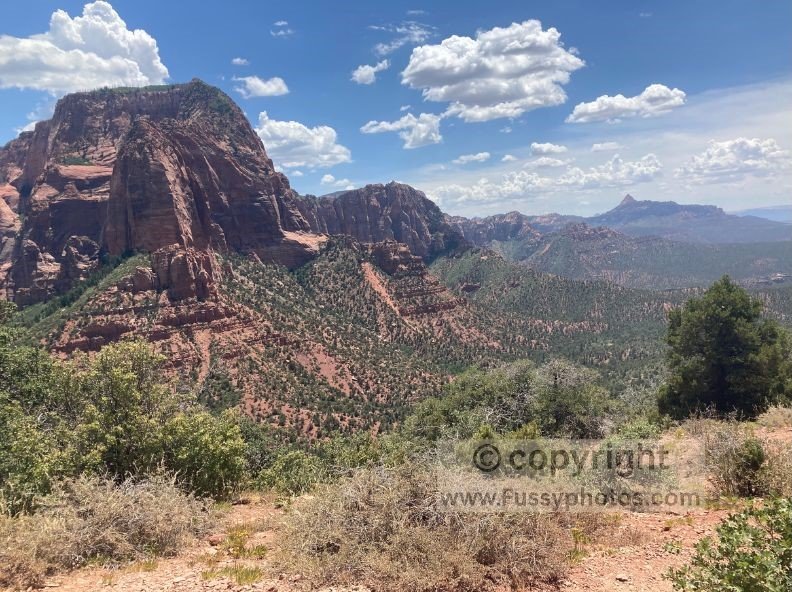
Capitol Reef, meanwhile, offers solitude almost everywhere. Even around Fruita — the busiest part of the park — trails thin out quickly, and longer routes like Lower Spring Canyon or the Waterpocket Fold feel genuinely remote.
Summary:
- Capitol Reef is the clear winner for avoiding crowds.
- Zion can still offer solitude — you just need to know where to go.
Which Park Is Better for Families?
Zion and Capitol Reef both work for families, but they offer very different experiences. Zion is the easier, more structured park with shaded canyon walks, river access, and Springdale right at the entrance. Capitol Reef is quieter and more spacious, with orchards, viewpoints, and short trails around Fruita — but it lacks water play and requires more driving between stops.
Ease of Logistics
Zion is the most family‑friendly park in southern Utah when it comes to logistics. The Zion Canyon Shuttle removes the stress of parking, and simply riding it up the Scenic Drive is a fun, low‑effort way for kids to see the canyon walls. Springdale sits directly outside the entrance, offering food, shade, air‑conditioning, and places to regroup during the heat of the day. Everything is close together, and most family‑friendly walks start from shuttle stops.
Capitol Reef is more spread out. The Fruita area is compact and easy to navigate, but many viewpoints and trailheads require short drives along Highway 24 or the Scenic Drive. Torrey, the nearest town, is farther from the park than Springdale is from Zion Canyon and is much smaller with fewer amenities. Capitol Reef is still manageable for families — just less streamlined.
Family‑Friendly Trails and Activities
Zion has a cluster of short, rewarding walks perfect for families:
- Weeping Rock (shaded, cool, misty)
- Riverside Walk (flat, scenic, great for dipping feet in the Virgin River)
- The early section of The Narrows (fun for kids without committing to the full hike)
- Ranger talks at the Visitor Center
- Springdale for easy breaks, snacks, and cooling off
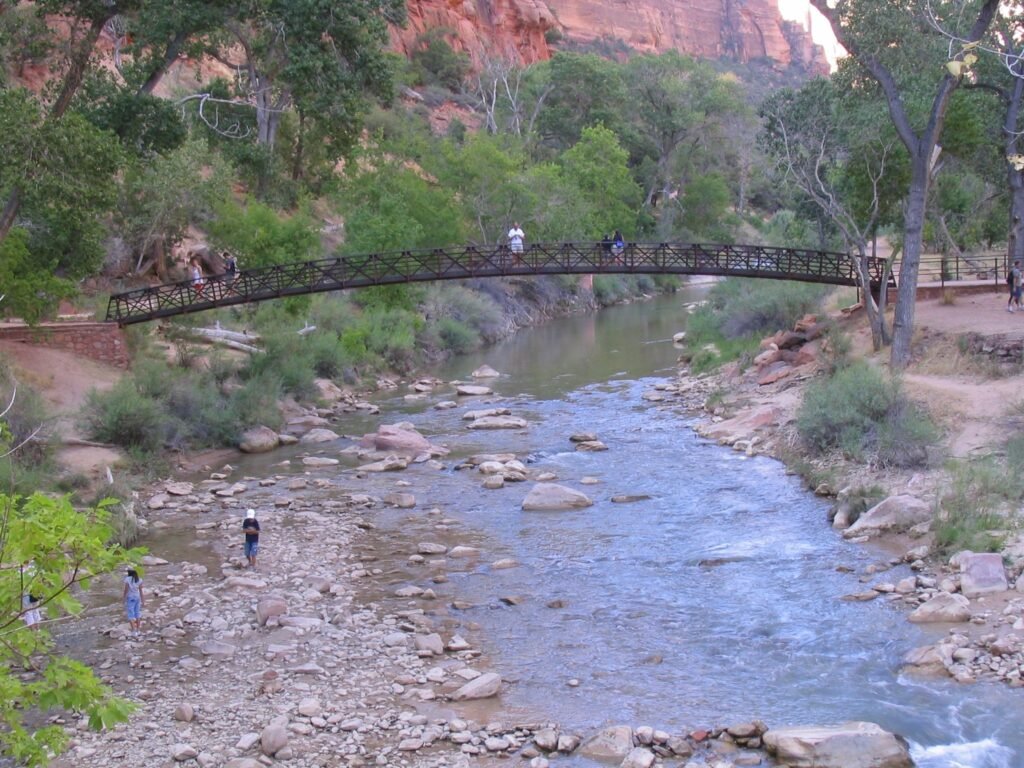
Image: Zion National Park (NPS, public domain)
Capitol Reef offers a quieter but still rewarding set of family‑friendly stops:
- Hickman Bridge (short, scenic, with a natural arch at the end) — and I explain why it’s such a perfect first‑time Capitol Reef hike in Why You Should Visit Capitol Reef: Utah’s Most Underrated Park)
- Goosenecks Viewpoint (dramatic canyon views with minimal walking)
- Petroglyph panels along Highway 24 (easy, educational stop)
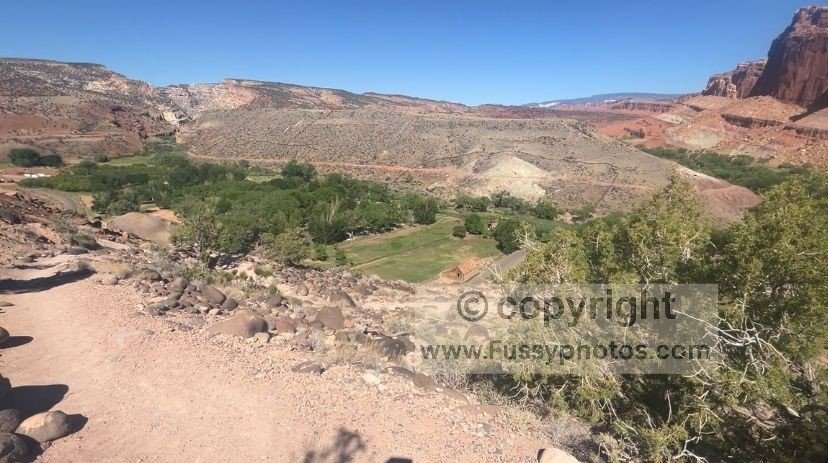
- Fruita orchards (shaded, peaceful, great for wandering)
- Historic Fruita homestead and small Visitor Center
- Scenic Drive pullouts for low‑effort views
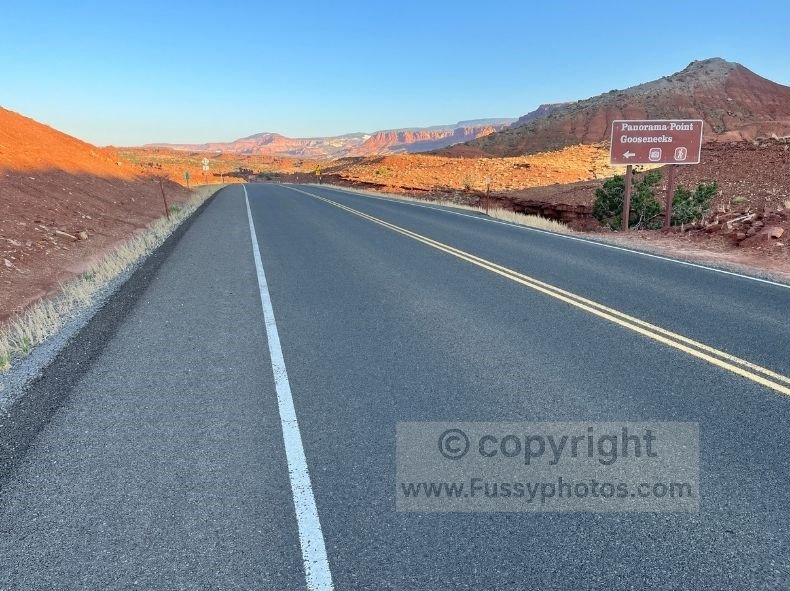
Capitol Reef’s trails are generally less crowded and feel more relaxed, but they lack water access that make Zion Canyon so appealing to families.
Where to Stay
Zion is anchored by Springdale, a walkable town with restaurants, cafés, gear shops, and hotels right outside the park entrance. For families, this proximity is a major advantage — you can take midday breaks, cool off, or grab food without driving far.
Capitol Reef has the beautiful, shaded Fruita Campground, which is one of the most pleasant campgrounds in the national park system. Beyond that, most families stay in Torrey, a small, quiet town about 10 minutes from the park. It’s charming but far less built‑up than Springdale.
Water, Shade, and Summer Heat
Zion generally handles summer heat better for families.
- The Virgin River provides natural cooling and safe places for kids to splash (conditions permitting).
- Zion Canyon’s steep walls create shade throughout the day.
- Many short walks — Weeping Rock, Riverside Walk, early Narrows — stay cool even in summer.
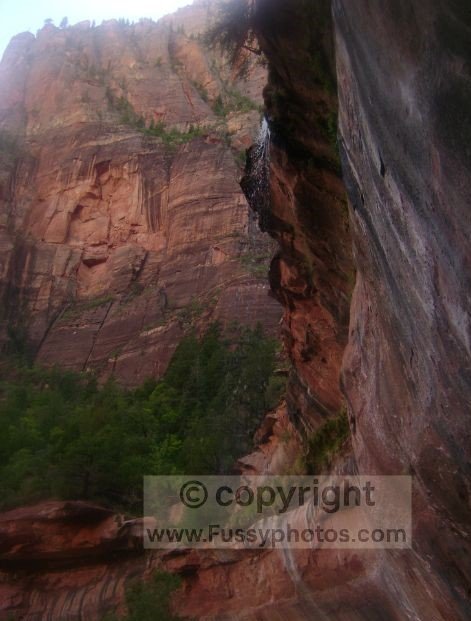
Capitol Reef is hotter and more exposed, but it does offer some relief.
- Families often cool off in the Fremont River near the Fruita Campground — a pleasant, low‑key water spot on hot afternoons.
- Shade is mostly limited to Fruita’s orchards, canyon narrows, or the campground itself.
- Many trails and viewpoints sit in full sun, and the park lacks the deep, shaded canyon microclimates that make Zion more comfortable in summer.
Summary:
- Zion is the more comfortable park for families in summer thanks to canyon shade and the Virgin River.
- Capitol Reef has the Fremont River and shaded areas in Fruita, but overall offers less natural cooling and more exposed terrain.
Which Park Is Better for a One‑Day Visit?
Both parks work well for a single‑day visit, but they offer very different styles of “quick‑hit” sightseeing.
Zion: Iconic Scenery in a Compact Area
Zion Canyon is the easiest part of the park to explore in a single day. The shuttle removes parking stress, and you can pair one headline hike — Angels Landing (to Scout Lookout), The Narrows (Bottom‑Up), or Observation Point via East Mesa — with a shorter walk like the Riverside Walk or Emerald Pools. Everything is close together, and Springdale makes midday breaks effortless.
If you want something quieter or you’re visiting at peak season, the East Side is an excellent alternative. Trails like Canyon Overlook or the East Mesa route to Observation Point offer huge views without relying on the shuttle.
Kolob Canyons also works for a one‑day visit, but it delivers a different kind of day — quieter, farther from Springdale, and built around longer half‑day trails like Taylor Creek or La Verkin Creek. It’s ideal if solitude is your priority, but less convenient if you want quick, high‑impact stops.
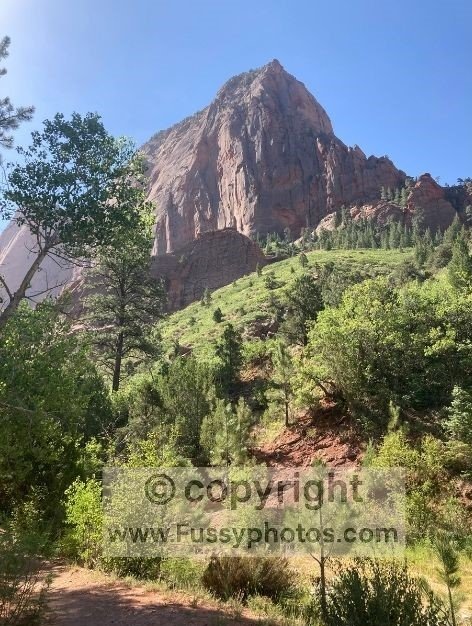
For a full breakdown of how Zion’s three districts compare for one‑day visits, see my Zion Canyon vs Kolob Canyons vs East Side guide.
Capitol Reef: A Quieter, More Flexible One‑Day Experience
Capitol Reef is often visited in a single day — sometimes only for an hour or two — which means many people barely see the park. But with a bit of planning, a one‑day visit can be fantastic.
A classic day combines:
- One short hike (Hickman Bridge, Cassidy Arch, or Grand Wash)
- The Scenic Drive for easy viewpoints
- Fruita for orchards, history, shade, and a relaxed midday break
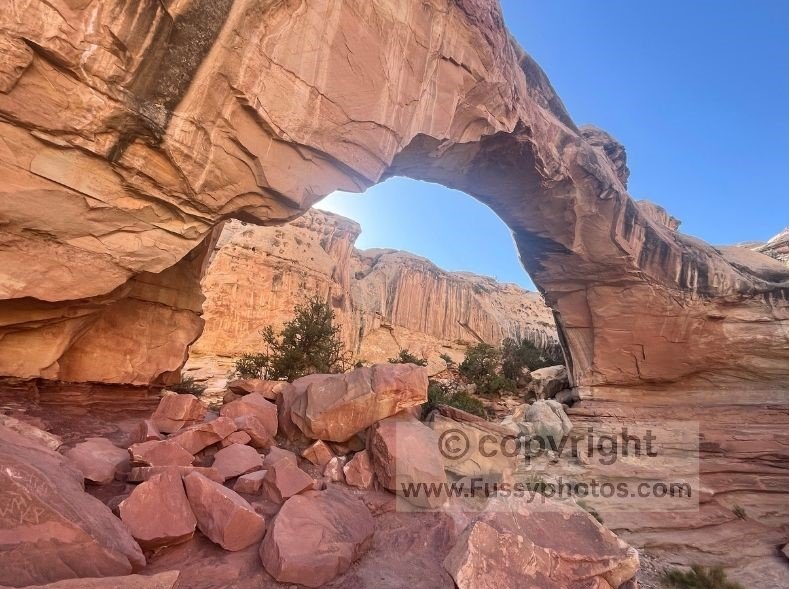
It’s more spread out than Zion, and you’ll do more driving, but the pace is calmer and the trails are far less crowded.
For a detailed, hour‑by‑hour plan, see my Capitol Reef One Day Itinerary.
Summary
Zion offers a concentrated, high‑impact one‑day experience with iconic scenery and easy logistics.
Capitol Reef offers a quieter, more flexible day built around one hike, the Scenic Drive, and Fruita.
How to Combine Zion and Capitol Reef
Zion and Capitol Reef pair beautifully on a short Utah road trip. They sit on the same east–west corridor, and the drive between them is one of the most scenic in the Southwest. Most travellers combine them in 1–3 days, depending on how much hiking they want to do.
Suggested Time Splits
Option A: 1 Day Each (Fast but Doable)
Day 1: Zion — one headline hike + shuttle sightseeing
Day 2: Capitol Reef — one short hike + Scenic Drive + Fruita
Option B: 2 Days Zion + 1 Day Capitol Reef
A great balance if you want one big Zion hike and time to explore Fruita and the Scenic Drive in Capitol Reef.
- Day 1: Zion Canyon (Angels Landing to Scout Lookout, The Narrows, or Observation Point via East Mesa)
- Day 2: Zion East Side or Kolob Canyons
- Day 3: Capitol Reef (Hickman Bridge or Cassidy Arch + Fruita + Scenic Drive)
Why Bryce Canyon Fits Naturally Into the Route
If you’re driving between Zion and Capitol Reef, you’ll pass right by Bryce Canyon.
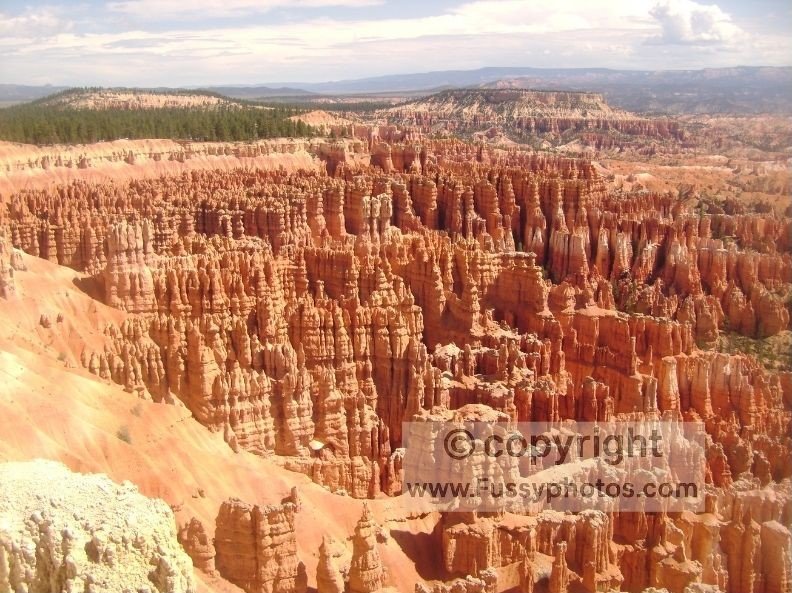
Even a short stop at Sunrise Point, Sunset Point, or the Rim Trail gives you a completely different landscape without adding major detours.
Orientation: Distances Between the Parks
A quick geography snapshot helps everything click into place:
- Zion → Bryce Canyon: ~1 hr 20 min
- Bryce Canyon → Capitol Reef: ~2 hr 10 min
- Zion → Capitol Reef (direct): ~3 hr 30 min
This is why Bryce Canyon National Park slots so neatly between the two parks — it’s a natural break in the drive rather than a detour, and the hoodoos deliver world‑class scenery in a landscape that feels completely different from either Zion or Capitol Reef.
Zion vs Capitol Reef FAQs
Is Capitol Reef worth visiting, or should I spend more time in Zion?
Capitol Reef is absolutely worth visiting — especially if you value quieter trails, open scenery, and a slower pace. Zion delivers the bigger “wow” moments, but Capitol Reef offers space, solitude, and a very different style of canyon country. If you only have one day per park, both work well; if you have more total days, dividing them between the two gives you two distinct experiences rather than doubling down on one style of landscape.
How should I divide a short trip between Zion, Bryce Canyon, and Capitol Reef?
For a 3‑day loop, many travellers do Zion → Bryce Canyon → Capitol Reef, spending one day in each. Zion rewards early starts and one headline hike; Bryce Canyon is compact and easy to see in a few hours; Capitol Reef offers a quieter day built around one hike and the Scenic Drive. If you have extra time, Zion benefits most from a second day.
Should I add Capitol Reef to my itinerary, or is it skippable?
Capitol Reef is often rushed or skipped, but it shouldn’t be. Even a single day gives you Fruita, Hickman Bridge, Grand Wash, and the Scenic Drive — all very different from Zion or Bryce Canyon. If you’re already driving Utah Scenic Byway 12, adding Capitol Reef requires no detour.
Which park is better for families or mixed‑ability groups?
Zion is easier for families thanks to the Zion Canyon Shuttle, shaded canyon walks, and the Virgin River. It also has more short trails clustered off the Zion Canyon Scenic Drive, which makes it simple to build a relaxed day without long drives or complex logistics. Capitol Reef works well too — especially around Fruita — but involves more driving between stops. For multi‑generational groups, both parks offer short, low‑effort viewpoints and gentle trails.
Which park has better short hikes?
Zion has the famous short routes (Riverside Walk, Canyon Overlook, the early section of The Narrows), while Capitol Reef offers quieter alternatives like Hickman Bridge, Grand Wash, and Goosenecks Overlook. Zion’s short hikes feel more dramatic; Capitol Reef’s feel more peaceful.
If I only have one day, which park should I choose?
It depends on the experience you want. Zion offers a concentrated, high‑impact day with iconic scenery and shuttle access. Capitol Reef offers a calmer, more flexible day built around one hike and the Scenic Drive. Neither is “better” — they simply deliver different kinds of days.
Is it realistic to visit Zion, Bryce Canyon, and Capitol Reef in one trip?
Yes — many travellers do exactly this. The parks line up naturally along the same corridor, and the drives are short:
- Zion → Bryce Canyon: ~1 hr 20 min
- Bryce Canyon → Capitol Reef: ~2 hr 10 min
- Zion → Capitol Reef (direct): ~3 hr 30 min
Are Zion and Capitol Reef too hot to visit in summer?
Both parks are hot in summer, but Zion Canyon has more shade and Virgin River access. Capitol Reef is more exposed, though Fruita and the Fremont River offer pockets of relief. Early starts are essential in both parks, and midday is best spent on scenic drives or shaded stops.
Which park is better for avoiding crowds?
Capitol Reef is quieter almost everywhere, even in peak season. Zion Canyon is busy, but the East Side, Kolob Canyons, and the upper West Rim offer genuine solitude. If avoiding crowds is your priority, Capitol Reef wins — but Zion has quiet corners if you know where to look.
What’s the best way to combine Zion and Capitol Reef on a road trip?
.It depends on your direction of travel. If you’re heading west → east, a simple, logical plan is:
- Day 1: Zion Canyon
- Day 2: Zion East Side or Bryce Canyon (which sits naturally on the route)
- Day 3: Capitol Reef (Fruita + one hike + the Scenic Drive)
If you have more time, you can expand this into a 5‑day loop by adding Kolob Canyons and giving Bryce Canyon a full day:
- Day 1: Zion Canyon
- Day 2: Kolob Canyons
- Day 3: Zion East Side
- Day 4: Bryce Canyon
- Day 5: Capitol Reef
Bryce Canyon slots naturally between Zion and Capitol Reef, adding a completely different landscape without requiring a detour.