I’ve hiked the Grand Canyon’s South Kaibab Trail four times, each time preparing better, learning from previous mistakes, and eventually reaching the Colorado River on my last two trips before returning up the Bright Angel Trail. I’ve gone from hiking with zero preparation to planning rigorously, and I’ve seen other hikers do things that made me shake my head and wince.
How Hard Is Hiking in the Grand Canyon?
Surely the hardest place to hike in the US, the Grand Canyon combines extreme heat, exposure, steep trails, and a unique challenge: Unlike mountain hikes, where you climb first while you’re fresh, the canyon reverses the effort: you descend easily, then face the hardest work at the end of the day. The elevation gain from the river is enormous — 4,500 feet on Bright Angel Trail, 4,700 feet on South Kaibab Trail, and 5,700 feet on North Kaibab Trail — and the heat intensifies as you go deeper.
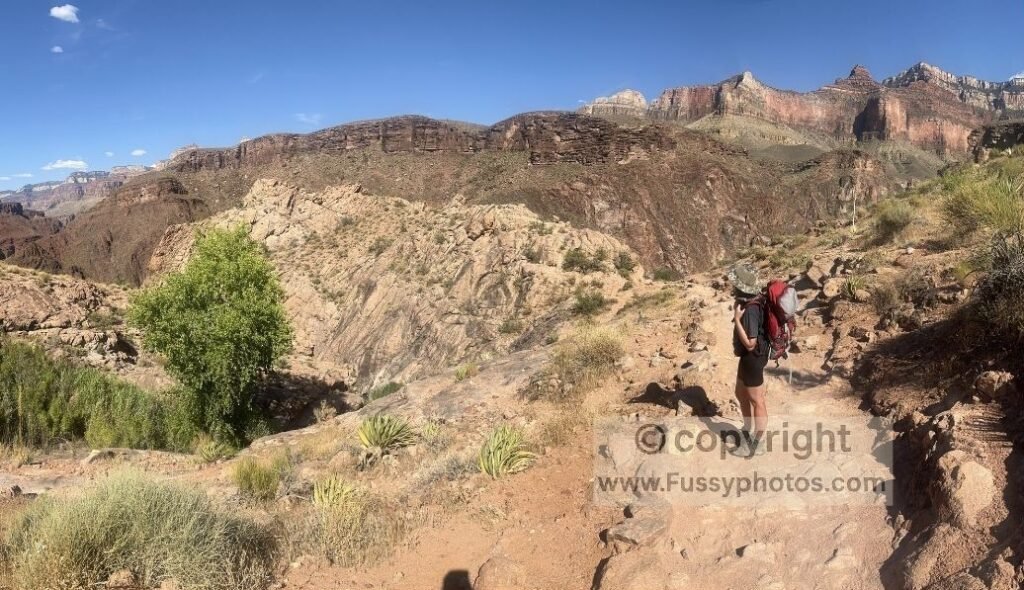
The combination of steep trails, full exposure, and the furnace‑like heat radiating off the canyon walls makes the ascent far tougher than most hikers expect. Even those with strong fitness underestimate how much the heat, grade, and timing of the climb will compound over the course of the day.
Summary
Hiking in the Grand Canyon is uniquely difficult because:
- You descend first, when you feel fresh, making it easy to over‑commit.
- You ascend last, when you are most tired, in the hottest part of the canyon.
- Heat radiates off the canyon walls, creating a furnace effect.
- Trails like South Kaibab Trail and Bright Angel Trail are steep, exposed, and long.
- Elevation gain from the river is comparable to climbing a major mountain.
Why the Grand Canyon Is More Dangerous Than It Looks
The Grand Canyon feels deceptively safe at the start. The rim is cool and breezy, the trails are wide and well‑maintained, and the first mile feels effortless. This creates a false sense of security that leads hikers to go farther than they intended.
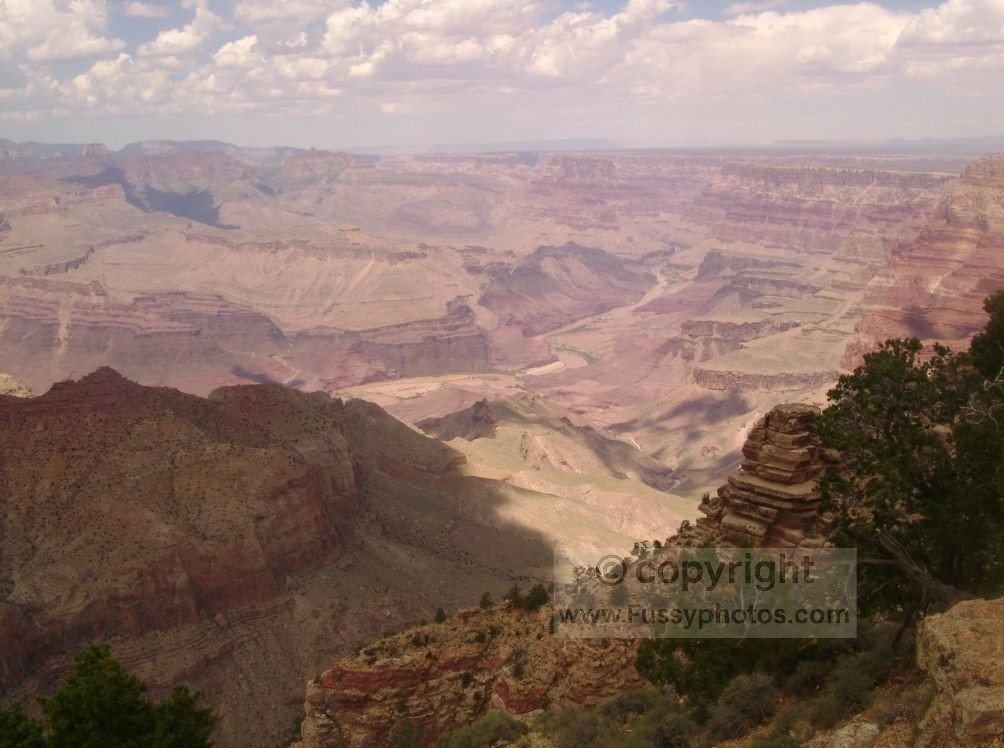
The real danger is not the first mile — it’s the combination of heat, exposure, and the long climb out. Most hikers who get into trouble aren’t being reckless; they simply misread the canyon. The descent feels easy, the scenery is distracting, and the difficulty doesn’t reveal itself until hours later, when the heat peaks and the ascent begins.
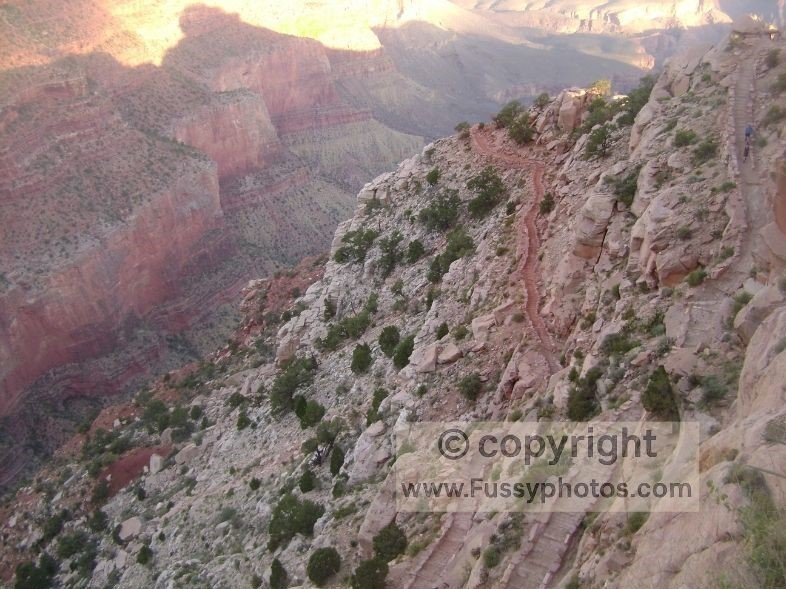
The Grand Canyon’s Rewards—and the Risks Behind Them
The rewards of hiking in the Grand Canyon are enormous – world-class views, solitude in a park attracting 5-6 million visitors a year and amazing sunrises and sunsets. Every year, the NPS responds to approximately 250 search and rescue incidents including helicopter evacuations and emergency medical care. Some will just be unlucky. But the canyon punishes poor timing, poor planning, and poor preparation. These six mistakes are the ones you’ve seen, made, or narrowly avoided.
Watch: What Most Hikers Get Wrong in the Grand Canyon — Safety Tips Every Hiker Must Know

Mistake 1 — Starting Your Hike Too Late
Who this affects: All visitors
In the hotter months, avoid hiking between 10 a.m. and 4 p.m. This still leaves ample time for daylight hiking, but if you plan on completing a long hike, dawn starts are essential. Without them, you risk turning around too late — expect it to take twice as long to ascend as it took to descend — and climbing out during the hottest part of the day.
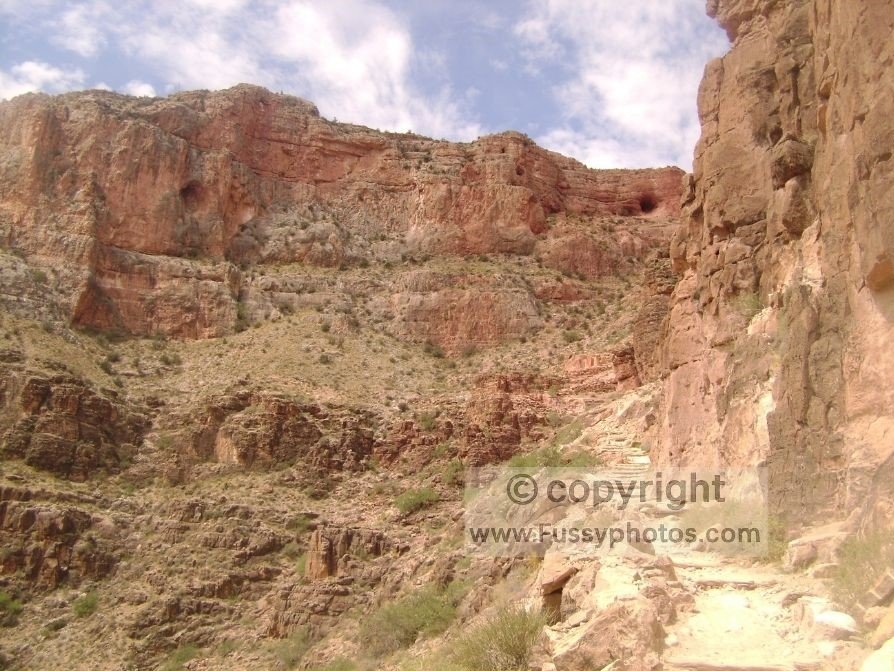
It’s not just the lack of shade that punishes you. The canyon walls absorb heat and radiate it back into the late afternoon. In narrower sections, temperatures can exceed 110°F. Temperatures rise roughly 5.5°F per 1,000 feet of descent. In summer, shuttles can take you to the trailheads as early as 5:00 a.m.
Mistake 2 — Taking a Spontaneous Walk into the Canyon
Who this affects: Hikers who start late or enter the canyon spontaneously
Depending on how far you hike, you can descend up to 4,500 feet on Bright Angel Trail, 4,700 feet on South Kaibab Trail, and 5,700 feet on North Kaibab Trail. It can feel cool and comfortable along the rim, even toward midday, and the views tempt visitors into “just a quick walk.”
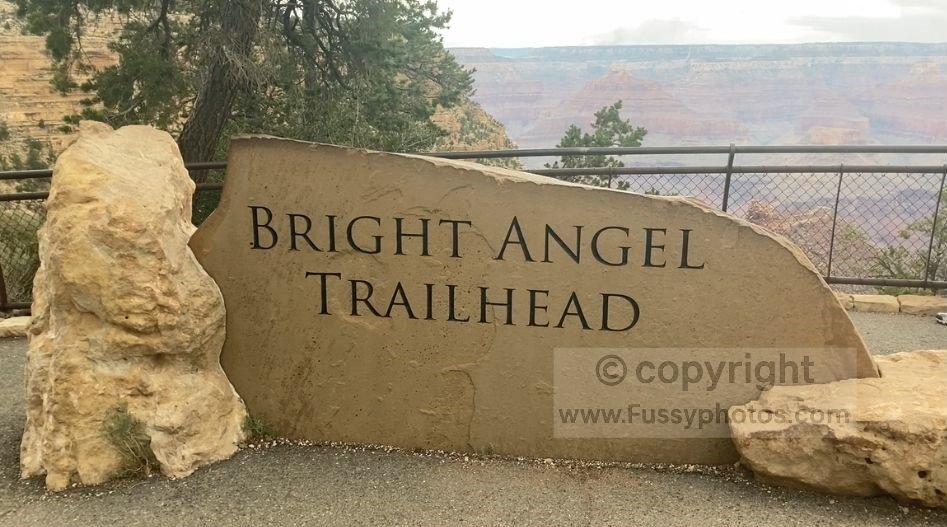
Descending feels exhilarating — the scenery changes, the scale expands, and the first mile feels easy. It’s dangerously easy to lose perspective on how far you’ve gone. With spontaneity comes a lack of preparation: the NPS advises eating twice as much food as usual (salty and sugary), and during summer your fluid/electrolyte loss can exceed two quarts per hour if you hike uphill in direct sunlight.
Without preparation, it’s easy to descend with too little or no water, food, electrolytes, or sun protection. On my fourth descent, while cooling off in the Colorado River, I chatted with a hiker wearing tight jeans. He insisted he was fine, but it was a perfect example of poor preparation — and I was genuinely concerned about how he’d cope on the ascent.
Turn around quickly if you’re unprepared for anything more than a short stroll. The NPS provides recommended turnaround points for both South Kaibab and Bright Angel.
Mistake 3 — Drinking Too Much Plain Water (Hyponatremia)
Who this affects: Day hikers and corridor hikers
Even with excellent preparation, this mistake is easy to make. On my third descent of the Grand Canyon, I carried 8 liters down the South Kaibab Trail. By the time I’d hiked the River Trail and looped back up the Bright Angel Trail, I was ready for a refill at Havasupai Gardens. Not long after, while tackling the immense switchbacks that climb 2,400 feet in just 3.5 miles, I began feeling dizzy and nauseous. A fellow hiker offered me salty food, and within minutes I felt noticeably better. I describe the full experience of that hike — including the heat, the climb, and the early signs of hyponatremia — in my See, Hike, and Survive the Grand Canyon guide.
Hyponatremia occurs when you dilute the sodium in your bloodstream. I was likely in the early stages. It’s not enough to drink lots of fluid — it needs to be the right kind: electrolytes, sports drinks, salty snacks.
Mistake 4 — Not Bringing Salty, Sugary Food and Fluids
Who this affects: Hikers taking spontaneous walks or those with limited planning
This is a natural extension of Mistake 3 and one I was guilty of on my first successful rim‑to‑river‑to‑rim hike. I packed plenty of food, some salty and sugary, but not enough — and not the kind that’s easy to eat in 100–110°F heat.
The NPS advises eating twice as much as normal, focusing on salty snacks, water, and sports drinks. Even if you’ve had a big breakfast, you’ll burn a huge number of calories on the trail. Your blood sugar and salt levels will drop quickly, especially with heavy sweating. Sugar replenishes energy; salt helps prevent hyponatremia.

Understanding Heat, Hydration, and Electrolytes in the Canyon
Heat in the Grand Canyon behaves differently than in most hiking environments. The canyon walls absorb heat throughout the morning and radiate it back in the afternoon, creating a furnace‑like effect. Hydration alone won’t protect you — you need a balance of water, electrolytes, and calories.
Key points:
- Electrolytes help your body retain water and maintain muscle function.
- Sugary snacks help stabilize blood sugar during long climbs.
- Drinking only water can lead to hyponatremia, especially during long ascents.
- Heat exposure increases dramatically in narrow canyon sections.
Understanding this balance is essential for safe hiking. For official guidance on recognizing and preventing heat illness in the canyon, the National Park Service provides a detailed overview of heat‑related risks.
Mistake 5 — Starting the Ascent at the Wrong Time
Who this affects: Rim‑to‑River‑to‑Rim hikers
Unless you’re hiking the Rim Trail, your hike involves a descent — and however far you go down, you must climb back up. The further you descend, the more important it becomes to time your ascent to avoid the heat of the day.
Best practice:
- avoid activity between 10 a.m. and 4 p.m.
- rest in shade
- get wet
Great places to do this include River Resthouse or Havasupai Gardens on the Bright Angel Trail (see How to Successfully Hike the Grand Canyon Rim‑to‑River‑to‑Rim Loop), or Phantom Ranch on the North Kaibab Trail.
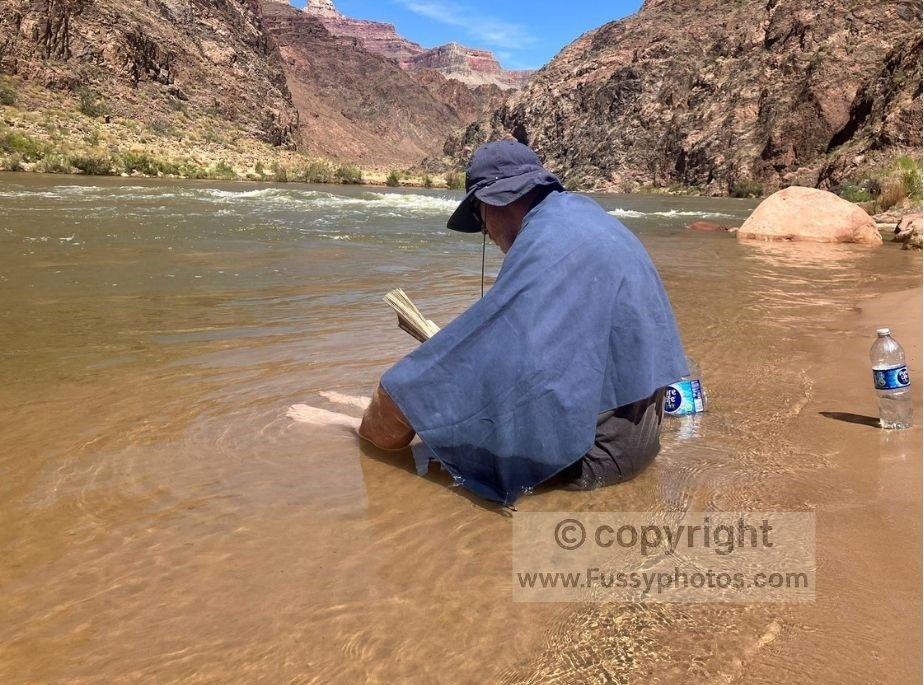
On my first successful rim‑to‑river‑to‑rim hike, I began my ascent far too early — at 10:30 a.m., precisely when you don’t want to be hiking. I quickly entered a narrow tributary canyon at the start of the Bright Angel ascent, and the temperature rose sharply. The walls radiated heat absorbed throughout the morning, and with no breeze or shade it felt like hiking in a furnace. The ascent of Devil’s Corkscrew was the hottest I’ve ever been on a trail, undermining what had been a well‑planned hike up to that point.
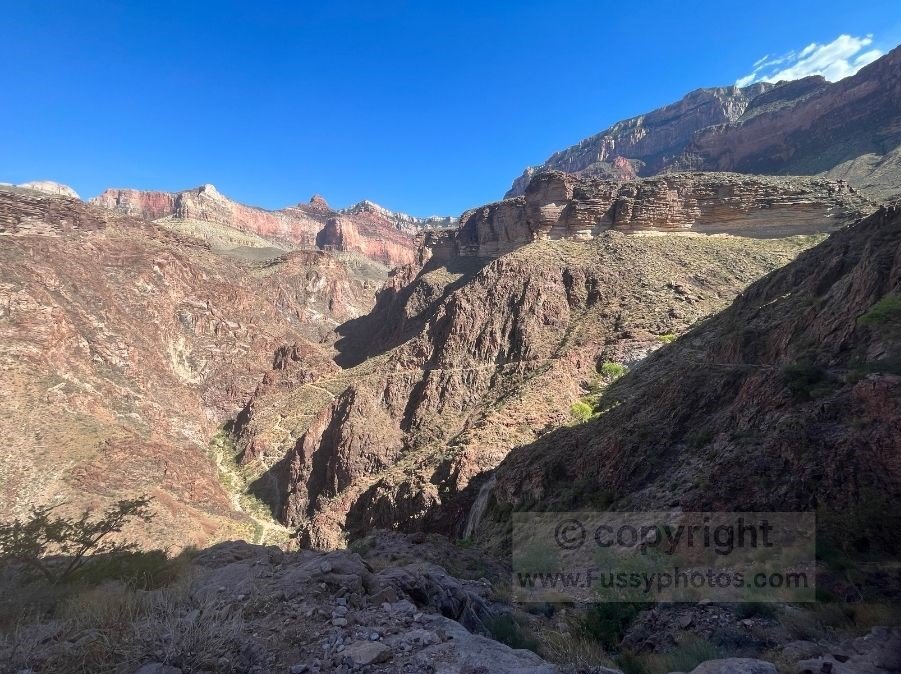
Mistake 6 — Leaving Havasupai Gardens Too Soon
Who this affects: Rim‑to‑River‑to‑Rim hikers on the Bright Angel Trail
Although this point refers specifically to Havasupai Gardens, it applies to any shaded, cool area you find on your ascent. If you’re climbing from the canyon floor in warmer months, you must stay off the trail between 10 a.m. and 4 p.m.
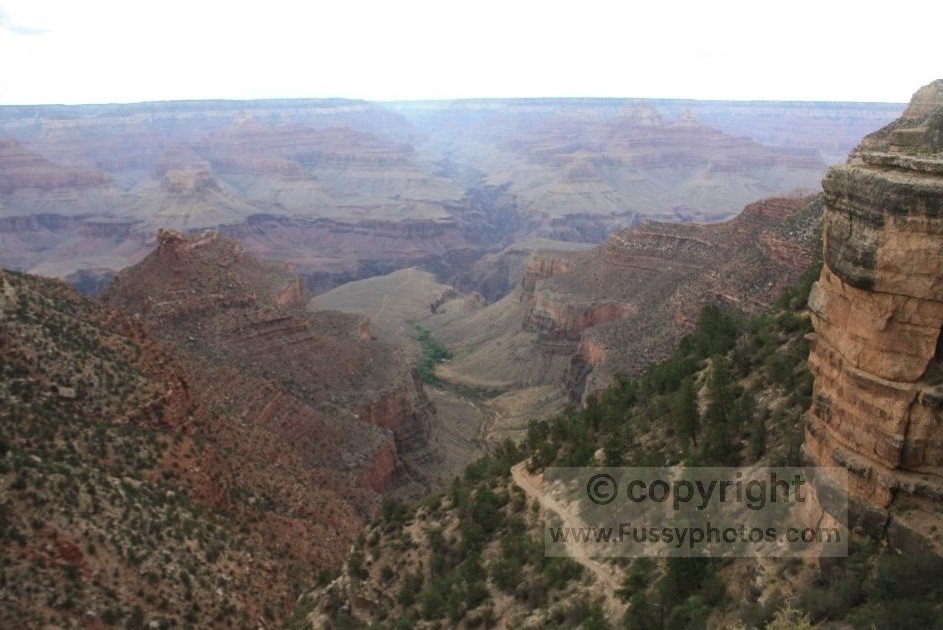
A rim‑to‑river‑to‑rim hike via the Bright Angel Trail allows time to cool off, relax, and refill water at Havasupai Gardens. If you’ve managed to follow rules 1–5, it’s still essential to remain disciplined and stay here until at least 4 p.m. Leaving too soon guarantees a punishing ascent of the Bright Angel switchbacks on your way back to the rim.
Quick Wins for Safe Canyon Hiking
- Start before 10 a.m.
- Don’t hike between 10–4
- Carry electrolytes
- Eat salty and sugary snacks
- Rest in shade
- Soak clothes to cool down
- Turn back early if unprepared
For more on how to complete a successful Grand Canyon hike, you might enjoy my How to Successfully Hike the Grand Canyon Rim‑to‑River‑to‑Rim Loop page.
Essential Gear for Grand Canyon Day Hikes
A few items make a huge difference in the Grand Canyon:
- 2–3 liters of water capacity (more for long hikes)
- Electrolyte tablets or sports drink powder
- Salty and sugary snacks
- Sun hat and sunscreen
- Lightweight, breathable clothing
- A small first‑aid kit
- Trekking poles for the ascent
- A headlamp for early starts or late finishes
For official guidance on water sources, permits, safety, logistics, and common visitor questions, the National Park Service maintains a comprehensive Hiking FAQ for the Grand Canyon.
Best Times of Year to Hike the Grand Canyon
The safest and most enjoyable seasons are:
- Spring (March–May) — cooler temperatures, longer days
- Autumn (September–November) — stable weather, less heat
Summer is extremely hot and dangerous below the rim. Winter can bring ice and snow to the upper trails.
Shoulder seasons offer the best balance of safety, comfort, and daylight.
Best Turnaround Points for Beginners
If you’re new to hiking in the Grand Canyon, the NPS recommends clear turnaround points:
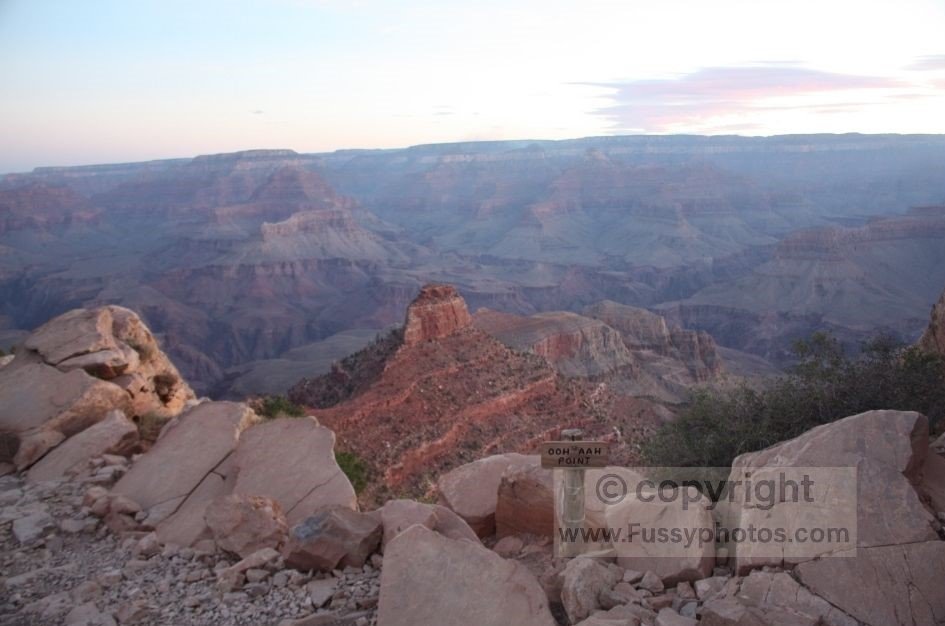
- Ooh Aah Point on the South Kaibab Trail
- 1.5 Mile Resthouse on the Bright Angel Trail
- 3 Mile Resthouse for stronger beginners
These points allow you to experience the canyon without committing to the extreme heat and steep climbs deeper inside.
FAQs for Grand Canyon Hiking Safety
How hard is it to hike into the Grand Canyon?
Most hikers underestimate the difficulty because the descent feels easy, but the real challenge is the long, steep climb back out—often in rising heat and full exposure.
What is the best time of day to start a Grand Canyon hike?
Early morning is safest. Most NPS guidance recommends starting before sunrise to avoid the 10 a.m.–4 p.m. heat window.
Why is hiking out of the Grand Canyon so much harder than hiking down?
Descending is fast and feels effortless, but climbing out takes twice as long — and because the sun keeps rising while you’re going down, you often start the ascent just as heat, exposure, and radiating canyon walls are reaching their peak.
What are the biggest mistakes hikers make in the Grand Canyon?
Starting too late, descending too far, underestimating heat, drinking only water, not eating enough salt and calories, beginning the ascent during peak heat, overestimating your fitness, and losing track of how far you’ve hiked on the way down.
How much water should you drink when hiking in the Grand Canyon?
Hydration needs vary by person and conditions, but in hot weather the National Park Service notes that hikers can lose up to about 1 quart (roughly 1 liter) of sweat per hour during strenuous activity. Drinking only plain water can dilute sodium levels and contribute to hyponatremia, so water should be paired with salty snacks or electrolyte sources to replace what’s lost through heavy sweating.
What should I eat while hiking in the Grand Canyon?
Salty, sugary snacks—chips, pretzels, electrolyte drinks, gummies—help replace sodium and energy lost through heavy sweating.
When is it too hot to hike in the Grand Canyon?
Between 10 a.m. and 4 p.m., temperatures on inner‑canyon trails can exceed safe limits. Most hikers should avoid ascending during these hours.
What are the best turnaround points for beginners?
Ooh Aah Point (South Kaibab), 1.5‑Mile Resthouse (Bright Angel), and Cedar Ridge are popular NPS‑recommended turnaround spots.
How far can you safely hike in the Grand Canyon in one day?
Most visitors should stick to short below‑the‑rim hikes. The National Park Service advises against attempting rim‑to‑river‑to‑rim in a single day, and even highly conditioned, heat‑adapted hikers face significant risks from heat, exposure, and the long ascent.
Why is the South Kaibab Trail considered harder than Bright Angel?
South Kaibab is steeper, fully exposed, and has no water. Bright Angel has water stops, partial shade, and a more gradual grade.
What is the Devil’s Corkscrew and why is it dangerous?
It’s a steep, sun‑exposed switchback section on Bright Angel that becomes extremely hot after midday due to heat absorbed by canyon walls.
Is it safe to cool off in the Colorado River?
Only in shallow, calm edges. The river is extremely cold and fast‑moving, but splashing, soaking clothing, and resting in shade are effective cooling strategies.
What gear do I need for a Grand Canyon day hike?
A hat, sun protection, salty snacks, electrolytes, 2–3 litres of water, sturdy footwear, and layers for changing temperatures.
When is the best time of year to hike the Grand Canyon?
Spring and autumn offer the safest temperatures. Summer inner‑canyon heat can exceed 40°C (104°F).
Why do so many hikers need rescue in the Grand Canyon?
Most rescues involve heat illness, dehydration, hyponatremia, or hikers descending too far before realising how long and difficult the ascent will be.
Grand Canyon Guides
Hiking Safety, Heat & Hydration
For essential advice on avoiding heat illness, managing hydration, and staying safe on strenuous desert trails, explore the full Hiking Safety, Heat & Hydration category.