Why you should visit Capitol Reef: Utah’s Most Underrated Park
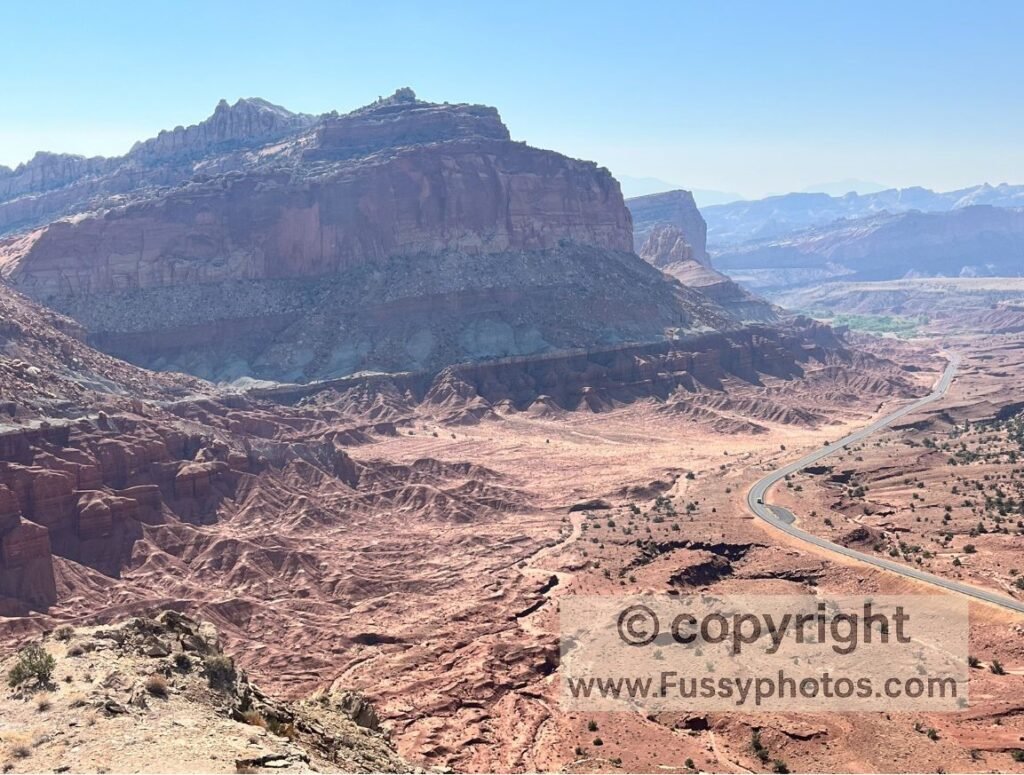
Capitol Reef: Utah’s Most Underrated Park is a compact yet wonderfully diverse park — steep cliffs, dry washes, natural arches, and domes all in one underrated destination. Remote but rewarding, it’s about 5 hours northeast of Las Vegas and 4 hours south of Salt Lake City. Much of the drive from Las Vegas is scenic, and many visitors arrive via Utah Scenic Byway 12, often as part of a longer road trip linking Utah’s “Big 5” national parks and sometimes the Grand Canyon North Rim.
I’ve been twice. My first visit was a quick stop on a longer journey — enough to know the park deserved far more than a passing glance.
Plan Your Visit to Capitol Reef National Park
For a full one‑day itinerary with heat‑safety tips, see my guide: Capitol Reef One Day Itinerary: Plan Your Perfect Day.
Best Time to Visit Capitol Reef National Park
Spring and fall bring mild temperatures and blooming desert flora. Summer is hot but manageable with early starts (see my trip reports below). Winter offers snow-dusted serenity.
Camping & Lodging in Capitol Reef National Park
- Fruita Campground: Developed sites with shade and proximity to trails
- Cathedral Valley & Cedar Mesa: Primitive sites for solitude seekers
- Torrey Lodging: Cabins, inns, and RV parks just outside the park
Getting to Capitol Reef National Park: Directions & Access
- Main Access: Highway 24 through Torrey, Utah
- Scenic byway: Utah Scenic Byway 12 is a great way of accessing Capitol Reef NP via the southwest, for example from Bryce Canyon National Park
- Remote Districts: Cathedral Valley (4WD necessary but the road can be unpassable – check with the rangers before you go!) & Waterpocket Fold (rugged and remote)
Best Fruita Area Hikes in Capitol Reef National Park
Hickman Bridge Trail
A short hike to a stunning natural arch — great for families and sunrise photography.
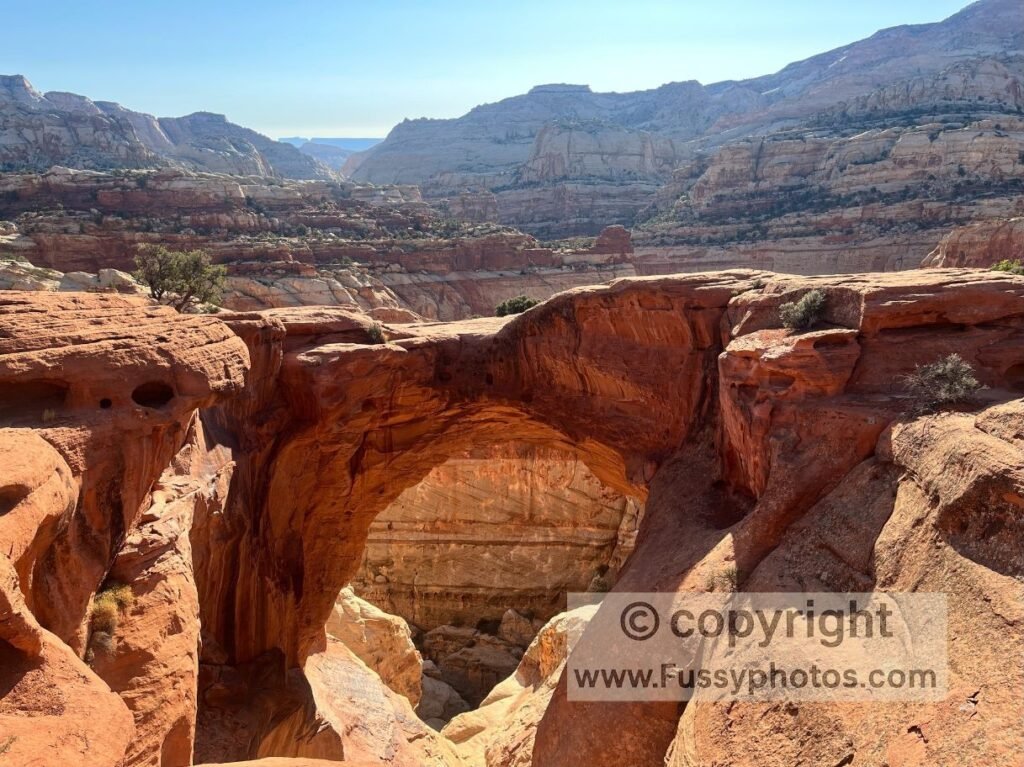
Cassidy Arch Trail: Fruita’s Iconic Hike
Named after Butch Cassidy, this dramatic viewpoint offers cliff-edge photo ops and a rewarding climb.
Grand Wash Trail: Easy Canyon Walk
A slot canyon-style walk with towering walls and easy terrain.
Chimney Rock Loop
A moderate loop with panoramic views and classic desert formations.
For a full one‑day plan built around these Fruita hikes, see my Capitol Reef One Day Itinerary.
Capitol Reef National Park FAQs
Where can I stay near Capitol Reef?
Many visitors stay in nearby Torrey, Utah, which has hotels and hotels. Inside the park, Fruita Campground is the main developed site with 71 sites. Fruita Campground sits within Capitol Reef’s historic district, about a mile from the visitor center, offering a rare green, shaded setting in the desert landscape. Campsites include picnic tables and fire rings, with nearby amenities such as restrooms with flush toilets, potable water, and an RV dump station, though showers are not available.
When is the best time to visit Capitol Reef?
Spring and fall are most popular for mild weather and reliable water sources. Summer can be hot (I experienced 93F), while winter brings snow at higher elevations.
What are the best hikes in Capitol Reef?
Hickman Bridge, Chimney Rocks Trail, Grand Wash and Cassidy Arch Trails are popular and scenic day hikes. See my Hickman Bridge trail guide and Youtube clip in my Capitol Reef One Day Itinerary: Plan Your Perfect Day. I combined Chimney Rocks Trail, Grand Wash and Cassidy Arch Trails with Lower Springs Canyon and the Frying Pan Trail to create a 2 day backcountry loop of the best trails around Fruita, Capitol Reef.
Do I need a permit to visit Capitol Reef?
No permit is required for day use or scenic drives. Backcountry overnight trips do require a free wilderness permit, available at trailhead kiosks
Is Capitol Reef good for stargazing?
Yes, Capitol Reef is an International Dark Sky Park. With minimal light pollution, it offers some of Utah’s finest night‑sky views. For the best experience, plan your visit during a New Moon.
How Capitol Reef National Park Fits into a Road Trip
Capitol Reef National Park sits at the heart of Utah’s “Big 5,” making it a natural centerpiece for a classic desert loop:
- Heading southwest, you’ll reach Bryce Canyon National Park in just over 2 hours, and Zion National Park in around 3 hours.
- Many travelers visit Capitol Reef, Arches National Park, and Canyonlands National Park in one loop, with Capitol Reef perfectly positioned in the middle.
- If you’re finishing your journey in Las Vegas, don’t miss the opportunity to visit Grand Canyon National Park as you head west—it’s a fitting finale to any Southwest adventure.
- Alternatively, if you continue east after completing the Utah Big 5, Denver becomes a logical endpoint. It’s home to a major international airport and sits close to Rocky Mountain National Park, offering a dramatic shift from desert landscapes to alpine peaks.
Whether you’re crafting a loop through red rock country or extending your journey into Colorado, Capitol Reef anchors the route with quiet beauty and central convenience.
Discover More Capitol Reef National Park Adventures