
Cat Bells Circular Walk: A Classic Lake District Short Walk
The Cat Bells circular walk is an outstanding short day walk with constant panoramic views and a huge reward‑to‑effort ratio. Just a few miles south‑west of Keswick in the Lake District National Park, you can expect mountain scenery, some strenuous walking, and sweeping lake vistas including Keswick sitting on the edge of Derwentwater, framed by Skiddaw and Blencathra, with more distant views towards Bassenthwaite Lake to the north‑west.
It’s a plateful of classic Lake District scenery, all within a few hours of walking. There are multiple routes to the top from both the east and west, and the walk can be as short as a two‑mile out‑and‑back to the summit of Cat Bells—or a longer circular walk, which was my preference after the exertion of reaching the top.
Parking for Cat Bells Circular Walk
There are several parking spots along the road running parallel to the trail on the eastern side of Cat Bells, as well as public transport options. Once parked, an anticlockwise loop is often recommended, as it allows you to climb up the steepest section rather than descend it—saving your knees and reducing the risk of slipping.
This was the approach I took, though it could be argued that the best views are those looking towards Keswick, so there’s merit in approaching from the south as well.
Climbing Cat Bells from the North
I managed to park in a small pull‑out close to the trail and began a breathless climb up the northern approach. Once above the treeline, wide‑ranging views open up in multiple directions, only improving and stretching further the higher you climb.
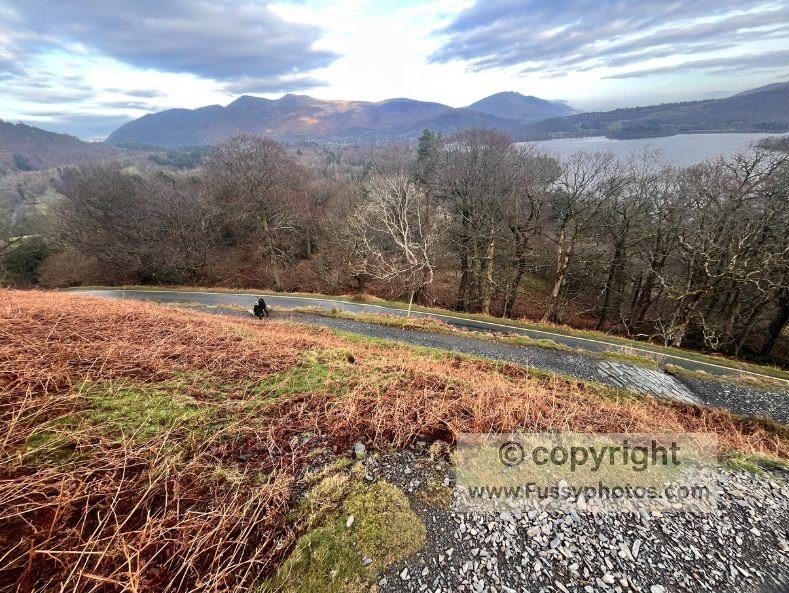
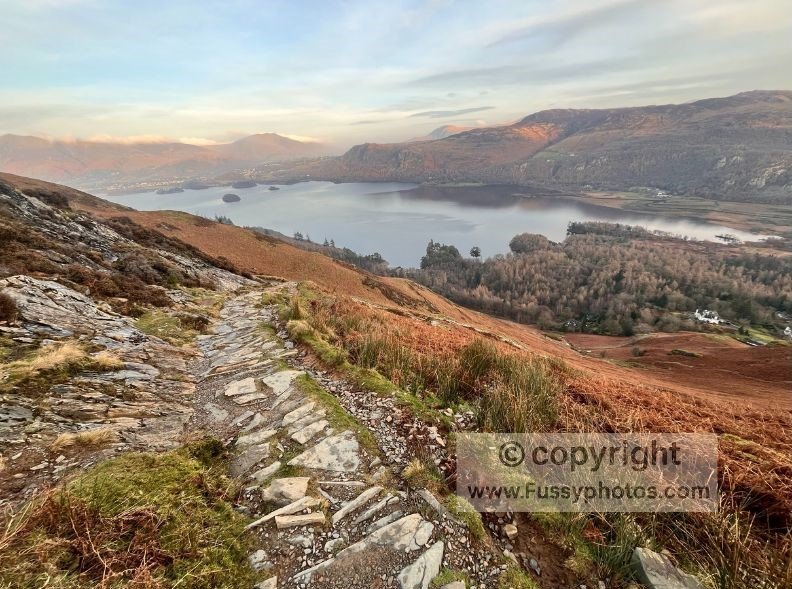
It’s a bumpy but well‑trodden trail of gravel and rock—walking boots are essential, especially when it’s wet. The path switches back a little, though still steeply, until you reach a point immediately north of the summit where the two distinct peaks come into view, resembling the humps of a Bactrian camel.
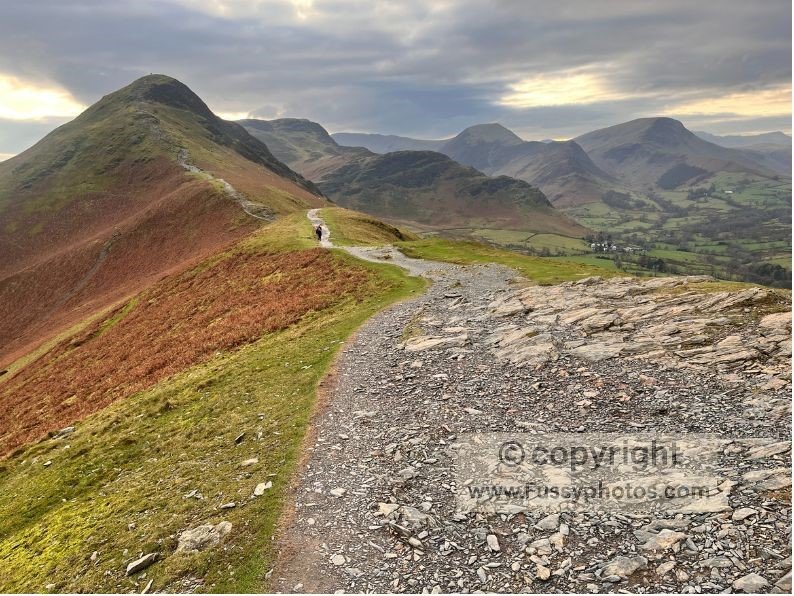
The views are notable not just for the two prominent lakes. I enjoyed looking into the surrounding U‑shaped valleys to the south‑west and across the ridges to the west as the walk gained elevation. I found myself constantly checking the map, noting potential future walks along nearby trails.
A Short Scramble to the Summit
Approaching Cat Bells from the north, the trail briefly disappears and you have to pick your own line up the rocks. At times it’s simple walking; at others it becomes a light Grade 1 scramble to maintain balance—a sharp rise of around 130 metres over a third of a mile.
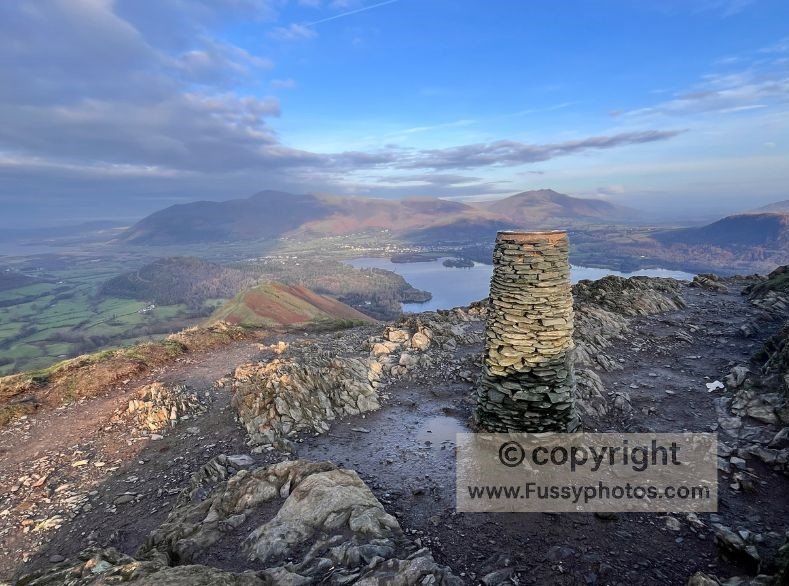
It’s all worth the effort. The southern shores of Derwentwater were glowing in the low afternoon sun, and the route soon flattens out, bringing you to a relatively broad summit with plenty of space for the obligatory photos.
Cat Bells: The Short Out‑and‑Back Option vs the Longer Circular Walk
Only 45 minutes into my walk, many people were calling it a day and returning the way they came. But there’s real reward in continuing south along a relatively flat, wide ridge for at least another third of a mile, where a left‑hand trail leads back down the mountain via more steps than I’d care to count.
Continuing Towards High Spy (Optional Extension)
A little short on time after a long car journey, I still had hopes of continuing south with ambitious plans to reach High Spy. Not because it looked too strenuous—though it’s certainly not for the faint‑hearted—but because I was worried about running out of daylight after an afternoon start.
I continued another half‑mile or so to Bull Crag (576 metres) before taking the sensible option and turning around.
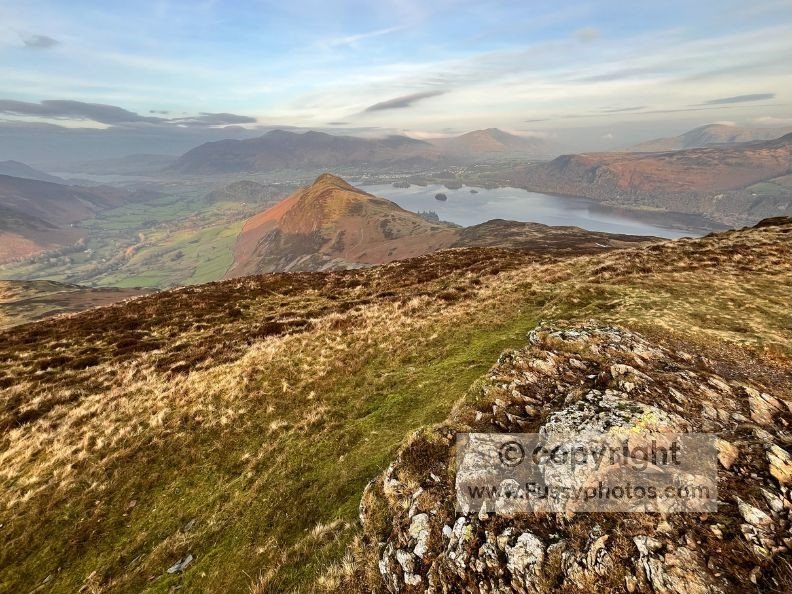
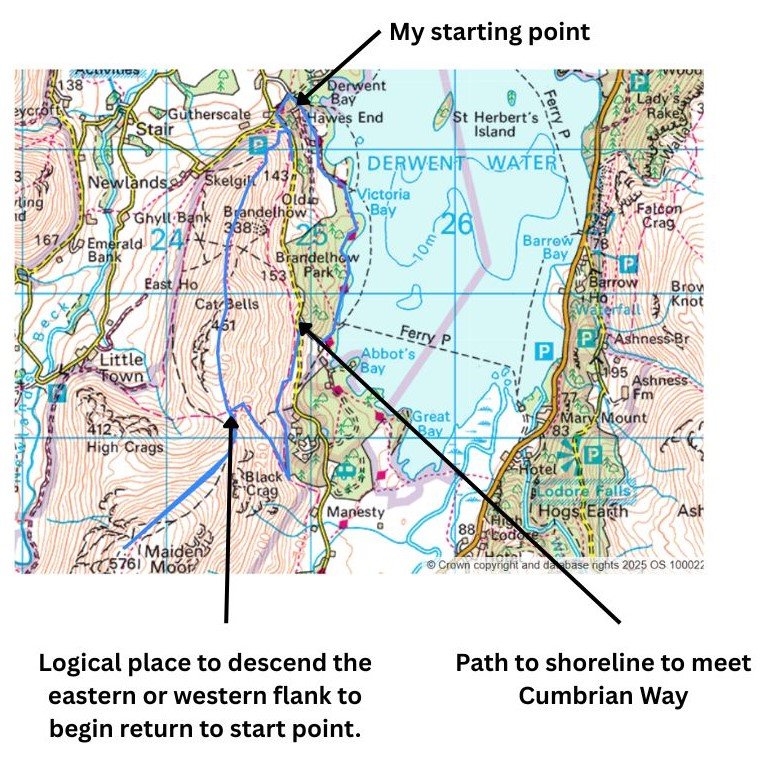
I descended the way I’d come, then took the path down the steep eastern flank via Hause Gate. It’s a little uncomfortable on the knees, but after a left turn and a northward stretch parallel to (but below) Cat Bells, I rejoined the road where I’d parked.
Joining the Cumbrian Way
Not done yet, I still had time and enthusiasm for a shoreline section. A rocky, occasionally flooded path took me to the water’s edge, where I briefly followed the Cumbrian Way north through the woods with lakeside views of Derwentwater.
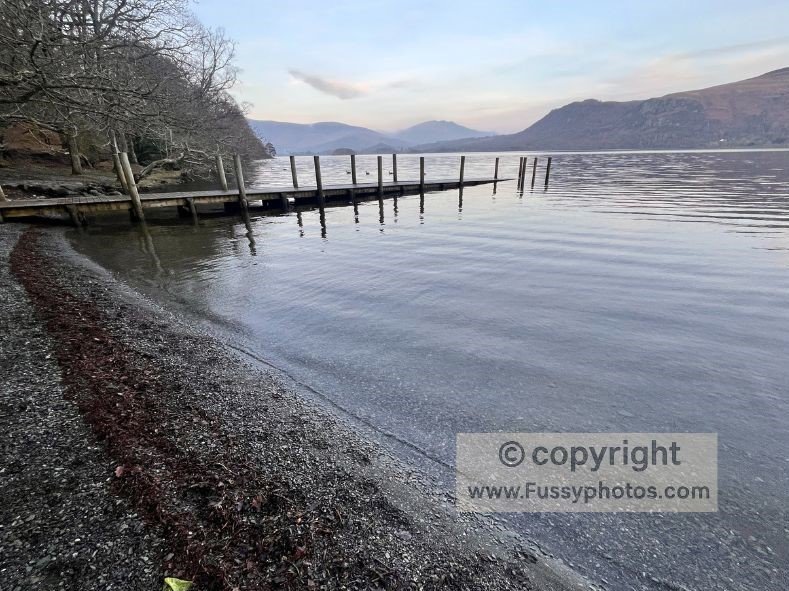
Though the light was fading, I reached as far as Otterbield Bay and planned to continue to Hawse End Outdoor Centre. Unfortunately, a section of path flooded at least six inches deep put an end to that plan.
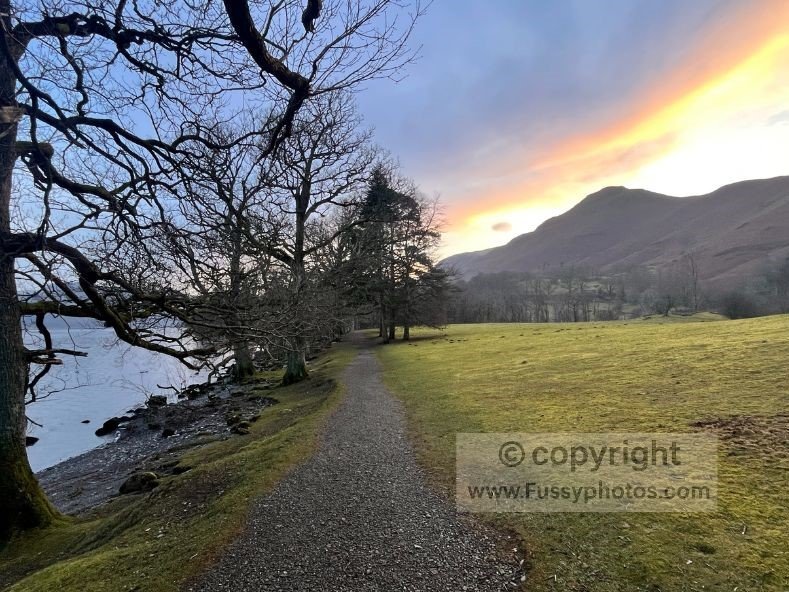
Finishing the Cat Bells Circular Walk
Hopefully you’ll enjoy a smoother finish to your own circular walk. Mine involved a muddy detour up the bank until I eventually reached the road again, completing a loop of around six miles. It wasn’t long, but the elevation gain and photo opportunities made it a leisurely and thoroughly satisfying 3.5‑hour outing.
If Cat Bells has whetted your appetite for bigger fells, you might enjoy my route for A Better Helvellyn Walk (With Fewer Regrets) — a smarter way to tackle one of the Lakes’ most iconic summits.
Cat Bells Circular Walk: Highlights in Under 6 Minutes

Cat Bells Circular Walk Route Map
FAQs About the Cat Bells Circular Walk
How long is the Cat Bells Circular Walk?
Most walkers complete the Cat Bells Circular Walk in 3–4 hours depending on pace, photo stops, and whether you extend the route towards Maiden Moor or High Spy. This loop is around 6 miles, while the short out‑and‑back to the summit is roughly 2 miles.
Is Cat Bells suitable for beginners?
Yes — Cat Bells is one of the Lake District’s most approachable fells. The ascent is short but steep in places, and there’s a short Grade 1 scramble near the top. Anyone with good fitness and sturdy footwear will manage it.
Where can I park for the Cat Bells Circular Walk?
Parking is extremely limited along the road beneath the eastern flank of Cat Bells. Spaces fill early, especially in summer and school holidays. Double‑yellow lines are enforced, and parking illegally can block emergency access. If possible, consider arriving by bus, boat, or on foot from Keswick — and if you’re driving, visiting on a quieter weekday can make parking far easier and the trails noticeably less crowded.
Can I reach Cat Bells by public transport?
Yes. The Honister Rambler (77/77A) runs from Keswick to Cat Bells between March and November, stopping at Portinscale and other key points along the way. It’s a scenic, low‑stress way to reach the start of the walk without worrying about parking.
What is the Park and Sail option for Cat Bells?
You can take a Keswick Launch boat across Derwentwater to reach the start of the walk. Boats run through spring, summer, autumn, and selected winter days. If you park at Keswick Rugby Club, you can use the Park and Sail scheme and receive a discount on launch tickets. It’s a beautiful way to begin the walk.
Can I walk to Cat Bells from Keswick?
Absolutely. A pleasant 4 km (2.5‑mile) route leads from Keswick to the base of Cat Bells, mainly on public footpaths through fields and woodland. It’s a great way to warm‑up but obviously adds more miles to your walk.
Is the Cat Bells Circular Walk dog‑friendly?
Yes — dogs are welcome, but the trail includes steep sections, rocky scrambles, and grazing areas. Keep dogs under close control and be mindful of livestock.
How difficult is the climb to the summit of Cat Bells?
The climb is short but steep, especially on the northern approach. There’s a brief rocky scramble near the top, but most walkers find it manageable. Once on the ridge, the walking becomes much easier with wide, panoramic views.
What views can I expect from Cat Bells?
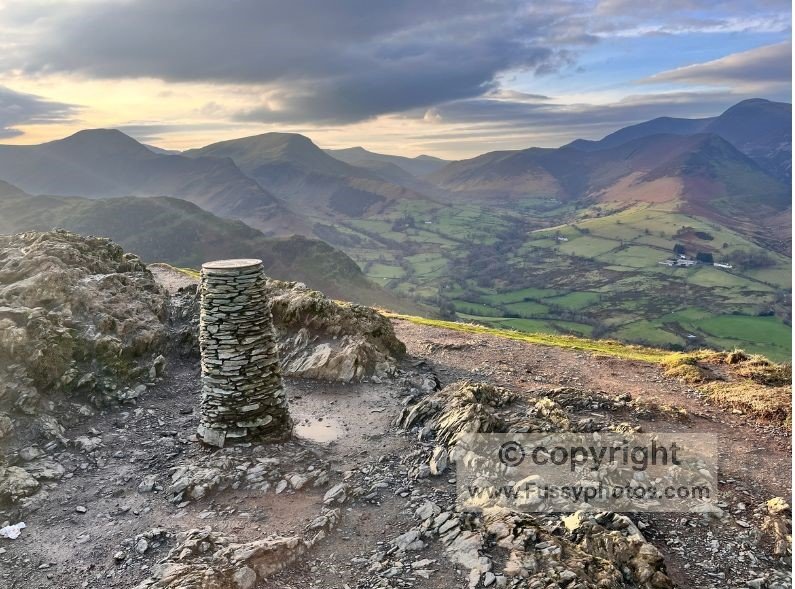
Expect classic Lake District scenery: Derwentwater, Keswick, Skiddaw, Blencathra, and distant views towards Bassenthwaite Lake. The ridge south of the summit also offers superb views into the Newlands Valley and towards Maiden Moor.
Is the Cat Bells Circular Walk busy?
Yes — Cat Bells is one of the most popular fells in the Lake District. Mornings, late afternoons, and weekdays tend to be quieter. Using public transport or Park and Sail helps reduce congestion.
Is Cat Bells safe in winter?
Cat Bells can be walked year‑round, but winter conditions may bring ice, snow, or strong winds. Good boots, warm layers, and caution on the rocky sections are essential.
Are there facilities near Cat Bells?
There are no facilities at the start of the walk, but nearby Keswick has cafés, pubs, shops, toilets, and parking. Tea rooms at Lingholm, Nichol End and Portinscale are convenient stops if you walk in from Keswick.