Why This Death Valley Half‑Day Plan Works (and What We Learned the Hard Way
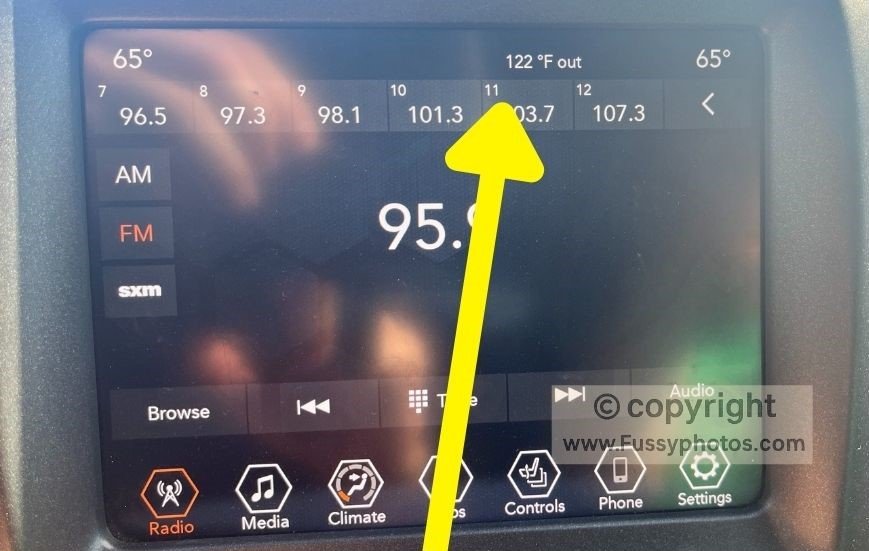
After a night of slow‑roasting ourselves at Panamint Springs, a 56‑mile pre‑dawn drive, and a hike that hit 122°F before mid‑morning, we realised just how unforgiving Death Valley can be — and how much smoother our visit could have been with a modified plan. So, with the benefit of hindsight, here’s the half-day Death Valley itinerary we should have followed. It focuses on the essential highlights, avoids the worst of the heat, and makes the most of a short window in one of the most extreme landscapes in the American West. If you haven’t read it yet, my full breakdown of tips, mistakes, and lessons learned is here.
Stay in Furnace Creek (Even If You’re on a Budget)
If you’re visiting Death Valley in summer, staying in Furnace Creek isn’t a luxury choice — it’s a survival strategy. Yes, the hotels here are pricier than you’d expect for the middle of the desert, but the alternative is driving long distances in extreme heat or trying to sleep in an oven‑like tent at sea level. Furnace Creek puts you close to food, fuel, shade, and the park’s main sights, and most importantly, it gives you access to air‑conditioning when the temperature refuses to drop after sunset.
Even if you’re watching your budget, it’s worth prioritizing a night here. You’ll spend less time driving across the park, less money on fuel, and far fewer hours questioning your life choices at 3 a.m. when the desert still feels 100°F. In summer especially, staying in Furnace Creek isn’t about comfort — it’s about making the trip safe, manageable, and enjoyable.
Optional Night‑Before Activity: Stargazing Near Furnace Creek
Death Valley’s remote location and strict protection of natural darkness make it one of the best places in the country for stargazing. The night skies here are so pristine that the International Dark‑Sky Association awards the park its highest designation, the coveted Gold Tier.
Harmony Borax Works (Best for Most Travellers)
- 5 minutes from Furnace Creek
- Easy access, safe, flat, zero effort
- Great for a quick dark‑sky fix
Alternative: Mesquite Flat Sand Dunes
- Best if you’re arriving from the west and want to stargaze before checking in (assuming your accommodation allows a late check‑in).
- A longer drive, but absolutely spectacular — especially at sunset or under a dark sky.
Early Start: Sugary Breakfast + Hydration
When you’re setting off before sunrise in Death Valley, your body needs quick, easy fuel. In extreme heat, you burn through sugar and salt far faster than you expect, and sweat evaporates so quickly that you don’t always notice how much you’re losing. A light, sugary breakfast gives you fast energy without weighing you down, and pairing it with electrolytes helps keep your salt levels balanced as the temperature climbs.
The key is to eat something you’ll actually want at 5 a.m. — not a heavy meal you’ll regret an hour later. Think simple, appealing, high‑carb foods that are easy to digest:
- Fruit: bananas, grapes, melon, apples
- Pastries: croissants, cinnamon rolls, muffins
- Cereal bars or granola bars
- Bagels with jam or honey
- Sweet trail mix (dried fruit, chocolate chips, pretzels)
Alongside that, start hydrating before you begin moving. In dry desert air, sweat disappears instantly, so you lose water and salt long before you feel sweaty. Sip water steadily as you get ready, and take in some electrolytes — a sports drink, electrolyte tablets, or even a pinch of salt with your breakfast if you’re sensitive to heat.
Once you’re on the trail or exploring viewpoints, keep topping up with small snacks every hour or so. Your body will thank you later, and you’ll avoid the mid‑morning crash that catches so many people out in the desert.
6:00/Sunrise Start: Golden Canyon Trailhead
Just five minutes south of Furnace Creek, the Golden Canyon parking lot can get busy later on, but arriving around sunrise guarantees easy parking and the coolest, most comfortable hiking conditions.
Map: Golden Canyon & Gower Gulch Loop
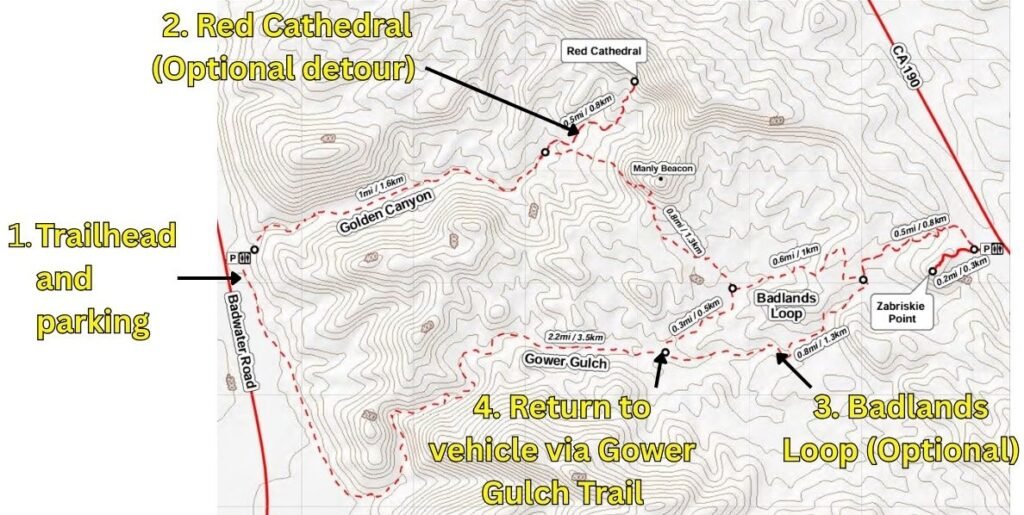
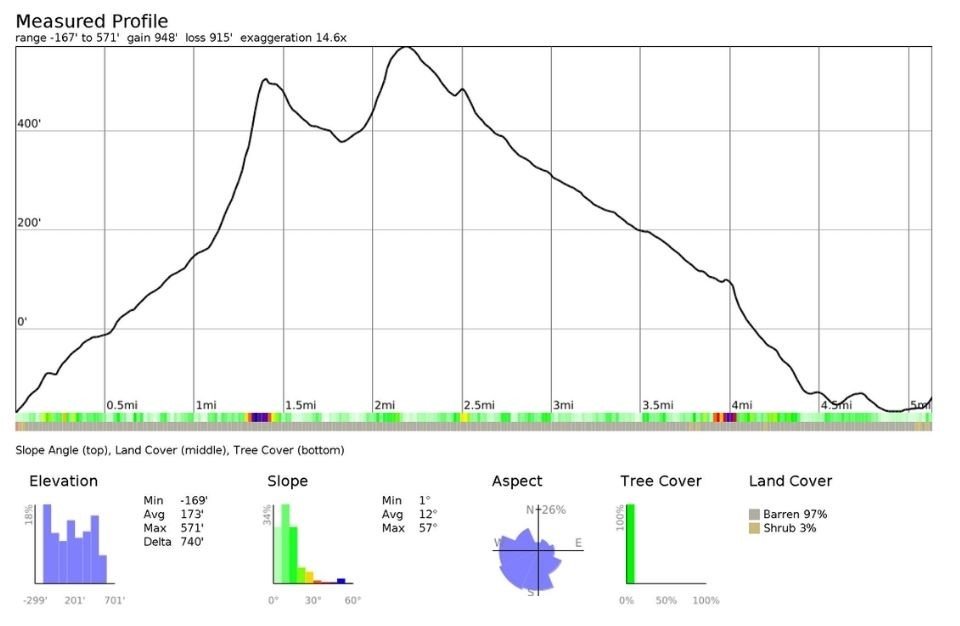
Sunrise Hike: Golden Canyon → Red Cathedral Spur (Optional) → Badlands Loop (Optional) → Gower Gulch Return
The key to a successful hike in Death Valley is to be off the trail before it gets too hot. Discipline is therefore needed. That requires arriving at the trailhead on-time (and modifying/cancelling the hike if you are late). The beauty of the above hike is that it can be modified but factor in two hours hiking without the two optional extra detours. If you do take a detour, my strong advice my experience in the hotter months is to be off the trail by 08:30. One of the best hikes in the park, you should start in the shade, with Golden Canyon some 30 feet plus in height and the sun yet to rise above it at this stage.
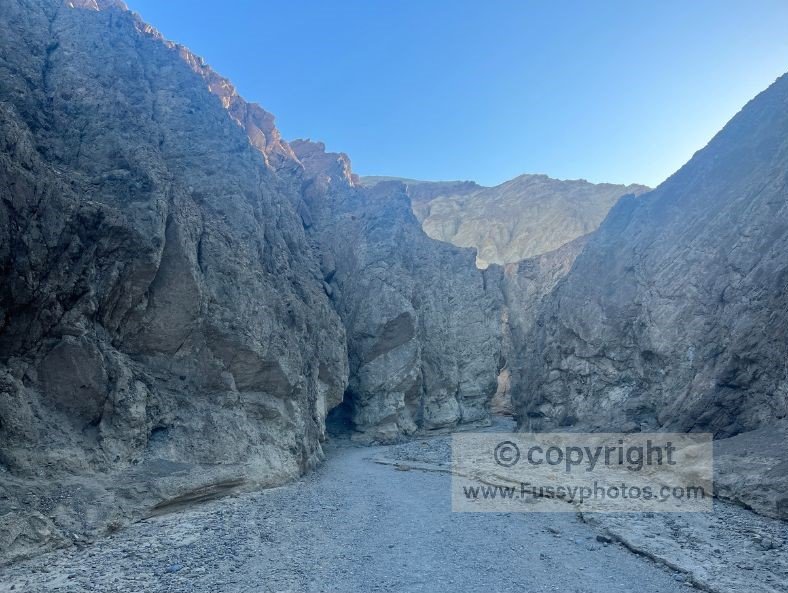
By 07:00 we were already in full sun — a reminder that starting early isn’t optional if you want a comfortable finish.
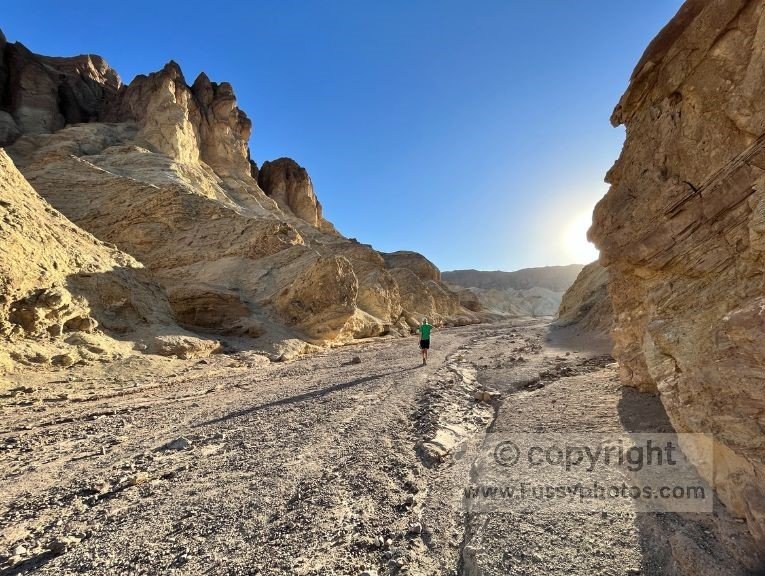
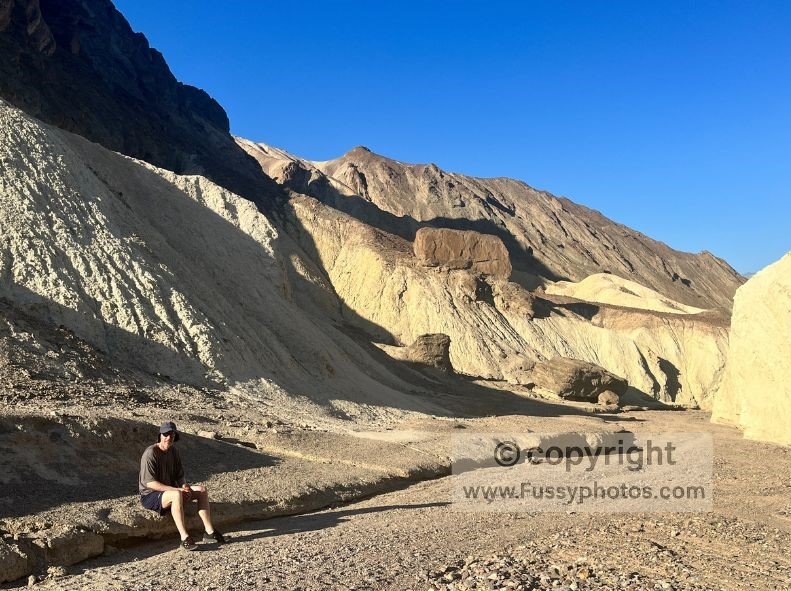
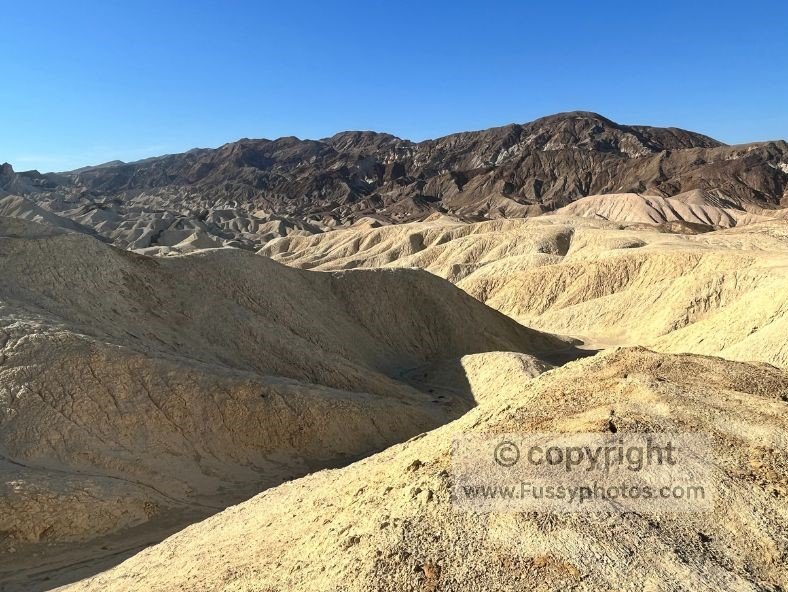
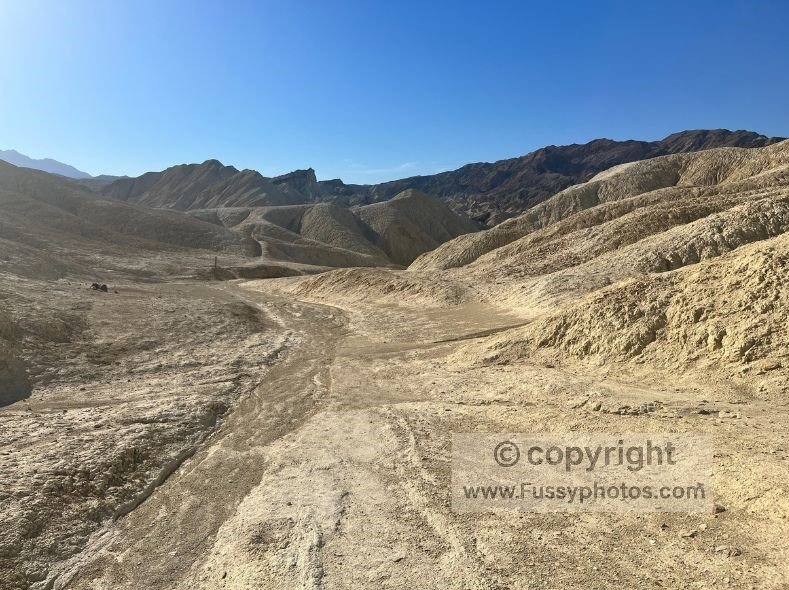
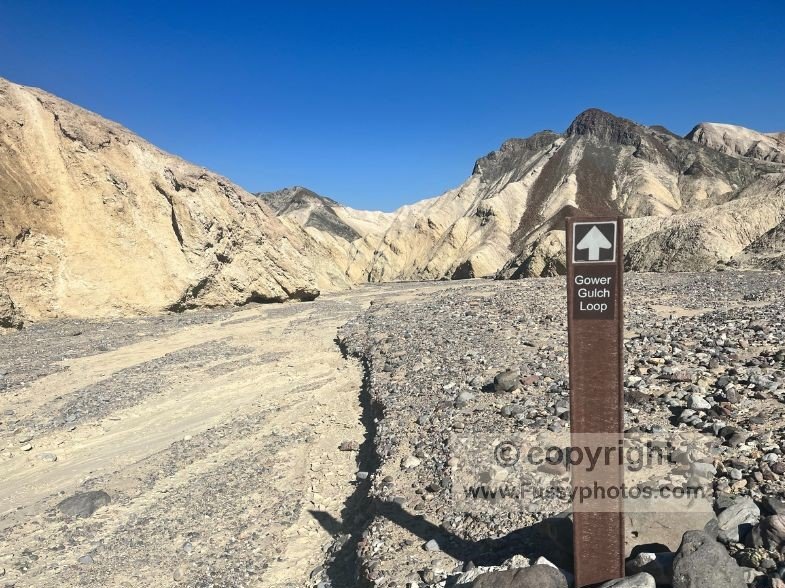
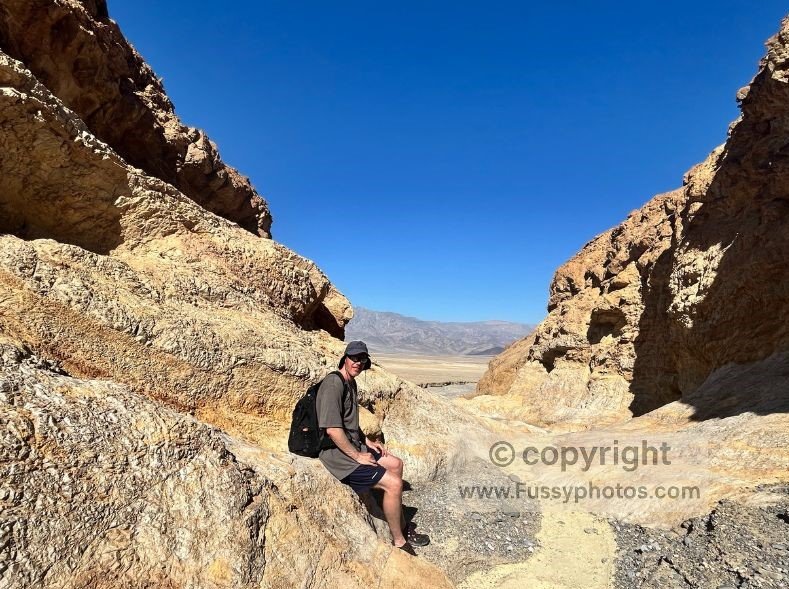
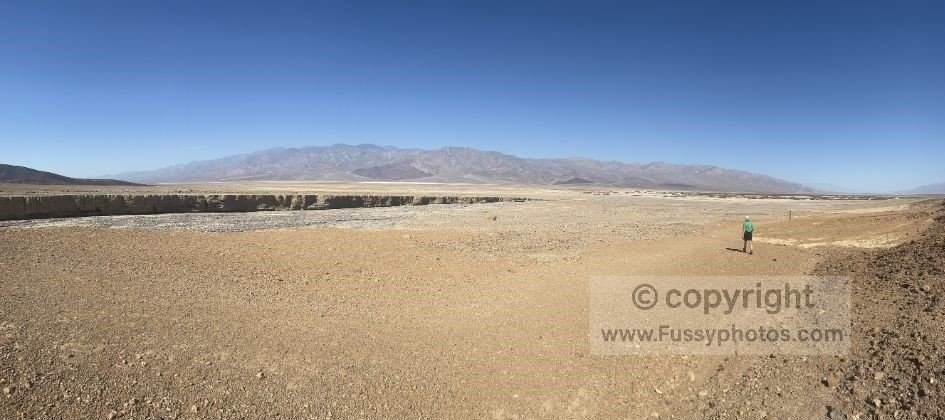
Leaving Gower Gulch, the loop finishes with a mile of walking back to the car along the open, sun‑exposed Furnace Creek. There’s no shelter here, and it’s undoubtedly the hottest part of the trail.
Golden Rules for a Safe and Comfortable Summer Loop
- Hike for 2–2.5 hours maximum
- Start no later than 06:30
- Be back at the car by 08:30
- In dangerous heat, stick to your plan
- Resist the temptation to continue the hike to Zabriskie Point
Why this hike?
- Close to Furnace Creek
- Incredible colours and textures
- Zero wasted driving time in the coolest part of the day
- Long enough to see the best of the park, yet short enough to finish before the worst of the desert heat arrives
Return to Furnace Creek Acommodation: Breakfast, Shower, Cool Down
After an early finish, you’ll still have plenty of time before checkout to enjoy the comforts a desert campsite can’t offer — air conditioning, real shade, and a proper cool‑down. After a dawn start, getting back to Furnace Creek is your chance to reset. A proper breakfast, a long drink of cold water, and a cool shower help your body recover from the early heat and the fast burn of a sunrise hike. This is the moment to replace what you’ve used up, bring your core temperature down, and give yourself a breather before heading back out for the rest of your half‑day itinerary.
Mid‑Morning Options (Choose A or B)
By now it’s too hot for hiking, so these are drive‑up only.
Option A: Artist’s Drive & Artist’s Palette
Artist’s Drive is an effortless, no‑hike scenic loop that winds through a maze of eroded hills before revealing its standout viewpoint: Artist’s Palette. Mineral‑rich volcanic rock paints the slopes in streaks of pink, green, yellow, and blue, making it one of the most colourful stops in Death Valley.
The one‑way road twists through tight bends and rolling dips, with several pullouts where you can step out and enjoy the views. Mid‑morning light brings out the strongest colours, and the short detour from Badwater Road makes it an easy addition to any half‑day itinerary.
Option B: Badwater Basin (Photos Only)
Badwater Basin is a quick, no‑hike stop where you can step out and see the famous salt flats that mark the lowest point in the USA. The basin stretches for miles in every direction, a bright white landscape framed by the Black Mountains on one side and the Panamint Range on the other — a dramatic contrast you won’t find anywhere else in the park.

In summer, it’s far too hot to walk out onto the flats, but the boardwalk and viewing area give you more than enough of the experience. You’ll still get the classic photos, the sense of scale, and the surreal feeling of standing hundreds of feet below sea level, all without leaving the safety of the paved area.
Late‑Morning Options (Choose A or B)
Option A: Furnace Creek Visitor Center
After your early hike, the Visitor Center offers a welcome dose of air‑conditioning, shaded seating, and indoor exhibits. It’s also the perfect spot to snap a photo with the famous temperature sign — a surreal reminder of just how extreme Death Valley’s heat can be.
Option B: Zabriskie Point
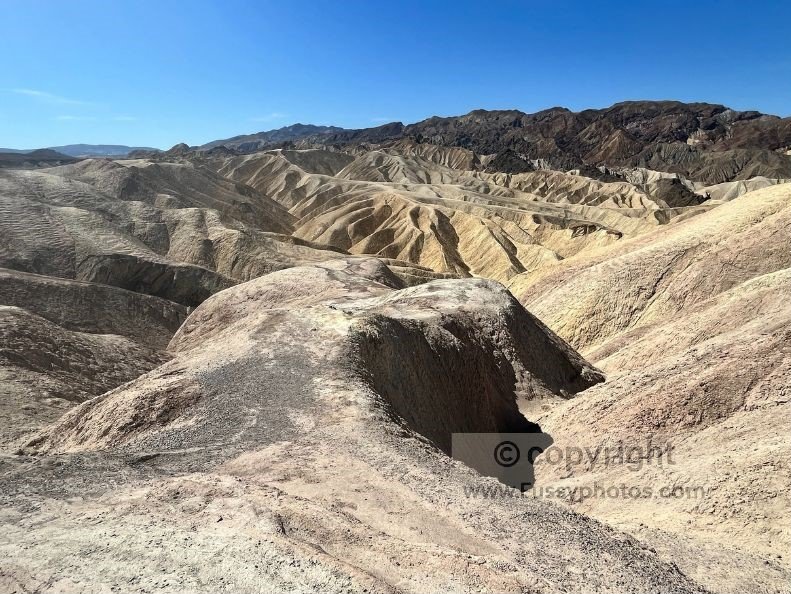
Views from Zabriskie Point stretch across a maze of sculpted badlands, one of the most recognisable landscapes in Death Valley. It’s a quick scenic stop, but the short uphill walk from the parking lot can feel surprisingly intense in the heat. Even this two‑minute climb becomes risky in midday temperatures, so take it slow, stay hydrated, and enjoy the panorama from the top.
Continue Your Road Trip
If you have time for a longer stay, the NPS website has excellent photos to spark ideas and guide your research. Death Valley is vast, so map out locations carefully and factor in the driving between them. Once you’re finished here, continue your road trip east or west — the link below (Death Valley tips, mistakes, and lessons learned) has plenty of route inspiration.
If you’re planning more desert or mountain adventures, you might also like my Wasson Peak & Kings Canyon trail guide in Saguaro National Park — a rewarding sunrise climb through classic Sonoran Desert scenery. For canyon‑and‑cliff hiking, my Observation Point, Zion route offers one of the best viewpoints in the entire park, and my Zion Traverse guide covers one of the most iconic long‑distance routes in the Southwest. I’m also expanding my coverage of the wider region with new guides to Great Basin National Park, Kings Canyon, and Yosemite — ideal additions for anyone linking Death Valley with the Sierra Nevada or a broader Southwest road trip. For route ideas and planning tips, my Death Valley tips, mistakes, and lessons‑learned page is a great place to start.
Return to the Death Valley Hiking & Travel Guide
More Desert Hiking Guides and Southwest Trail Adventures
Explore more canyon, desert, and red‑rock routes across Utah, Nevada, Tucson, and the wider American Southwest — ideal if you’re pairing Death Valley with Zion, the Grand Canyon, Tucson’s desert trails, or the Eastern Sierra.
Essential Hiking Safety, Heat Management, and Hydration Guides
For practical advice on avoiding heat illness, managing hydration, and staying safe on strenuous desert trails, explore the full Hiking Safety, Heat & Hydration category.