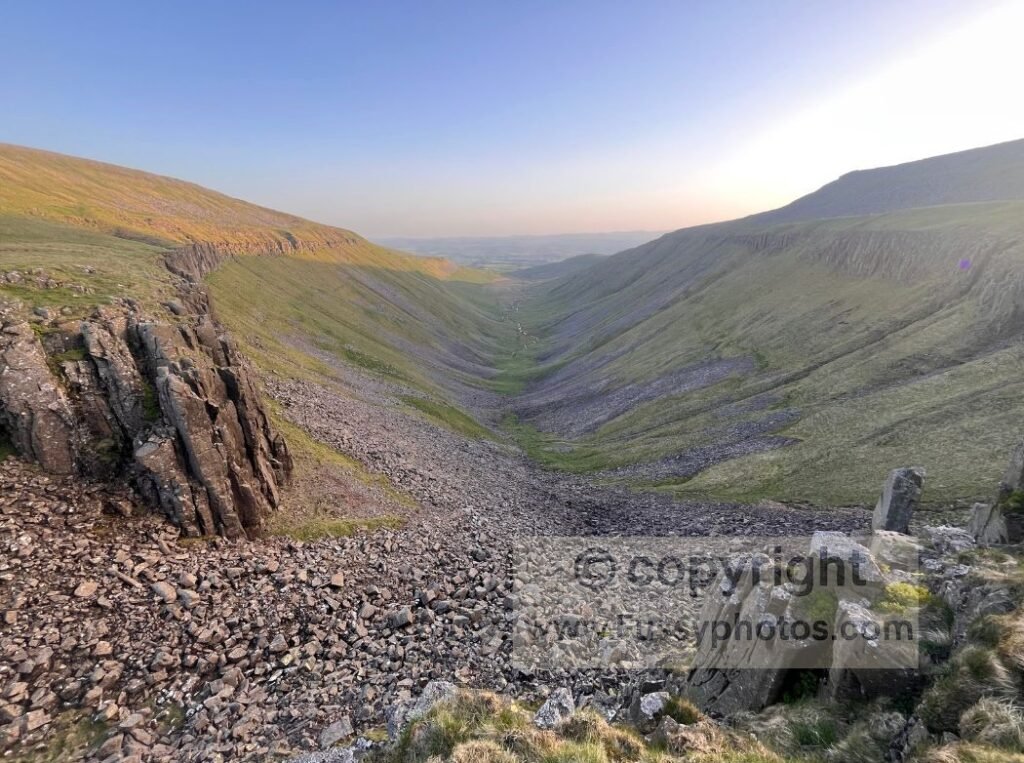
At 268 miles, the Pennine Way is too long for most walkers to attempt in one continuous point‑to‑point journey. For many, it’s far more practical to fit the trail around work and family commitments by walking in stages. There’s no right or wrong way to do this. Some people divide the route into three stages — south, middle and north — but that isn’t always practical or appropriate for everyone.
This guide sets out several different ways to break the Pennine Way into stages, giving you greater flexibility to work around your schedule, fitness level, weather windows and access to public transport.
This guide isn’t exhaustive — there are many other ways to break the trail. If you want a day‑by‑day breakdown of train access points, take a look at my guide to accessing the Pennine Way by train
Watch: Pennine Way Stage Breakdown Video

Different Ways to Split the Pennine Way into Walkable Stages
The South, Middle and North Split
South section: Edale → Horton‑in‑Ribblesdale
Central section: Horton‑in‑Ribblesdale → Greenhead
For a closer look at the central miles of this long section, my Pennine Way Days 10–12 trip report covers the Middleton‑in‑Teesdale to Haltwhistle stretch with terrain notes, photos and practical detail.
North section: Greenhead → Kirk Yetholm
If you’d like to see what the northern miles actually feel like, my Pennine Way Days 13–15 trip report covers the Greenhead to Kirk Yetholm stretch.
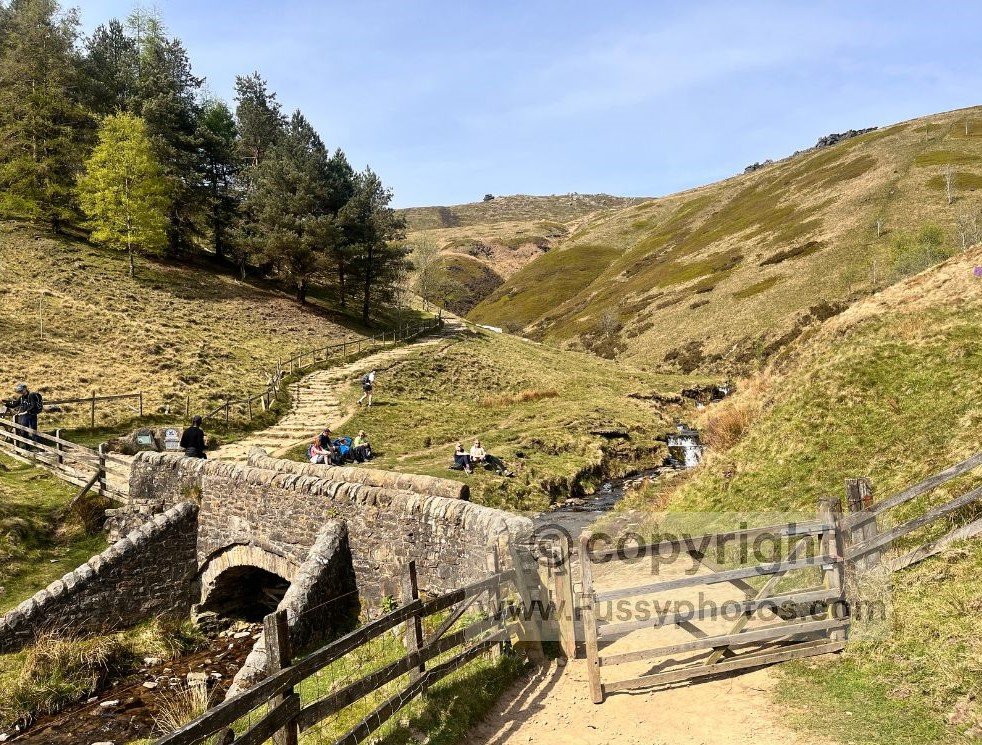
Pros
- Completing the Pennine Way in just three stages means fewer trips leaving and returning to the trail, saving both time and money.
- There are train stations at Edale, Horton‑in‑Ribblesdale and at Haltwhistle (3.5 miles off the Pennine Way) near Greenhead, making the start and end of each section relatively accessible.
- The simplicity of a three‑part split appeals to walkers who prefer a broad, straightforward structure without having to plan lots of smaller stages.
- Ideal for experienced walkers who enjoy long, continuous stretches without frequent breaks.
Cons
- The south section is around 90 miles — a long stretch and a tough introduction to the trail for many walkers.
- Even though the south section can be completed in as little as six days, some people will prefer shorter, more manageable stages to fit around other commitments.
- The central section includes long, remote stretches with limited accommodation, making logistics harder than the simple three‑part split suggests.
- The north section contains the most isolated terrain on the entire route, so ending or adjusting stages mid‑section is difficult.
- Weather windows become more critical when each stage is so long — a bad week can derail an entire section.
A Four‑Stage Split of the Pennine Way
Stage 1: Edale → Hebden Bridge (Calder Valley)
If you want to see what this first stage looks like in practice, my Pennine Way Days 1–3 report walks through the full Edale to Hebden Bridge route.
Stage 2: Hebden Bridge (Calder Valley) → Horton‑in‑Ribblesdale
Stage 3: Horton‑in‑Ribblesdale → Greenhead
To preview the central section of this long stage, my Pennine Way Days 10–12 trip report covers the Middleton‑in‑Teesdale to Haltwhistle stretch.
Stage 4: Greenhead → Kirk Yetholm
To get a sense of the Hadrian’s Wall and Cheviot terrain in this northern section, my Pennine Way Days 13–15 trip report follows the route to Kirk Yetholm.
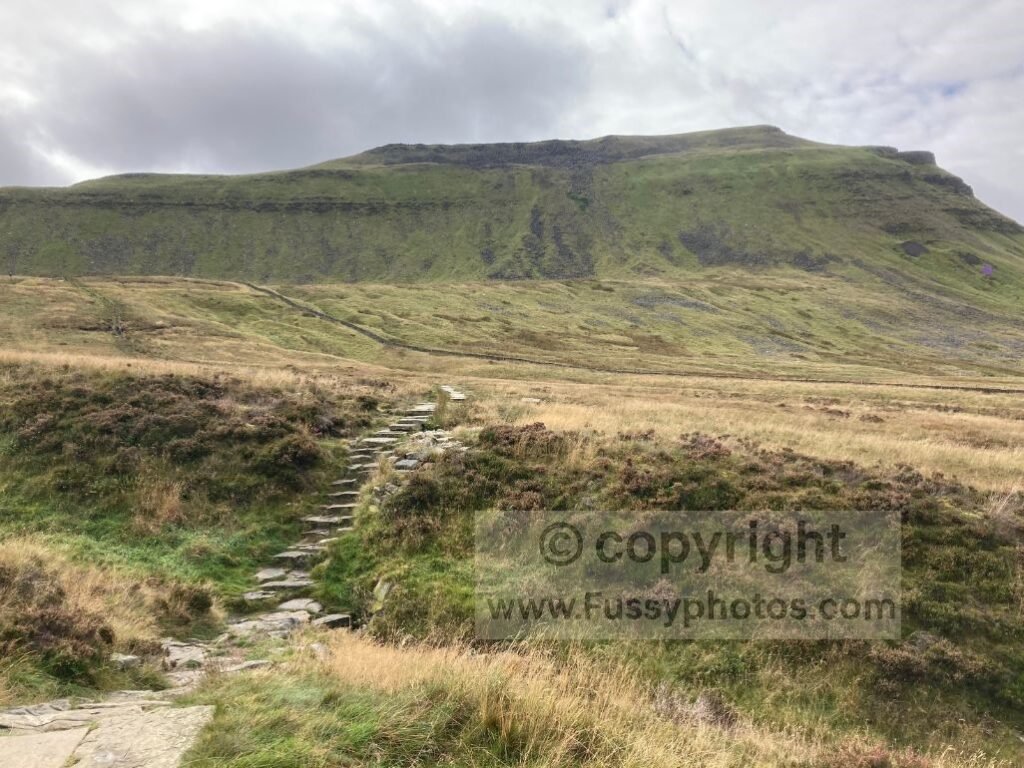
Pros
- The south section is now divided into two shorter stages, allowing walkers to build fitness and confidence before tackling the longer, more remote northern stretches.
- At just three days each, Stages 1 and 2 are easier to fit around a long weekend or short break.
- There are train stations at Edale, Hebden Bridge (1.5 miles from the trail), Horton‑in‑Ribblesdale, and Haltwhistle (3.5 miles from Greenhead), making the start and end of each section relatively accessible.
- This split offers more flexibility than the traditional three‑stage version while still keeping the structure simple and easy to follow.
- Ideal for walkers who want a balance between longer multi‑day stretches and manageable logistics.
Cons
- Stage 3 remains extremely long at around 105 miles, requiring a minimum of six days of continuous walking.
- Accommodation and resupply options in the central and northern parts of Stage 3 are limited, so planning is still essential.
- Weather windows become more important: a poor week during Stage 3 can disrupt the entire section.
- The final stage from Greenhead → Kirk Yetholm includes the most remote terrain on the Pennine Way, with no realistic opportunities to shorten or break it further.
A Five‑Stage Split of the Pennine Way
Stage 1: Edale → Hebden Bridge (Calder Valley).
For a detailed look at this opening stretch, my Pennine Way Days 1–3 trip report covers the full Edale to Hebden Bridge section with terrain notes, photos and logistics.
Stage 2: Hebden Bridge (Calder Valley) → Horton‑in‑Ribblesdale
If you’d like a closer look at this opening stretch, my Pennine Way Days 4–5 trip report walks through the Hebden Bridge to Malham section with photos, terrain notes and practical detail.
Stage 3: Horton‑in‑Ribblesdale → Dufton
For a detailed look at the southern half of this stage, my Pennine Way Days 6–9 trip report covers the Malham to Middleton‑in‑Teesdale stretch with terrain notes, photos and practical detail.
Stage 4: Dufton → Greenhead
If you’d like to see what this demanding section is really like, my Pennine Way Days 10–12 trip report follows the route from Middleton‑in‑Teesdale to Haltwhistle with on‑the‑ground notes and images.
Stage 5: Greenhead → Kirk Yetholm
For a first‑hand look at this final stretch, my Pennine Way Days 13–15 trip report follows the route from Greenhead to Kirk Yetholm.
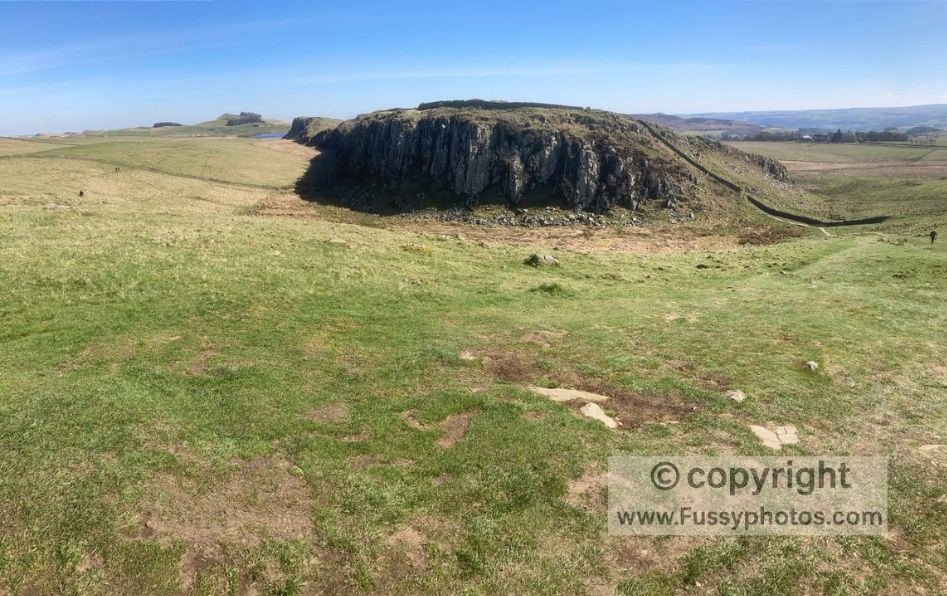
Pros
- The south section remains divided into two manageable three‑day stages, both built around strong public transport connections.
- The long middle stretch is now split from roughly 105 miles into more manageable sections of 68 miles (Stage 3) and 36 miles (Stage 4).
- The route continues to take advantage of public transport hubs, with train stations at Edale, Hebden Bridge (1.5 miles from the trail), Horton‑in‑Ribblesdale, Appleby‑in‑Westmorland (3 miles from Dufton) and Haltwhistle (3.5 miles from Greenhead).
- Many walkers consider Dufton → Alston (via Great Dun Fell, Cross Fell and Garrigill) the hardest day on the Pennine Way. Beginning Stage 4 at Dufton means you tackle this demanding section when you’re most rested.
- This split offers a good balance between longer multi‑day stretches and shorter, more flexible sections.
- Ideal for walkers who want to reduce the intensity of the central section without breaking the trail into too many parts.
Cons
- At just two days, Stage 4 may feel too short for some walkers, especially given transport costs to and from the trail.
- If you prefer to break the 20‑mile Dufton → Alston day into two, you can use Greg’s Hut (a shelter a few miles beyond Cross Fell), but this requires carrying extra supplies and planning for poor weather.
- Accommodation options between Dufton and Greenhead are limited, so careful planning is still required.
- The final stage from Greenhead → Kirk Yetholm remains long and remote, with no realistic opportunities to shorten or adjust it.
A Weekend‑Friendly Pennine Way Itinerary
If you prefer shorter stages to fit walking around family and work commitments, this is the itinerary for you. It features multiple two‑day “weekend” stages wherever possible, taking full advantage of train stations close to the Pennine Way.
The northern sections remain difficult to break into smaller stages without either:
- access to two cars (one at the start, one at the finish),
- a lift from friends or family,
- expensive taxis to reach larger transport hubs, or
- reliance on infrequent, multi‑connection bus routes.
The Weekend‑Friendly Pennine Way Split
Stage 1: Edale → Standedge (departing via Marsden Station)
For a beginner‑friendly way to walk this first stretch, my Beginner Weekend in the Peaks covers the Edale → Crowden → Marsden section as a practical two‑day sampler.
Stage 2: Standedge (beginning in Marsden) → Ickornshaw (departing via Haworth Station)
Stage 3: Ickornshaw → Horton‑in‑Ribblesdale
Stage 4: Horton‑in‑Ribblesdale → Dufton (4-days or more)
Stage 5: Dufton → Greenhead
Stage 6: Greenhead → Kirk Yetholm (4-days or more)
If you’d like to see what the northern miles actually feel like, my Pennine Way Days 13–15 trip report covers the Greenhead to Kirk Yetholm stretch.
Pros
- Stages 1, 2, 3 and 5 are two‑day stages — ideal for building a full Pennine Way walk around weekends or short breaks.
- Each stage begins and/or ends at a train station no more than 3.5 miles from the trail, making logistics far easier for walkers without a car.
- Shorter stages in the south allow you to build fitness gradually before tackling the longer, more remote northern sections.
- This split is perfect for walkers who want to complete the Pennine Way over several months or seasons without committing to long continuous stretches.
- The structure gives you more flexibility to choose the best weather windows for each weekend section.
Cons
- The more stages you use to complete the Pennine Way, the higher the overall travel costs to and from the trail.
- Stages 4 and 6 remain four days or more, which may be difficult for those with tight work or family commitments.
- Breaking Stages 4 or 6 into shorter sections is possible, but requires careful planning around transport — often involving multiple bus routes, a two‑car system, or arranging lifts.
- Accommodation availability in the northern sections can be limited, especially at short notice, making weekend planning trickier.
- Weather can have a bigger impact on shorter trips: if a weekend is washed out, you may need to delay an entire stage.
Choosing the Right Pennine Way Split for You
- Short on time? Choose the weekend‑friendly itinerary.
- Want simplicity? The three‑stage split is the cleanest.
- Prefer balance? The four‑ or five‑stage versions spread the effort well.
- Relying on trains? Prioritise stages that begin or end near rail access.
- New to long‑distance walking? Start with shorter southern stages to build confidence.
If you’re completely new to the Pennine Way and want a simple, confidence‑building introduction before planning your first section, my beginner‑friendly guide is the best place to start.
Final Word
No single stage‑plan is “right” for everyone. The Pennine Way is a long, varied and often remote trail, and the best way to walk it depends entirely on your time, fitness, transport options and appetite for long days. Accommodation availability, especially north of Middleton‑in‑Teesdale, can influence where you realistically end a stage, so it’s worth checking options early in your planning. If you need help finding places to stay along the route, National Trails keeps an excellent accommodation directory for the Pennine Way.
Whether you prefer big multi‑day pushes or short weekend sections, the splits above give you several practical ways to shape the trail around real life. With a little planning — and an eye on weather and transport — the Pennine Way becomes far more flexible than its reputation suggests. If you’re planning your own itinerary, you may also find my day‑by‑day guide to accessing the Pennine Way by train helpful for fine‑tuning start and end points.