
The dry valleys of the Yorkshire Wolds look like river valleys, but no rivers flow through them today. They were shaped during the last Ice Age, when the climate was freezing and the ground was permanently frozen solid.
The ground was frozen like concrete
During the Devensian Ice Age, the chalk was locked in permafrost, so meltwater couldn’t soak into the ground. Instead, it rushed across the surface.
Summer thaws created powerful floods
Each summer, snow and ice melted quickly. With nowhere to drain, the water poured downhill in fast, braided streams, carving steep‑sided valleys.
Chalk broke apart easily
Freeze–thaw cycles shattered the chalk into gravel. Floodwater then swept this loose material away, deepening the valleys.
When the climate warmed, the water disappeared
Once the permafrost melted, water could drain into the chalk again. The streams vanished, leaving the valleys dry, which is why they’re called dry valleys today.
Why This Matters for Walkers
The dry valleys give the Wolds Way its best scenery — long, curving dales like Thixen Dale, Swin Dale, Millington Dale, Holm Dale, and Deep Dale. Their smooth grassy floors and steep chalk sides are the result of thousands of years of freeze–thaw, flooding, and slow erosion.
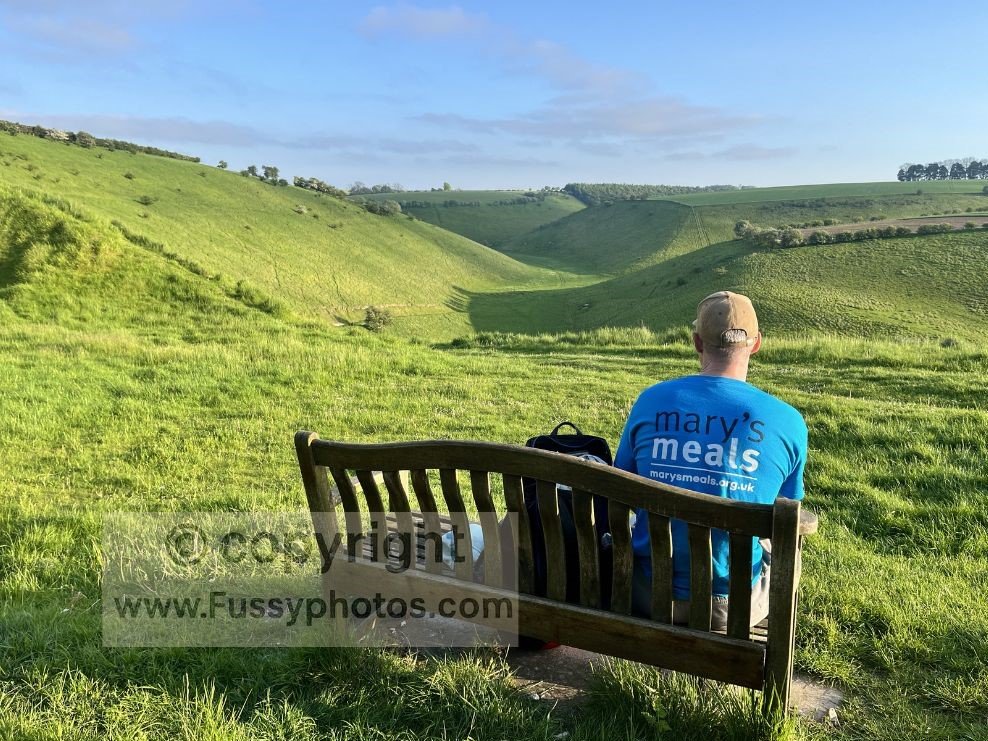
Learn where to see the best examples on the trail in my Top 10 Wolds Way Highlights.
They’re also the reason the Wolds Way has:
- gentle gradients
- firm, fast‑draining paths
- little mud
- unique chalk‑land shapes you won’t see elsewhere in Yorkshire
Yorkshire Wolds Way Hub
Head back to the hub for stages, highlights, circular walks and practical planning tools.