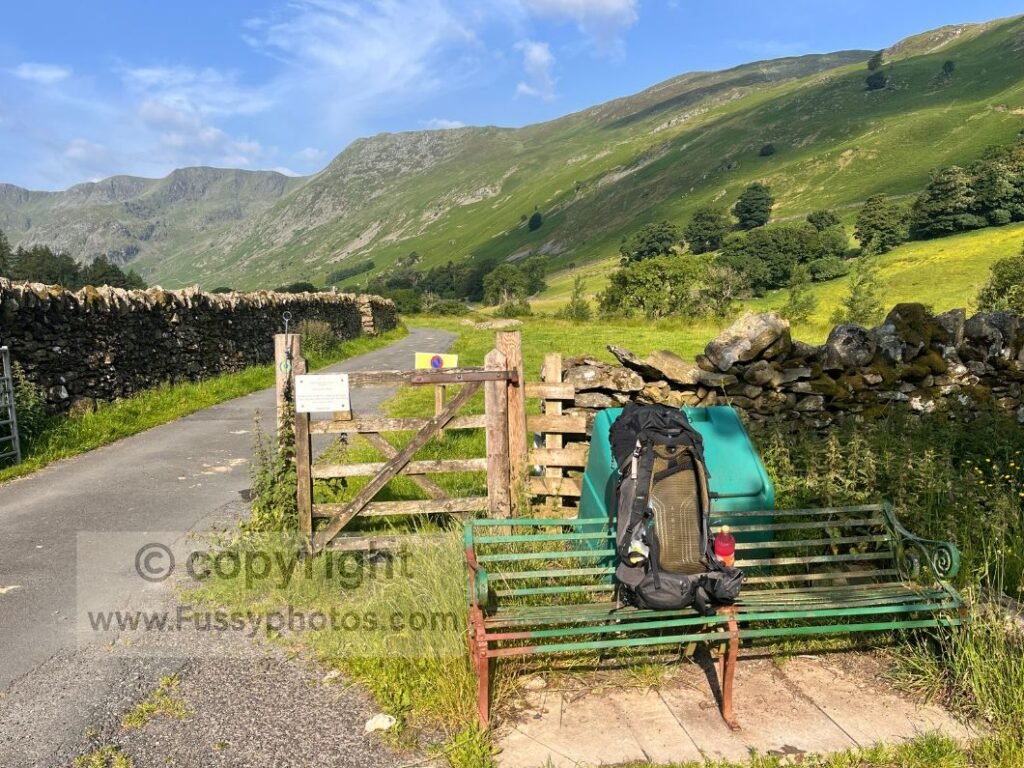
Packing for the Coast to Coast is not just about gear lists — it’s about packing for the walk you are doing, not the walk someone else planned. Your kit should match your time, mileage, accommodation, season, direction, and whether you’re carrying everything or using baggage transfer.
For a full step‑by‑step walkthrough of these decisions, see How to Plan Your Best Coast to Coast Walk.
Pack for the Walk You Are Doing
Your packing choices depend entirely on:
- How much time you have
- How many miles you can walk per day
- Whether you’re camping or staying in B&Bs
- Whether you’re using baggage transfer
- Whether you’re walking solo or with others
- What season you’re walking in
Everything else — comfort, weight, luxury items — flows from these decisions.
What Kind of Walker Are You?
How much time do you have?
Your itinerary length quietly shapes your packing more than anything else. If you’re walking the Coast to Coast in a short, focused block, you naturally carry less: fewer changes of clothes, less food, and fewer “just‑in‑case” items. Some walkers still pack heavy because they like their comforts — and that’s fine — but shorter itineraries simply don’t require as much kit. You’re never far from a shop, café or pub, and even if you miss a meal, you’ll almost always find two more that day.
Longer itineraries are different. More days on the trail mean more weather variation, more wet kit, and more chances of cold mornings or hot afternoons. Most people pack extra layers, spare socks, and a bit more food to smooth out the gaps between villages. You can still travel light if you’re happy to wash clothes along the way — and that’s increasingly possible, even at some campgrounds — but longer walks reward a little more self‑sufficiency.
In short: Short itineraries give you flexibility. Long itineraries demand a bit more resilience. Pack for the length of walk you’re actually doing.
If you’re still deciding how long your version of the Coast to Coast should be, or how best to break it into manageable days, see How to Split the Coast to Coast Into Sections.
How many miles can you walk per day?
The more miles you walk per day, the fewer days you’re out there — and the less you need to carry. The fewer miles you walk per day, the more days you’re out there — and the more your pack needs to handle.
Accommodation: camping or B&Bs?
Your accommodation choice is the single biggest factor in how complicated your packing becomes. If you want easy logistics, simple packing, and the ability to buy food along the trail, B&Bs win every time. You carry less, you dry clothes more easily, and you don’t need to think about overnight kit.
If you’re camping, your packing list changes completely. You’re carrying your shelter, your sleep system, your cooking setup, and more clothing to handle cold nights and wet mornings. It’s a different style of walk — still brilliant, but much more self‑sufficient.
Are you using a bag‑carrying service?
Baggage transfer exists on the Coast to Coast, and it changes your packing completely. If you use a bag‑carrying service, your main pack goes ahead each morning and you walk with a day bag. That means you can pack comfort items, carry fewer layers, and keep your daily load light even on the hardest Lake District days.
If you’re not using baggage transfer, everything you pack is on your back — all day, every day. That’s when overpacking becomes a problem. A heavy pack slows you down, increases fatigue, and makes long days like Rosthwaite → Patterdale or Patterdale → Shap feel much harder than they need to be.
So the rule is simple:
If you’re paying for baggage transfer, you can pack generously. If you’re carrying everything yourself, pack ruthlessly.
Walking solo or with someone else?
Walking solo or with a partner changes your packing in small but noticeable ways. If you’re camping, groups can share the heavier items — one tent, one stove, one fuel bottle — which makes individual packs lighter. And if you’re really lucky, you might even convince your walking buddy to carry the tent. Solo walkers carry everything themselves, so your kit list is more streamlined by default.
Are You Walking The C2C In Sections or one continuous walk?
Whether you’re walking the Coast to Coast in sections or as a full thru‑walk has a direct impact on what you pack.
If you’re section walking, you’re only out for 2–7 days at a time, which means you can usually pack lighter. You’re dealing with fewer weather cycles, fewer clothing changes, and less food to carry. You can also choose your season for each chunk, which makes packing even simpler — warm‑weather sections need less kit, and you can reset your pack between trips. If you prefer flexible, low‑stress logistics, see How to Split the Coast to Coast Into Sections.
A thru‑walk is different. You’re out for the whole trail in one go, so most walkers pack for more varied weather, more wet kit, and more self‑sufficiency. That doesn’t mean you need to carry everything for the full 190 miles — you can restock food and essentials in Kirkby Stephen and Richmond, and there’s no need to haul excess food and water (as I did!).

Time of Year
The season you walk in changes your packing in small but important ways.
Spring brings mixed weather and cold nights, so you’ll want a couple of reliable layers. Summer is easier for daylight and warmth, but you’ll sweat more, especially in the Lakes — a water filter is handy, and so is midge repellent around the Lakes and Keld. Autumn means shorter days, wetter ground and slower progress, so consider spare shoes if you’re B&B‑ing it and want dry feet in the evenings. Winter is only for experienced walkers — you’re packing for cold, wet, wind, and very limited daylight.
Next Steps: See the Coast to Coast on the ground If you want to see how pack weight, weather and terrain play out in real conditions, start with my trip report: Coast to Coast Trip Report: Day 1 – Robin Hood’s Bay → Egton Bridge
Coast to Coast Packing List: B&B Walkers
Navigation & Safety
- OS map or Guidebook with maps embedded
- Compass
- GPS app installed on your phone
- Phone charger
- Headtorch (essential for early starts or poor weather)
- Whistle
- Emergency foil blanket
- Waterproof map case or zip‑lock bag
Clothing & Footwear
- Walking boots
- Walking socks (one per day + one spare pair)
- Waterproof jacket
- Waterproof trousers
- Warm mid‑layer (fleece or synthetic)
- Quick‑dry base layers
- Hat + gloves
- Spare shoes for evenings (optional but useful in wet seasons)
Food & Water
- Lunch items (or buy daily — shops/pubs are frequent enough)
- Snacks (flapjack, nuts, chocolate, dried fruit)
- Water bottles (2–3 litres depending on weather)
- Water filter (optional but useful to minimise carrying excess water)
Hygiene & Personal Items
- Minimal wash kit (B&Bs provide towels)
- Hand sanitiser
- Sunscreen
- Blister plasters
- Pain relief tablets
- Small rubbish bags
Optional but Useful Extras
- Walking poles
- Sit mat
- Spare base layer
- Sunglasses
- Lightweight book or Kindle
- Midge repellent (Lakes + Keld in summer)

Coast to Coast Packing List: Campers
Campers carry everything they need to live outdoors — shelter, sleep system, cooking gear, and extra layers.
Navigation & Safety
(Same as B&B list, but more critical for remote nights.)
- OS map or Guidebook with maps embedded
- Compass
- GPS app
- Power bank + cable
- Phone charger
- Headtorch
- Whistle
- Emergency foil blanket
- Waterproof map case or zip‑lock bag
Camping: Sleep System
- Tent or bivvy
- Sleeping mat (high R‑value for cold ground)
- Sleeping bag (lightweight, low comfort rating)
- Sleeping bag liner
- Camping pillow (or stuff sack with clothes)
Cooking & Water
- Stove
- Fuel
- Lightweight pot/bowl + spoon
- Matches or lighter (backup ignition)
- Water bottles (2–3 litres)
- Water filter (useful year‑round; Lakes especially)
- Dry meals / pasta / rice / noodles
- High‑calorie snacks
- Emergency rations (flapjack, nuts)
Clothing & Footwear
- Walking boots
- Walking socks (one per day + spare pair)
- Waterproof jacket
- Waterproof trousers
- Warm mid‑layer
- Quick‑dry base layers
- Hat + gloves
- Extra layers for cold nights
Hygiene & Personal Items
- Microfibre towel
- Wash kit (lightweight)
- Toilet roll
- Hand sanitiser
- Small trowel (if wild toileting)
- Bags for rubbish
- First aid kit
- Blister plasters
- Pain relief tablets
- Sunscreen
Optional but Useful Extras
- Walking poles (if using)
- Sit mat
- Spare base layer
- Sunglasses
- Small repair kit (duct tape, needle + thread)
- Lightweight book
- Midge repellent (Lakes + Keld in summer)
Camper Summary
Campers pack for living outdoors. Your pack is heavier, your days are slower, and your kit needs to handle cold nights, wet mornings, and self‑sufficient cooking.
If you’re shaping your Coast to Coast around daily mileage, accommodation style, pack weight and how you want the walk to feel, you’ll find a full breakdown in How to Plan Your Best Coast to Coast Walk.
Coast to Coast Guides & Trip Reports
Find every planning guide, highlight list and reverse‑direction stage report on the main Coast to Coast hub.