The Coast to Coast can be walked in one continuous push or broken into flexible sections. The best split depends on your time, fitness, accommodation choices, season, and how much you want to explore off the trail. Splitting the walk gives you control over weather windows, transport logistics, and how much daily mileage you want to commit to.
This guide sets out several practical ways to divide the Coast to Coast into walkable sections — from simple two‑part splits to weekend‑friendly itineraries — using the strongest public transport hubs along the route. For a full planning guide covering mileage, pack weight, accommodation and daily pacing, see Coast to Coast: How to Plan Your Best Walk.
How to Choose the Right Section Length for You
Your ideal section length depends on how you walk, what you carry, and how much flexibility you need.
If you walk with a full backpack
- Choose walking the trail in shorter sections
- Avoid long Lake District days by splitting days such as Rosthwaite to Patterdale with a stay in Grasmere
- Consider splitting Nine Standards Rigg and the Lake District from the same section walk
- Consider baggage transfer
If you walk with a day bag
- Choose longer sections
- Plan around washing machines and drying rooms With a day bag, you can’t carry many spare clothes. This means you’ll need to rely on accommodation with washing machines, or plan your walk in more stages so you can wash and dry kit more frequently. Places like Grasmere and Richmond are ideal for laundry stops.
If you’re carrying a full pack — tent, sleep system, stove, food and extra layers — and want a clear breakdown of how pack weight affects daily mileage, comfort and section‑planning, see How to Pack for the Coast to Coast.
If you want rest days
Consider longer section walks but add rest days in Richmond, Grasmere, Grosmont to take advantage of the
If you’re unsure how challenging each section feels — especially the steep Lake District passes and the Nine Standards climb — my guide, Is the Coast to Coast Hard? (How to make it easier), explains the toughest parts of the trail and practical ways to make the walk easier.
Different Ways to Split the Coast to Coast Into Walkable Stages
Below are the most practical splits based on terrain, transport, weather windows, and accommodation availability. Each option uses strong rail or bus hubs to make entering and exiting the trail easier – see my guide to Coast to Coast Transport: How to Reach Every Stage.
Two‑Section Split of the C2C
Section 1: St Bees → Kirkby Stephen (77.5 miles)
Section 2: Kirkby Stephen → Robin Hood’s Bay (112.5 miles)
This is the simplest way to split the Coast to Coast while still using strong transport hubs. of course, you could split the walk elsewhere, but kirby stephen has advantages as an end of section.
Pros of a Two‑Section Split
- Kirkby Stephen has direct national rail access (Settle–Carlisle line).
- The first section is 4–6 days, giving you flexibility to plan around Lake District weather, the wettest part of the trail.
- Natural break after the Lakes before the long moorland and farmland miles.
- Less time and money spent getting back and forth onto the C2C trail
- Easiest to plan and implement
Cons of a Two‑Section Split
- The second section is long (roughly 112.5 miles).
- Requires strong fitness or careful pacing.
- More chance of getting hit by a poor weather window
- Accommodation availability could limit flexibility.
Who is The Two‑Section Split for?
- Ideal for walkers who want to complete the trail in two holidays.
- Walkers who prefer minimal planning.
- Walkers who want to avoid Lake District storms by isolating the wettest section.
- Walkers who want to complete the C2C in two seasonal blocks (e.g., Lakes in summer, Moors in autumn).

Three‑Section Split of the C2C
Section 1: St Bees → Kirkby Stephen (77.5 miles)
Section 2: Kirkby Stephen → Richmond (41 miles) or Ingleby Cross (63.5 miles)
Section 3: Richmond / Ingleby Cross → Robin Hood’s Bay (71.5 or 49 miles)
Pros of a Three-Section Split
- Kirkby Stephen gives a strong rail exit after the Lakes.
- Richmond is the main transport hub east of the Pennines.
- Ingleby Cross connects directly to Northallerton via the 80/89 bus.
- Breaks the trail into three logical terrain blocks: Coast + Lakes → Dales → Moors + Coast.
- Less cumulative fatigue than a two-stage split
- A balance between time on the trail and the expense of getting to and from the trail
Cons of a Three‑Section Split
- St Bees → Kirkby Stephen section is long and has the highest elevation gain. Consider stopping at Shap instead for an easier section walk
- Weather windows in the Moors can affect the final section.
Who this split is for
- Walkers who want a balanced itinerary.
- Walkers who prefer three holidays or three seasonal blocks.
- Walkers who want strong transport access at every break point.
- Walkers who want to reduce the length of the final push to the coast.

Four‑Section Split of the C2C
Section 1: St Bees → Shap (57 miles)
Section 2: Shap → Reeth (41.5 miles)
Section 3: Reeth → Ingleby Cross (33 miles)
Section 4: Ingleby Cross → Robin Hood’s Bay (49 miles)
Pros of a Four‑Section Split
- Every section ends at a reliable transport hub.
- Ideal for walkers who want maximum flexibility around weather windows.
- No stage longer than 57 miles – possible in 3-4 days
- Works around Bank Holidays
Cons of a Four‑Section Split
More transport steps = more planning and more time and money getting to and from the trail
Who this split is for
- Walkers who want strong transport access at every break.
- Walkers who prefer shorter, more flexible sections.
- Walkers who want to avoid committing to long multi‑day stretches.
Five‑Section Split of the C2C
Section 1: St Bees → Patterdale (42.5 miles)
Section 2: Patterdale → Kirkby Stephen (35 miles)
Section 3: Kirkby Stephen → Richmond (41 miles)
Section 4: Richmond → Ingleby Cross (22.6 miles)
Section 5: Ingleby Cross → Robin Hood’s Bay (49 miles)
Pros of a Five‑Section Split
- Reduces intensity of the Lakes and Nine Standards.
- Keeps the Moors manageable with a shorter final section.
- Could be split into weekends by very fit walkers
- Lighter backpack
Cons of a Five‑Section Split
- More sections = more transport costs.
- Accommodation availability in the Moors can limit flexibility.
- Requires careful planning around bus timetables.
Who this split is for
- Walkers who want gentler daily mileage.
- Walkers who want to break the trail into five holidays or five seasonal windows.
- Walkers who prefer terrain‑friendly pacing.
- Walkers who want to reduce the impact of weather on long sections.
- Those who want to walk with a lighter backpack
- Walkers who don’t mind planning and time getting to and from the trail
- Fit walkers who are short on time could manage this split in 5 long weekends

How to Walk the Coast to Coast in Weekends
Weekend 1: St Bees → Rosthwaite
Weekend 2: Rosthwaite → Patterdale
Weekend 3: Patterdale → Kirkby Stephen
Weekend 4: Kirkby Stephen → Reeth
Weekend 5: Reeth → Ingleby Cross
Weekend 6: Ingleby Cross → Glaisdale
Weekend 7: Glaisdale → Robin Hood’s Bay
Pros of a Weekend Split
- Every section ends at a reliable transport hub.
- Shorter splits fit better into weather windows.
- Ideal for walkers with tight family and work commitments.
- Allows the entire C2C to be completed over multiple weekends.
- Great for walking around dry weather windows
Cons of a Weekend Split
- More expensive due to repeated travel.
- More logistical “faff” — multiple buses, trains, and connections.
Who this split is for
- Walkers who can only walk weekends.
- Walkers who want to complete the C2C over several months.
- Walkers who prefer short, manageable sections.
- Walkers who want maximum control over weather windows.
- Walkers who are building their fitness levels
Choosing the Right Coast to Coast Split for You – A Summary
- Short on time? → Choose the weekend‑friendly split — seven short sections ending at strong transport hubs, ideal for tight family and work commitments.
- Want simplicity? → Choose the two‑section split — St Bees → Kirkby Stephen and Kirkby Stephen → Robin Hood’s Bay, the cleanest half‑and‑half structure with minimal planning.
- Prefer balance? → Choose the three‑section split — Lakes → Dales → Moors, with natural breaks at Kirkby Stephen, Richmond, or Ingleby Cross.
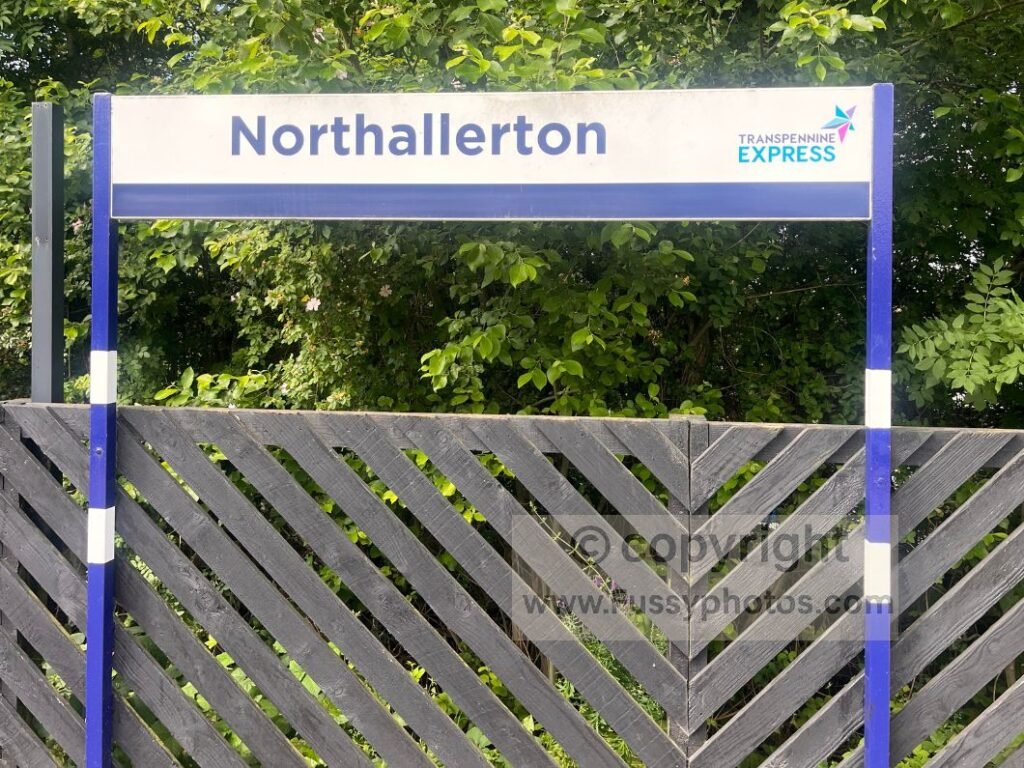
- Relying on trains? → Choose splits that begin or end at rail hubs: St Bees, Penrith (via Patterdale), Kirkby Stephen, Northallerton (via Ingleby Cross), Glaisdale.
- New to long‑distance walking? → Choose shorter southern sections — the Lake District has the most elevation, exposure and weather risk.
- Carrying a full backpack? → Choose splits that reduce elevation load.
- Walking with a day bag? → Choose longer sections — the farmland and moorland miles between Richmond, Ingleby Cross, and Glaisdale are fast and forgiving.
- Walking across seasons? → Shorter splits are easier to align with weather windows
- Prefer sightseeing? → Choose splits that allow time in Richmond, Grasmere, Grosmont, Whitby, and Robin Hood’s Bay.
- Want the cheapest option? → Choose fewer sections — two or three splits reduce transport costs.
- Want the most flexible option? → Choose four‑ or five‑section splits, which keep every break point close to a bus or rail hub.
If you want a clear picture of how each section actually feels underfoot — from steep Lake District passes to rolling Dales, long moorland miles and the final coastal approach — see my guide, What to Expect on the Coast to Coast Walk.
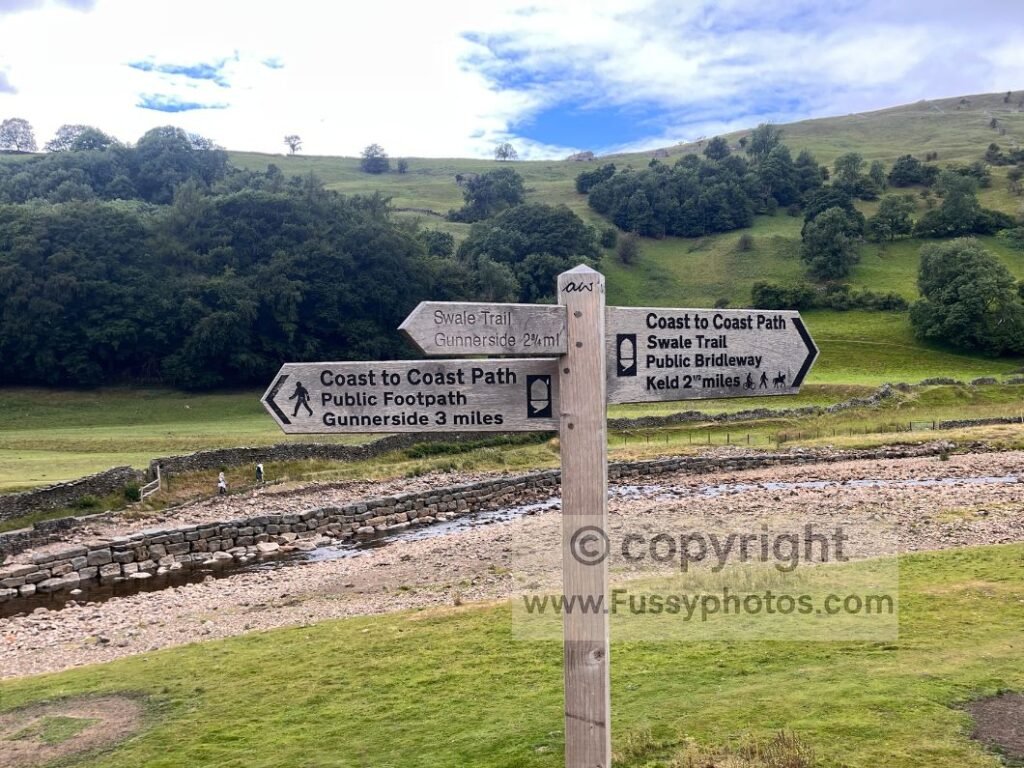
Coast to Coast Guides & Trip Reports
If you’d like to explore more stages, compare route options or dive into the planning guides, the Coast to Coast hub has everything in one place.