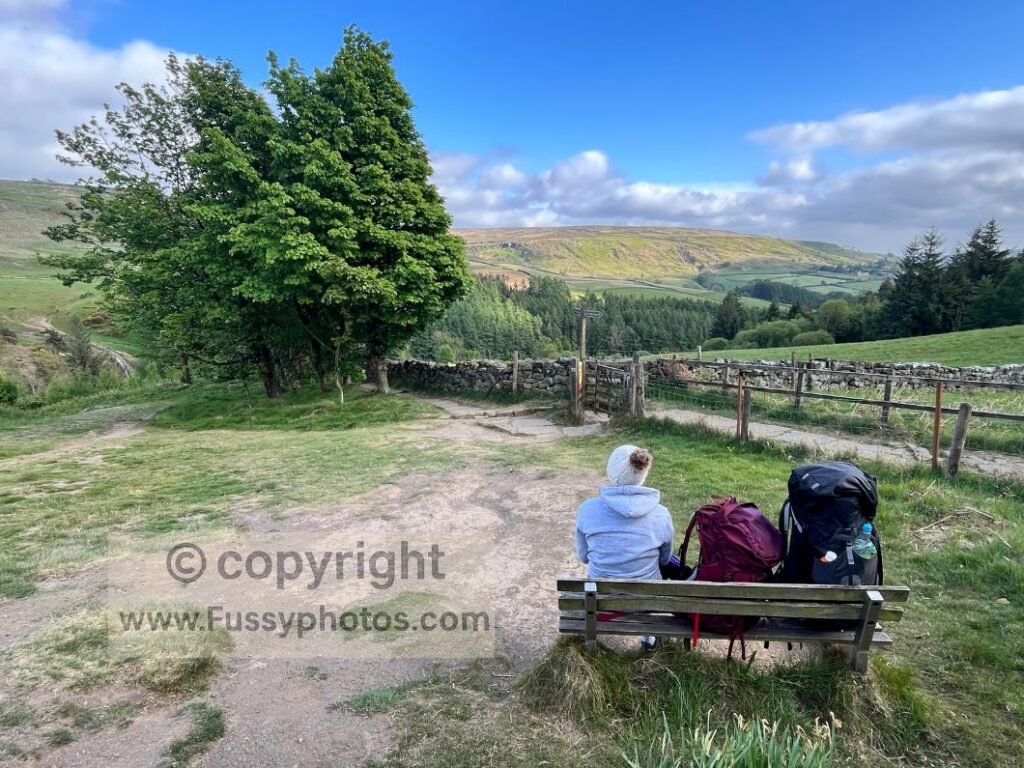
Planning your best Coast to Coast walk isn’t about copying someone else’s itinerary — it’s about shaping the journey around you. Too often, long‑distance walkers head online or open a guidebook and follow a schedule that doesn’t quite fit: the mileage feels too high or too low, the days feel rushed, the pack feels too heavy, or the walk becomes more about “getting it done” than actually enjoying the trail. The Coast to Coast is far too good a walk to be squeezed into someone else’s mould.
This guide helps you design a walk that matches your time, fitness, budget, walking style and appetite for adventure. Whether you want long days and early finishes at the pub, slow mornings and scenic detours, or a flexible mix of camping and B&B comfort, your choices shape the experience as much as the trail itself.
Step‑by‑step planning: questions to plan your Coast to Coast walk
1. How much time do you have to walk the Coast to Coast?
The first and most important question when planning your Coast to Coast is simple: how many days can you realistically give the walk? Your answer shapes everything else — daily mileage, how rushed or relaxed you feel, and how much time you have to enjoy places along the way rather than just passing through them.
Typical itineraries sit around 12–16 days, but they’re not a rulebook. A little short on time and happier walking long days than spending too much time alone in hotel rooms, I walked the Coast to Coast in 10 days. That pace suited me, but it won’t suit everyone. If you have tight family or work commitments, you may prefer a similarly faster schedule that matches your reality rather than someone else’s idealised itinerary.
Equally, you might have more time and want a more relaxed pace. Even 12 days still means an average of almost 16 miles per day, which can feel too much for some walkers — especially if you’re carrying a full pack or want time to explore places like Richmond, Grasmere or Grosmont rather than just ticking off miles. The key is to be honest about how many days you have and how you want those days to feel: focused and fast, or steady and spacious.
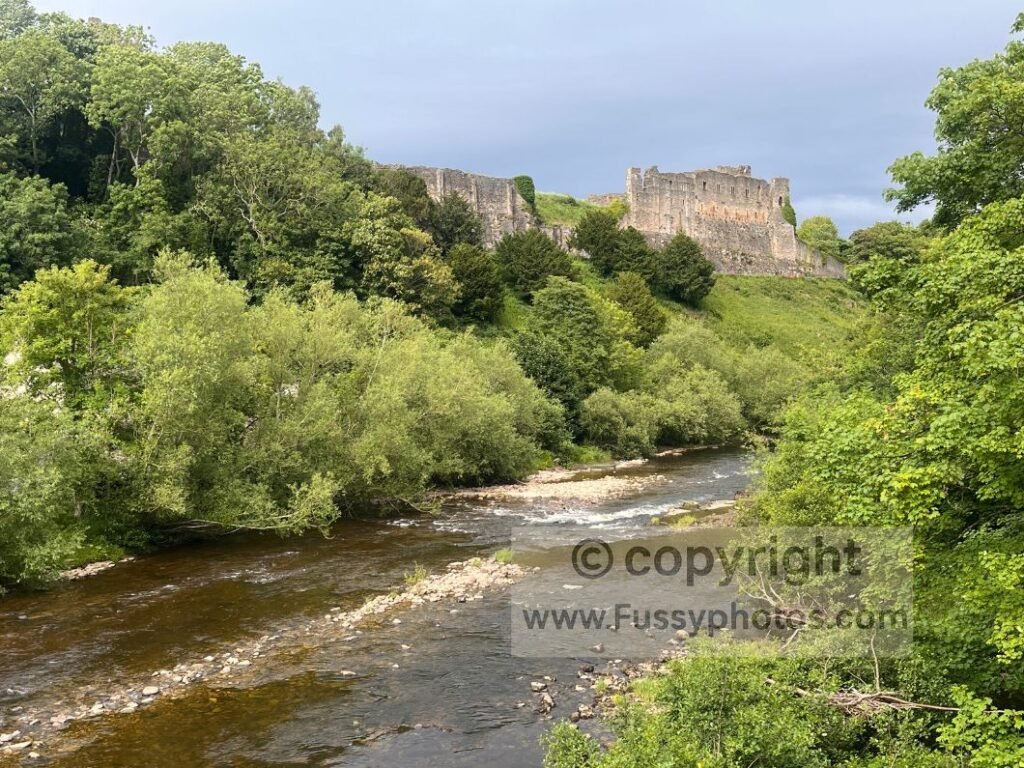
Once you know your total time, you can start shaping an itinerary that fits your life, your legs and your idea of a good day out. For detailed examples of different pacing options, see How to Split the Coast to Coast Into Stages.
A/B/C Decision: What Your Available Time Says About Your Itinerary
A) Limited time (10–12 days)
If you only have 10–12 days, you’re naturally choosing:
- longer daily mileage
- fewer rest days
- minimal sightseeing
- a faster, more focused itinerary
- camping or mixed accommodation if budget is tight
- west → east or east → west depending on preference
This aligns with the “mostly A” profile you’ll find in Turning your answers into a real itinerary.
B) Plenty of time (14–16+ days)
If you have 14–16 days or more, you’re choosing:
- shorter daily mileage
- space for rest days
- time for sightseeing (Richmond Castle, Grasmere, Grosmont Steam Railway)
- B&Bs or hotels for comfort
- baggage transfer if preferred
- west → east for an easier start
This aligns with the “mostly B” profile you’ll find in Turning your answers into a real itinerary.
C) Moderate time (12–14 days)
If you fall in the middle, you’re choosing:
- a hybrid itinerary
- a mix of long and short days
- occasional rest or sightseeing stops
- camping + B&B blend
- flexibility to adjust based on weather or energy
This aligns with the “mixed” profile you’ll find in Turning your answers into a real itinerary.
2. Accommodation on the Coast to Coast: what’s your budget and style?
Accommodation Variety Along the Coast to Coast
Accommodation is one of the biggest decisions you’ll make when planning your Coast to Coast, because it directly shapes pack weight, daily mileage, flexibility, and overall cost. Unlike many UK long‑distance trails, the C2C passes through frequent settlements — something Wainwright clearly had in mind — and over time a wide range of accommodation has grown around it. Most stages offer multiple options; a few have only one or two. Your preferred style will influence how early you need to book, how heavy your pack will be, and how far you can comfortably walk each day.
Choosing B&Bs, Hotels or Hostels
If your priority is a hot shower and a bed every night, you’ll need to plan your itinerary around the availability of B&Bs, hotels, hostels, and occasional pubs with rooms. Popular villages fill quickly, especially in summer. When I reached Ennerdale Bridge on my own walk, I overheard the pub owner telling a caller that the rooms were already full — a reminder that accommodation scarcity can force you to walk further than planned or detour off‑route to find a bed. Comfort comes with a price: staying in paid accommodation for the entire route can easily exceed £1,000, making budget a key factor for many walkers.
Camping for Flexibility and Lower Cost
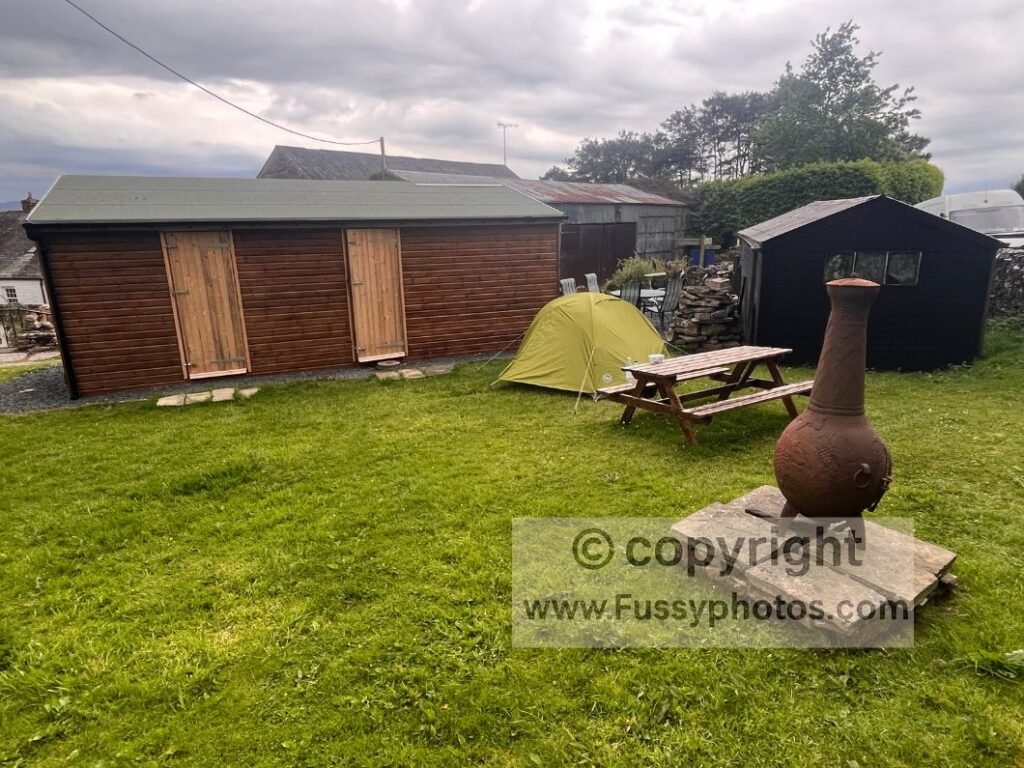
If cost is your main concern, or if you prefer independence and flexibility, camping becomes the natural alternative. Campsites are common along the route, and many walkers choose to camp entirely or mix camping with occasional B&B nights. The trade‑off is pack weight: carrying a tent, sleeping kit and cooking gear adds several kilos, which directly affects how far you can walk each day. A heavier pack slows your pace, increases fatigue, and makes steep passes feel significantly harder.
Wild Camping Considerations
Wild camping is possible along parts of the Coast to Coast, but it’s important to note that it is not legally permitted in England without landowner permission. Some sections offer discreet, suitable spots; others do not. If you’re considering wild camping, you’ll need to plan carefully, follow leave‑no‑trace principles, and carry the right kit. See my How to Pack for C2C: Campers vs B&B Walkers Guide for advice on camping and wild‑camping gear. This is one reason many walkers turn to baggage transfer (see 2.5 Baggage Transfer), though this again adds cost to your thru‑walk.
Your accommodation choice is one of the clearest indicators of whether you’ll follow a lighter, faster itinerary or a heavier, more conservative one. It’s a decision that shapes the entire walk — and it’s worth getting right before you move on to daily mileage.
A/B/C Decision: What Your Accommodation Choice Says About Your Itinerary
A) Camping / Mixed / Budget‑Focused
If you lean towards camping, wild camping, or a budget‑first approach, you’re naturally choosing:
- a heavier pack
- shorter daily mileage
- more conservative itineraries
- 10–14 day schedules depending on fitness
- flexibility to stop where you like
- lower cost, but more physical effort
This aligns with the “mostly A” profile you’ll find in Turning your answers into a real itinerary.
B) B&Bs / Hotels / Comfort‑Focused
If you prefer comfort, light packs, and predictable overnight stops, you’re choosing:
- a lighter day bag
- longer daily mileage
- 14–16 day itineraries with optional rest days
- higher cost, but easier walking
- more time for pubs, meals and sightseeing
This aligns with the “mostly B” profile you’ll find in Turning your answers into a real itinerary.
C) Mixed Approach
If you want some comfort and some flexibility, you’re choosing:
- a hybrid pack weight
- variable daily mileage
- 12–14 day itineraries
- camping + B&B blend
- balanced effort and cost
This aligns with the “mixed” profile you’ll find in Turning your answers into a real itinerary.
3. How many miles can you walk per day on the Coast to Coast walk?
Daily mileage is one of the biggest factors shaping your Coast to Coast experience. Your fitness will improve as you move along the trail, but it’s best to start with an honest question: how far can you — and how far do you want to — walk each day? Long‑distance walking feels very different from single‑day hikes. Back‑to‑back mileage builds cumulative fatigue, and your pack will almost certainly be heavier than on a typical day walk.
If you want a clearer sense of how difficulty varies across the route, you’ll find a full breakdown in Is the Coast to Coast Hard? (How to make it easier).
Pack Weight Changes Everything
Your earlier answers already hint at your likely pack weight. If you’re leaning towards a slower itinerary and a higher budget, you’re already choosing a lighter bag — B&Bs, hotels and baggage transfer reduce the load dramatically. If your answers point towards a faster pace and a lower budget, your backpack will need to compensate. At minimum, you’ll carry:
- a tent
- a sleeping bag
- a sleeping mat
And possibly:
- a stove
- fuel
- extra food
This additional weight has a direct impact on how far you can comfortably walk each day.
Food Availability Affects Mileage
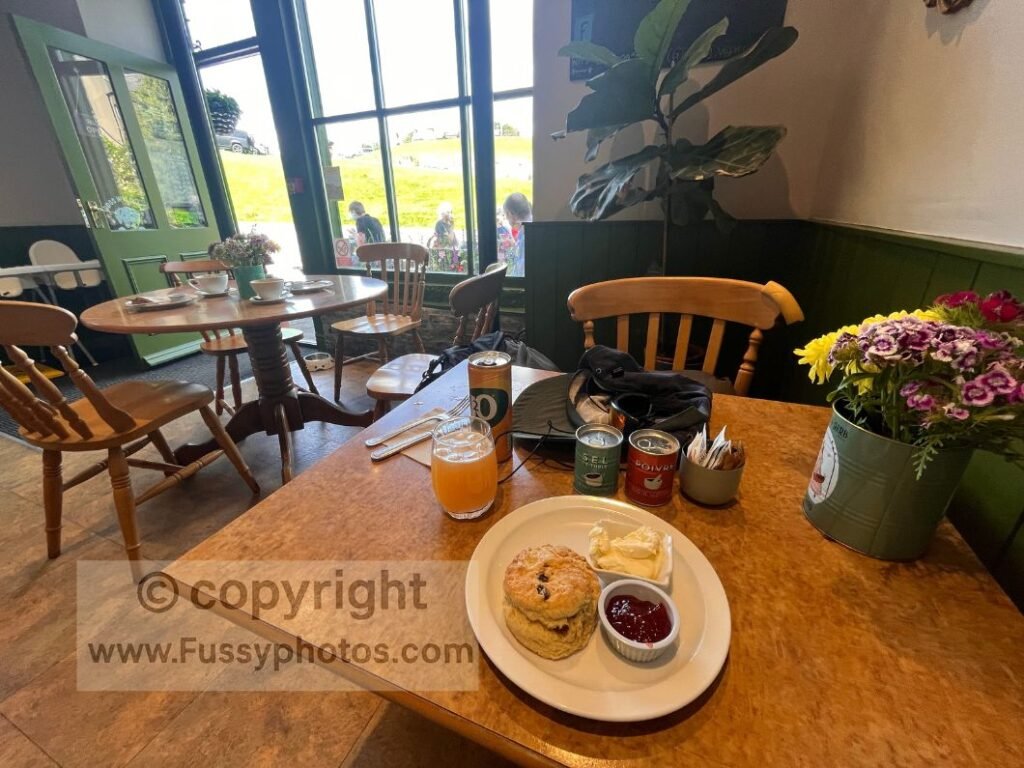
It’s possible to buy most of your meals along the route, but services can be seasonal and inconsistent. Even in summer, you’re not guaranteed food stops. On my own thru‑walk, I arrived in Shap at midday on a Monday to find every pub, shop and takeaway closed — except the Co‑Op at the north end of the village. If you rely on buying food daily, you may need to walk further than planned to reach open services.
Terrain and Direction Influence Your Pace
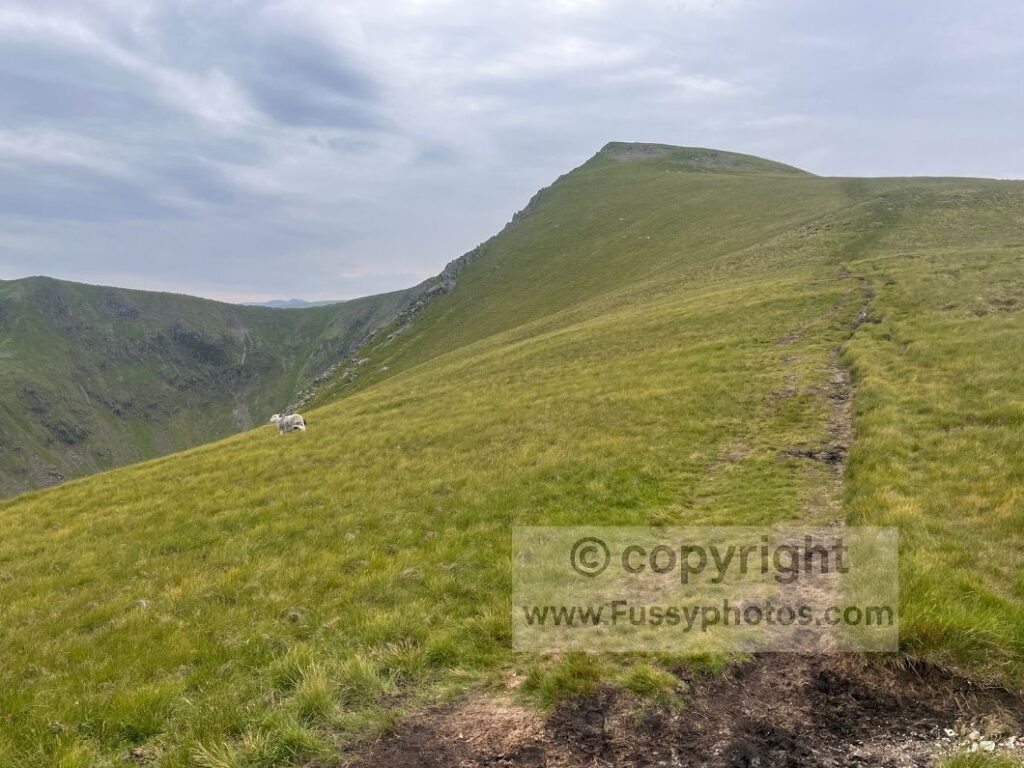
Your chosen direction also affects realistic mileage. Walking west → east, you reach the Lake District on Day 2 — and with it, steep passes and heavy elevation gain. Walking east → west, you build fitness across gentler terrain before hitting the Lakes later.
For multiple reasons, I walked east → west. I reached the Lake District towards the end of my journey when, despite walking the route in stages (see Q6 Sections vs Thru‑Walk), cumulative fatigue was setting in. Direction matters more than most walkers expect.
Weather, Daylight and Cumulative Fatigue
Other factors that influence daily mileage include:
- Weather — heat slows you down; rain and wind slow you even more
- Daylight — early spring and late autumn limit how far you can safely walk
- Cumulative fatigue — even strong walkers feel the strain after 5–7 days
- Terrain sequencing — long farmland days allow bigger mileage; moorland and mountain days do not
Mileage is personal — but self-honesty here is the difference between a walk that feels joyful and a walk that feels like a slog.
A/B/C Decision: What Your Daily Mileage Says About Your Itinerary
A) Higher mileage (18–22 miles per day)
If you’re comfortable walking 18–22 miles, you’re choosing:
- faster, more ambitious itineraries
- 10–12 day schedules
- days dominated by walking, which naturally limits sightseeing — you’ll spend most of each day on the trail rather than exploring villages, pubs or attractions
- rest days are still possible, but only if you answered in 2.1 Time that you have enough days available; if you’re short on time, rest days become unrealistic
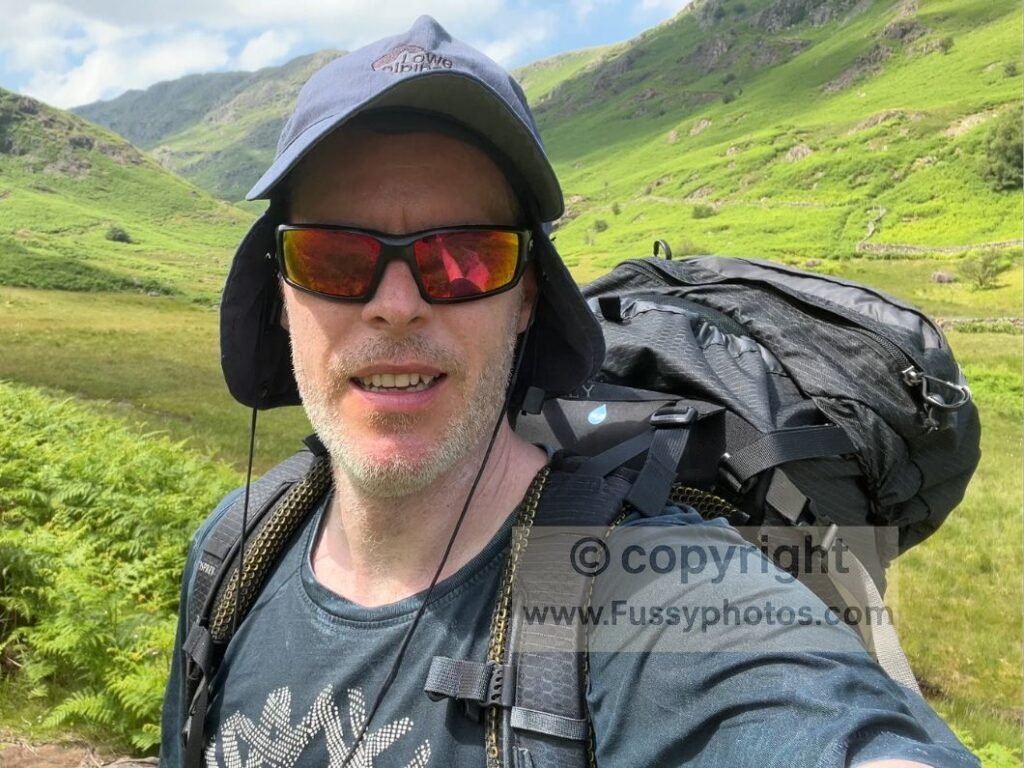
- a pack weight that suits your style — typically a day bag or baggage transfer, but high mileage is still possible with a full camping load. I averaged 20 miles a day carrying a full backpack, including tent, sleeping kit and food, but I walked the route in stages (see Q6 Sections vs Thru‑Walk), which helped reset fatigue and made longer days realistic
This aligns with the mostly A itinerary profile you’ll find in Turning your answers into a real itinerary.
B) Moderate mileage (12–16 miles per day)
If your comfortable range is 12–16 miles — especially with a full pack — you’re choosing:
- gentler itineraries
- 14–16 day schedules
- real space for rest days, unless you answered in Q1 that you have very limited time
- time for sightseeing, either on rest days or because moderate mileage leaves more of the day free
- more recovery time
- camping or mixed accommodation
This aligns with the “mostly B” profile you’ll find in Turning your answers into a real itinerary.
C) Variable mileage (a mix of shorter and longer days)
If you expect some long days and some short days, you’re choosing:
- a hybrid itinerary
- 12–14 day schedules
- flexible rest‑day options, unless Q1 indicated you have very limited time
- occasional sightseeing, usually on shorter days or rest days
- a mix of accommodation styles — camping is possible, but many walkers vary mileage simply by adding extra stops at places like Grasmere, Orton, or other natural break points
- adaptability to weather, terrain or energy
This aligns with the “balanced” profile you’ll find in Turning your answers into a real itinerary.
4. Will you take rest days or sightseeing days?
Most walkers take at least one rest day unless you answered in Q1 that they have very limited time or that you will walk the trail in stages (Q6). Sightseeing usually happens either on a rest day or on naturally shorter walking days — full walking days rarely leave much spare time.
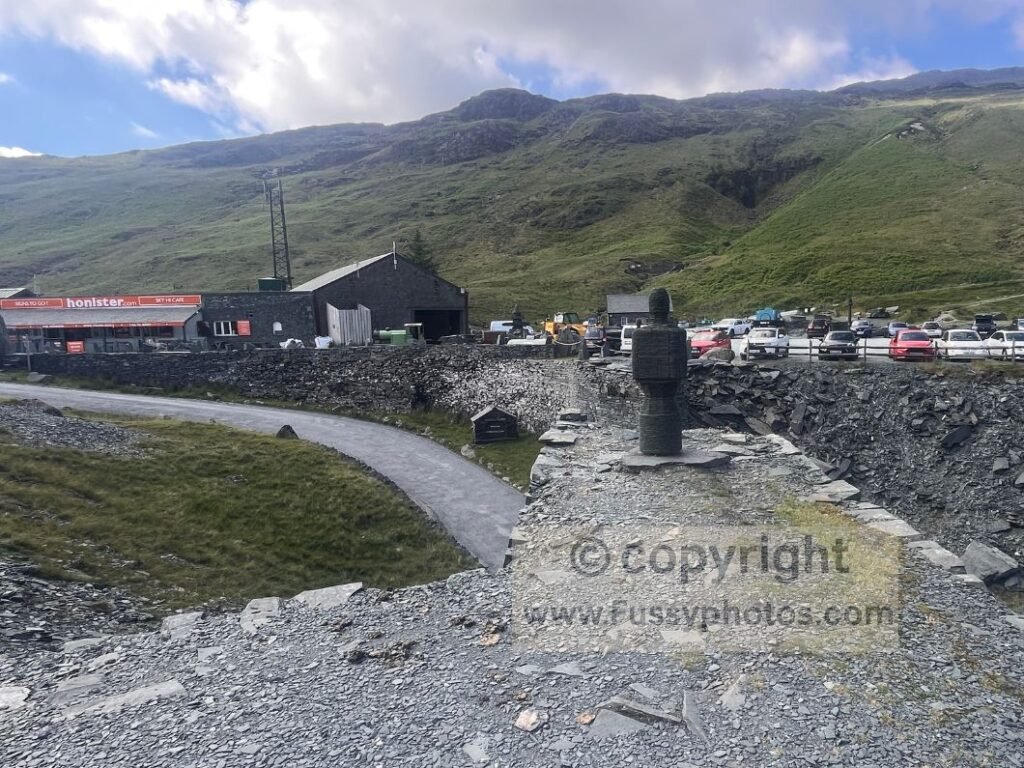
Typical sightseeing stops include Richmond Castle, the steam railway at Grosmont, a detour to Whitby (and the abbey), and the lakes and villages off the route in the Lake District, where villages and valleys invite slower exploration.
What this means for your itinerary
Taking a rest day adds cost and usually extends your itinerary by a day or two. Sightseeing can be cost‑neutral if you build it into a shorter walking day rather than adding an extra day to your schedule.
5. Will you carry a full pack on the Coast to Coast or use baggage transfer?
Carrying a full pack gives you complete independence, but it slows most walkers down — especially on long climbs, rough ground, or in hot weather. Using a baggage transfer keeps your daily load light, which usually means more comfort, more mileage, and more energy left at the end of the day.
A) Full pack with no baggage transfer
If you’re carrying everything yourself, you’re choosing:
- a more physical, demanding style of walking
- daily mileage shaped by your Q3 answer — high mileage is still possible, but fatigue builds faster
- slower pace on climbs and rough ground
- longer recovery time
- accommodation shaped by pack weight (camping or simple inns)
This aligns with the “mostly A” profile you’ll find in Turning your answers into a real itinerary.
B) Baggage transfer every day
If you prefer walking with a light daypack, you’re choosing:
- a more comfortable, less physical style of walking
- daily mileage shaped by your Q3 answer — lighter weight simply makes whatever mileage you chose easier to sustain
- more flexibility for detours or sightseeing on shorter days
- shorter or more efficient schedules if you chose higher mileage in Q3
- fixed accommodation each night, which increases cost compared to camping or mixed options
- no need to manage camping gear or carry heavy loads
This aligns with the “mostly B” profile you’ll find in Turning your answers into a real itinerary.
C) Mixed approach (some days full pack, some days transfer)
If you expect to switch between carrying and transferring, you’re choosing:
- a hybrid itinerary
- daily mileage that varies with pack weight — lighter days can be longer or include sightseeing
- flexibility to adapt to weather, terrain or energy
- balanced schedules that sit between fast and gentle itineraries
- mixed accommodation options, from camping to B&Bs, depending on the day
This aligns with the “balanced” profile you’ll find in Turning your answers into a real itinerary.
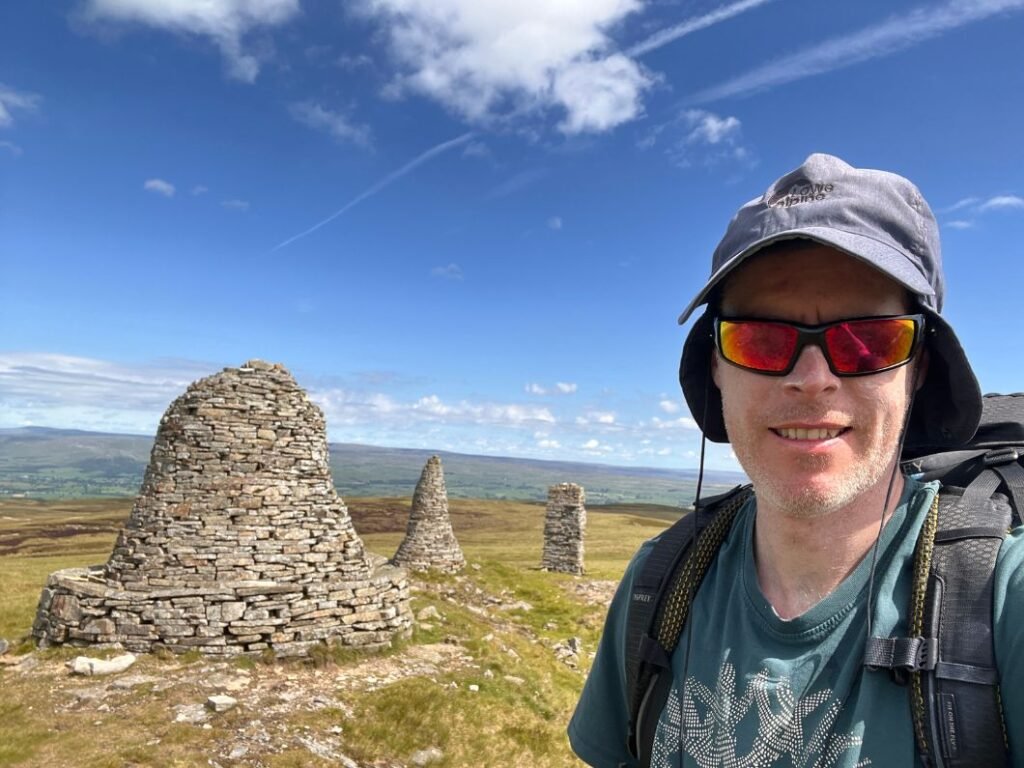
6. Will you walk the Coast to Coast in sections or one continuous thru‑walk?
Walking the Coast to Coast in one continuous push is the traditional approach, but section walking is a powerful alternative — and often a better fit for real life. Your choice here shapes fatigue, weather exposure, daily mileage, logistics, cost, and how flexible your walk feels.
Thru‑walking (one continuous journey)
A thru‑walk gives you the classic Coast to Coast experience: one start point, one finish point, and a steady rhythm that carries you across the Lakes, the Dales and the Moors without interruption.
The simplicity is appealing — fewer logistics, fewer train journeys, and a strong sense of momentum.
But continuous walking brings cumulative fatigue. I tend to feel a dip in energy and enthusiasm after 4 – 6 days, especially in poor weather or on long, hot days. Rest days help, but they add to accommodation and food expenses and extend your itinerary.
Section walking (splitting the route into multiple trips)
Section walking breaks the Coast to Coast into smaller, manageable chunks that fit around work, family and weather windows. It offers several advantages:
- You return to the trail physically fresh, which means you can often walk more miles per day before fatigue sets in.
- You can choose favourable weather windows, avoiding storms, heatwaves or heavy rain.
- You can optimise for long summer daylight, giving you more time to walk, rest or explore.
- You avoid the mental fatigue that builds during long continuous walks.
- You can stop at natural break points with good transport links (e.g., Kirkby Stephen, Richmond, Whitby).
The trade‑off is logistics: more travel, more train journeys, and the cost of returning to your last finishing point. But these costs often balance out against the price of rest days, extra accommodation and food on a continuous walk. If you want a clearer picture of every entry and exit point along the route, see Coast to Coast Transport: How to Reach Every Stage.
I’ve section‑walked four national trails. My personal tolerance is around 5–6 consecutive days, after which I prefer to reset — letting my body and enthusiasm return to peak levels before continuing.
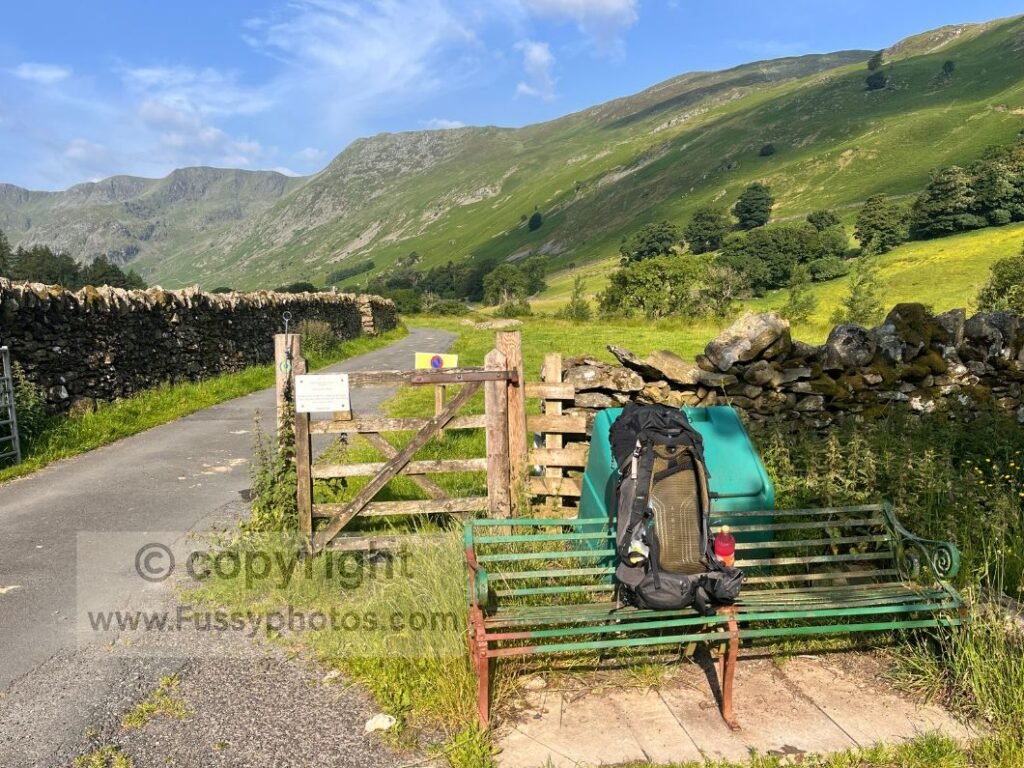
A/B Decision: How Your Thru‑Walk vs Section Choice Says Affects Your Itinerary
A) One continuous thru‑walk
If you prefer a single, uninterrupted journey, you’re choosing:
- a classic Coast to Coast experience
- steady momentum across all three regions
- cumulative fatigue after 5–7 days
- rest days if you want recovery
- fewer travel logistics
- a 10–16 day itinerary depending on your answers to Time and Mileage
This aligns with the mostly A itinerary in Turning your answers into a real itinerary.
B) Section walking
If you prefer breaking the route into multiple trips, you’re choosing:
- flexible weather windows
- fresher legs and higher motivation
- the ability to walk longer daily mileage before fatigue hits
- avoidance of poor weather (heatwaves, storms, heavy rain)
- longer summer daylight for extended walking time
- more travel logistics and return journeys
- 2–5 day chunks that fit around work and family
This aligns with the mostly B itinerary.
A) One continuous thru‑walk
Turning your answers into a real Coast to Coast itinerary
The Coast to Coast doesn’t have a single “correct” itinerary. It has three natural patterns, and your answers point clearly toward one of them.
If you answered mostly A: Fast, focused itineraries
You’re choosing:
- higher daily mileage
- fewer rest days
- lighter, more efficient stops
- a more physical style of walking
- a tighter schedule (often 10–12 days)
This style suits walkers who prefer momentum, early starts, and covering ground. You’ll spend most of each day on the trail, with less time in pubs, cafés or sightseeing stops. Camping or mixed accommodation often fits this profile well.
If you answered mostly B: Steady, comfort‑focused itineraries
You’re choosing:
- moderate daily mileage
- space for rest days
- time for sightseeing
- lighter packs (B&Bs or baggage transfer)
- a more relaxed schedule (often 14–16 days)
This style suits walkers who want to enjoy villages, pubs, viewpoints and detours without feeling rushed. You’ll have more recovery time, more flexibility, and more energy left at the end of each day.
If you answered mostly C: Balanced, hybrid itineraries
You’re choosing:
- a mix of long and short days
- flexible pacing
- varied accommodation (camping + B&Bs)
- adaptable mileage based on weather or energy
- a mid‑range schedule (often 12–14 days)
This style suits walkers who want freedom: some big days, some gentle days, and the ability to adjust the plan as the trail unfolds.
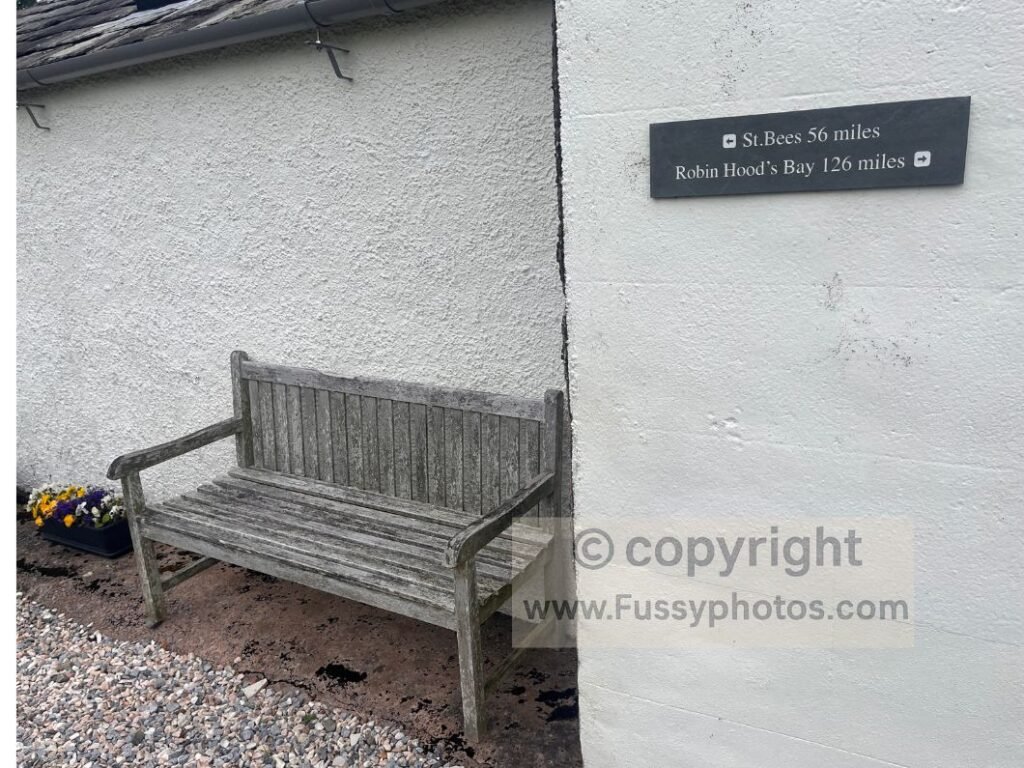
Additional factors that shape the feel of your Coast to Coast walk
Are you walking solo or with someone else?
Walking solo or in a group doesn’t usually change the structure of your itinerary, but it strongly influences daily mileage, pace, motivation, and how you spend time at the start and end of each day. The key is to be honest about your personality — and the personalities of the people you’re walking with.
Solo walkers
Solo walking gives you complete control over pace, breaks and decision‑making. For many walkers, this leads to longer mileage days, simply because:
- you stop when you want to stop
- you take fewer social breaks
- you spend less time in pubs, cafés or accommodation
- you can start early and finish early without negotiation
But solo walking isn’t automatically faster. Some walkers rely on the motivation of a partner to keep moving, especially on long or difficult days. Without that external push, solo walkers may:
- stop earlier
- take more breaks
- cover fewer miles
- struggle with morale in poor weather
Solo pace is highly personal — it depends on your temperament, not your fitness.
Group walkers
Walking with a partner or group creates a shared rhythm. In most cases, this means:
- daily mileage settles around the slowest walker
- more social time, which naturally reduces total mileage
- longer breaks in pubs, cafés and accommodation
- shared decision‑making, which can slow the day or smooth it
- higher motivation on tough days, which can help maintain pace
Groups often complete the Coast to Coast in more days, simply because social time replaces walking time — and because groups tend to prioritise shared enjoyment over maximum mileage.
What this means for your itinerary
Solo vs group walking doesn’t create a distinct itinerary profile, but it does shape:
- how far you prefer to walk
- how early you start
- how long you stop
- how much social time you build into each day
- how flexible your schedule feels
- how many days you’ll realistically need
If you know you prefer more miles, expect to finish in fewer days. If you know you enjoy pub time, slower mornings or longer breaks, expect to finish in more days. If your group values social time or rest days, expect a longer itinerary.
Know yourself. Know your group.
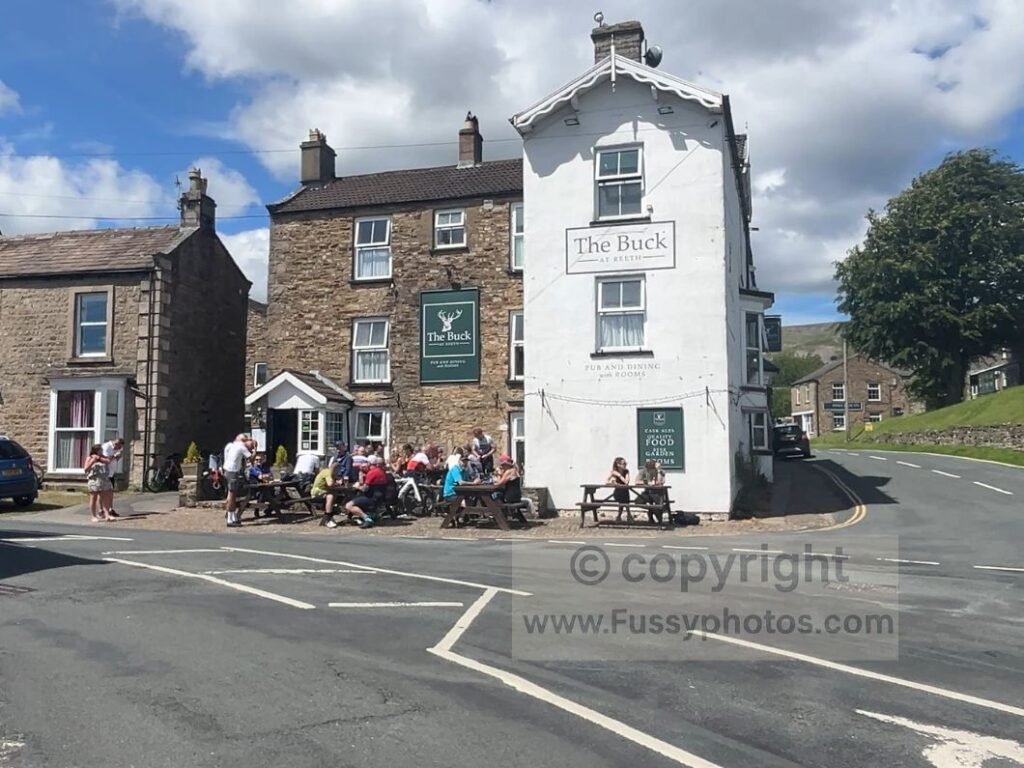
8 When will you walk the Coast to Coast?
Seasonality has a major impact on how the Coast to Coast feels, how busy it is, and how easy it is to plan. Your choice of season affects daylight, weather, ground conditions, camping availability, and how many services are open along the route.
Summer (June–August)
Summer is the busiest period on the Coast to Coast, and for good reason:
- Long daylight hours give you more time to walk, rest or explore.
- Warmer temperatures make camping easier and more comfortable.
- Ground conditions are generally drier, with less boggy terrain.
- Most services are open, including campsites, cafés, pubs and shops.
The trade‑off is crowding: popular villages, campsites and accommodation fill quickly, and the trail can feel busy in peak season.
Spring and Autumn (March–May, September–October)
Shoulder seasons offer quieter trails and cooler temperatures, but they come with practical challenges:
- Shorter daylight limits how far you can safely walk.
- More variable weather — storms, cold snaps, heatwaves and heavy rain are all possible.
- Ground can be wetter and boggier, especially in early spring.
- Some services shut down, including campsites, hostels and seasonal cafés.
When I began my own thru‑walk in March, several campgrounds I planned to use were still closed for the season and weren’t due to open until 1 April. Early‑season walkers must plan carefully.
Winter (November–February)
Winter walking is possible but challenging:
- Very short daylight
- High likelihood of storms, snow, ice and strong winds
- Many services closed
- Boggy ground and difficult stream crossings
- Limited camping options
Only experienced walkers with strong navigation skills should consider winter itineraries.
What this means for your itinerary
If you want long days, flexible mileage and easy camping, summer is ideal. If you prefer quieter trails and cooler temperatures, spring or autumn work well — but require more planning. If you walk in winter, expect a more serious, technical experience.
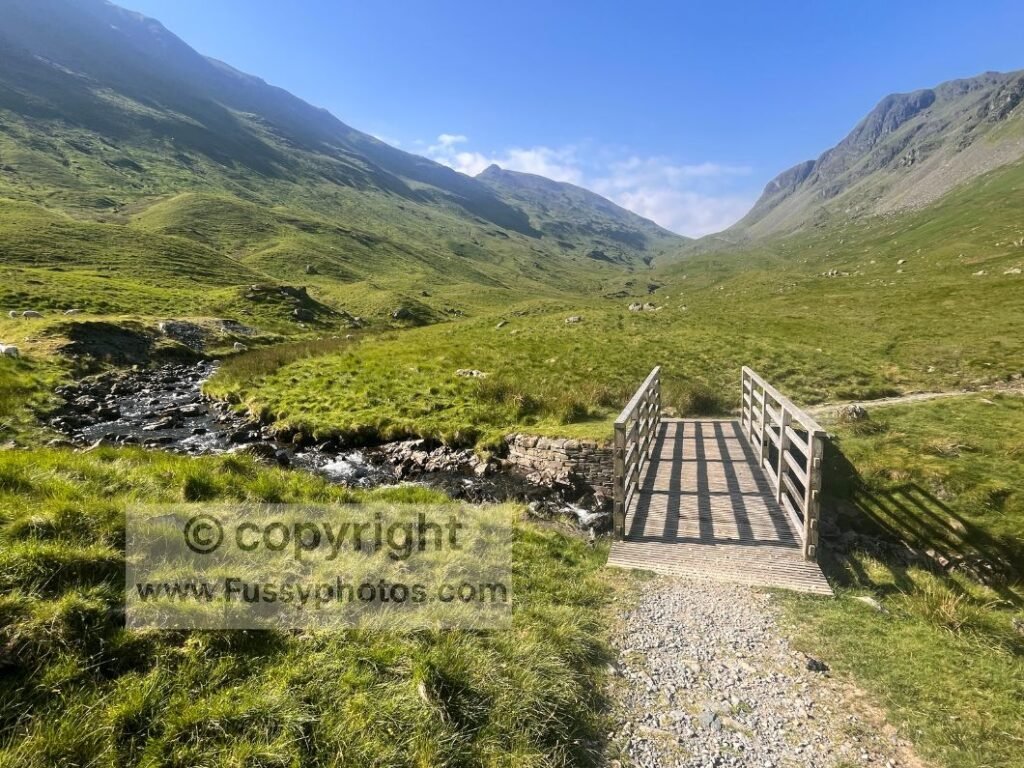
9. Which direction should you walk the Coast to Coast: east‑to‑west or west‑to‑east?
Direction changes the feel of the Coast to Coast more than most walkers expect. It affects terrain sequencing, weather exposure, psychological pacing, and how difficult the first week feels.
East → West (St Bees → Robin Hood’s Bay)
This is the traditional direction. It gives you:
- a harder start through the Lake District
- steep climbs early, before your legs have warmed up
- a classic, emotional finish at Robin Hood’s Bay
- a sense of “crossing England” from mountains to coast
Walkers who choose this direction often prefer a tough opening week and a gentler finish.
West → East (Robin Hood’s Bay → St Bees)
This is the gentler start. It gives you:
- easier early days across the Moors and Dales
- the Lake District as the final challenge
- better weather windows for the Lakes later in summer
- quieter early stages
Walkers who choose this direction often prefer to build fitness gradually and finish with big mountain days.
Which direction should you walk the Coast to Coast Walk?
Direction is a preference, not a structural decision. Choose the one that fits your walking style:
- If you prefer a tough start and an iconic finish → east → west
- If you prefer to warm up gradually and finish with mountains → west → east
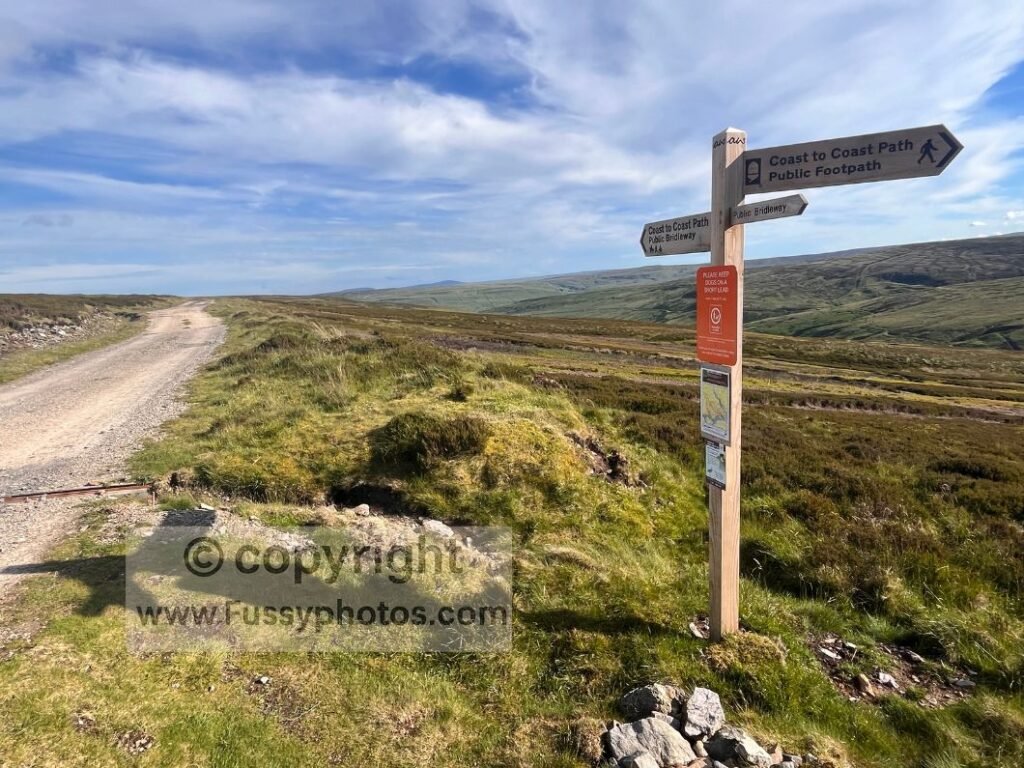
Conclusion: Build the Coast to Coast Walk That Fits You
The Coast to Coast is at its best when it’s shaped around your time, your fitness, and your walking style. Once you’ve answered the key planning questions — daily mileage, accommodation, pack weight, time available, and whether you’ll walk in sections or as a thru‑walk — the route becomes personal. There’s no single “correct” way to cross England from St Bees to Robin Hood’s Bay.
Use your choices to build an itinerary that feels sustainable, spacious and enjoyable. A walk shaped around your reality — not someone else’s schedule — gives you the freedom to experience the Lake District, the Yorkshire Dales, the North York Moors, and the coast with the energy and enthusiasm they deserve.
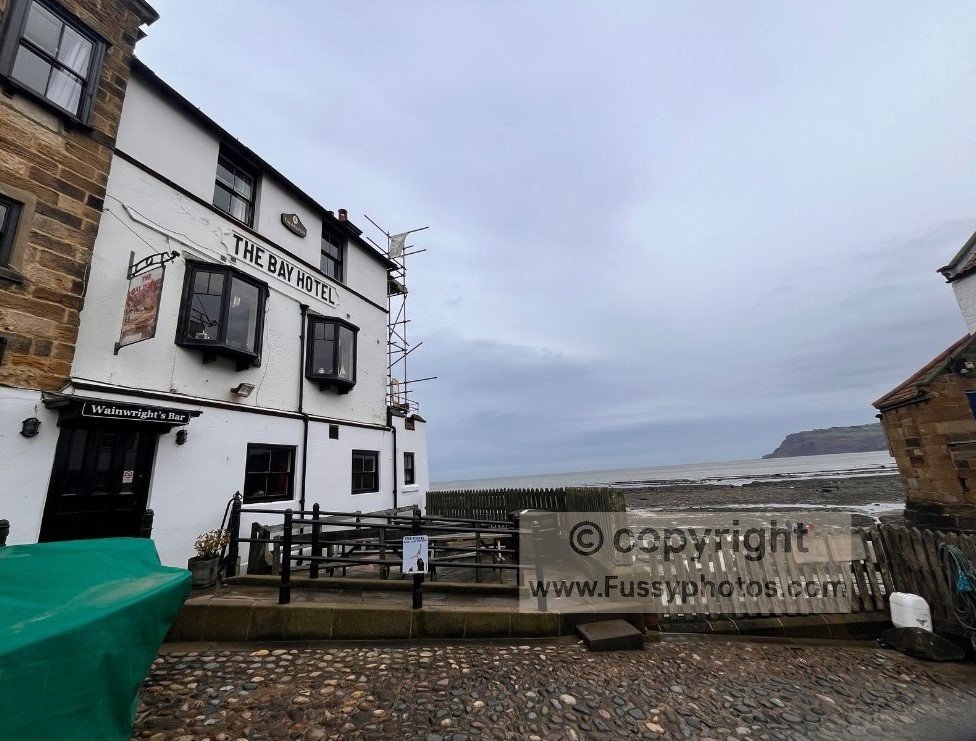
Continue Your Coast to Coast Journey
If you’d like to explore more stages, compare route options or dive into the planning guides, the Coast to Coast hub has everything in one place.