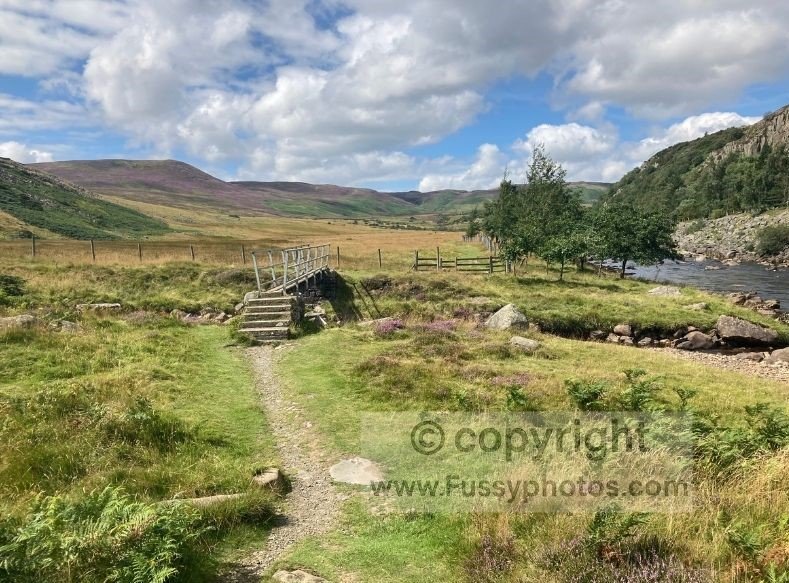
Starting something new is often the hardest part — and the Pennine Way comes with enough fears to put many walkers off. If you’ve ever thought:
- “It’s too long.”
- “The weather will be awful.”
- “Navigation will be hard.”
- “I’m not fit enough.”
- “It’s too remote.”
…you’re not alone. Every long‑distance walker has had these thoughts, and most of them turn out to be far less of a problem than you’d expect.
This simple beginner’s guide breaks down the common worries and shows how you can try the Pennine Way in short, manageable sections — without committing to the full 268 miles.
Common Fears (and Why They Don’t Need to Stop You)
“It’s too long.”
It is long — but you don’t need to walk it in one go. Many walkers (myself included) complete the Pennine Way in short stages, either over weekends or spread across the year.
Although some stretches are remote, the trail crosses several train lines and main roads, making it easy to return home after a few days or bail out if needed.
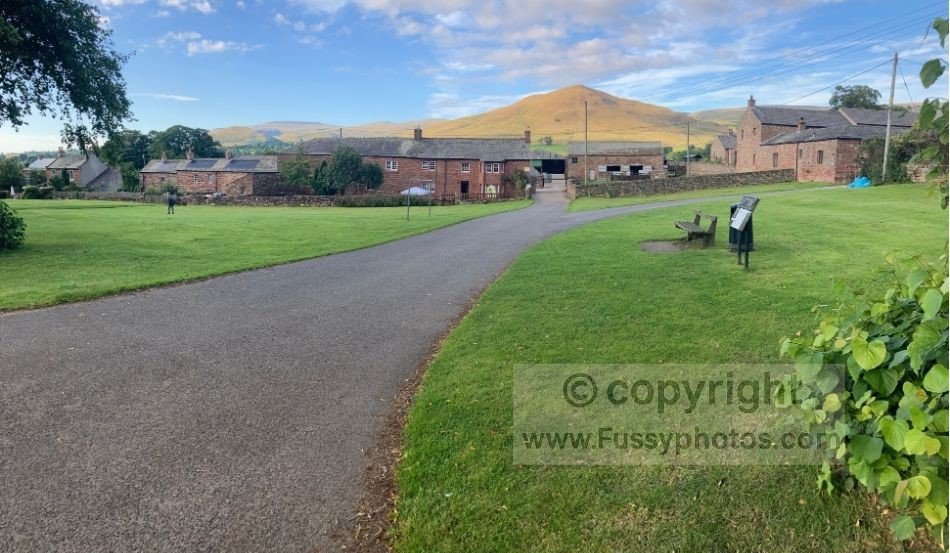
“The weather will be awful.”
You’d be lucky to walk the Pennine Way without some rain or fog, but with decent clothing you’ll be fine. B&Bs along the route are usually happy to dry wet gear.
Some people walk the trail in winter, but summer gives you the best chance of long days, clearer paths and drier weather.
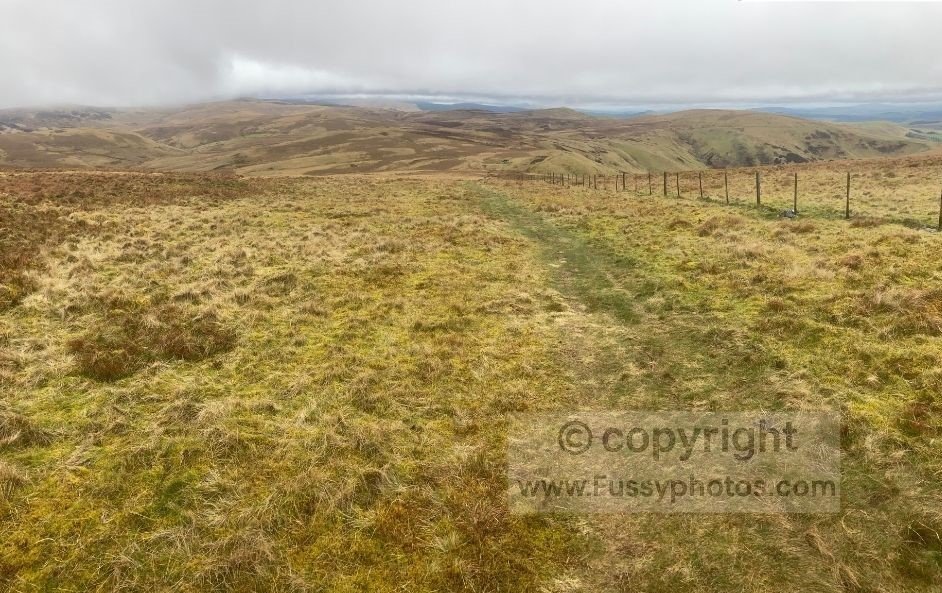
“Navigation will be hard.”
The Pennine Way is generally well waymarked, and modern mapping apps make navigation far easier. You can download maps to your phone and check your location even without signal.
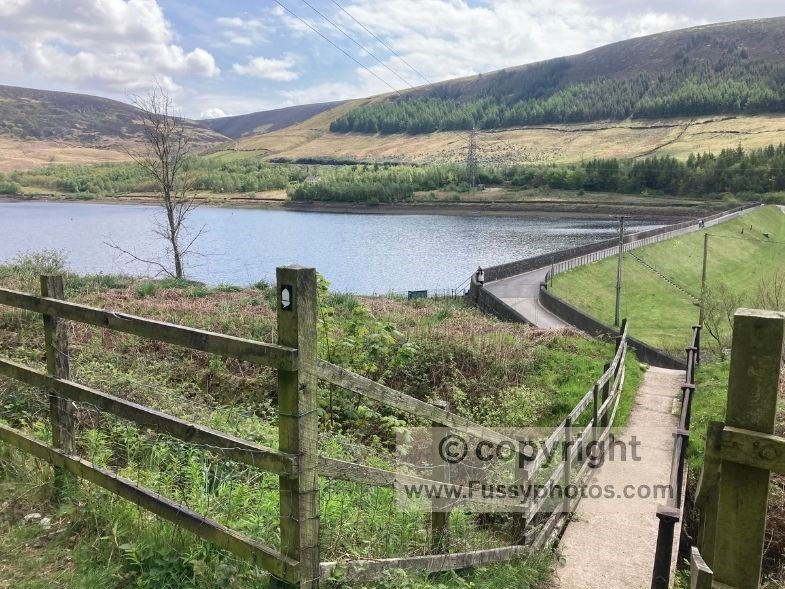
By the time you reach the more remote sections, you’ll already have built confidence over several days.
If you want a clearer picture of what the trail is like to follow day‑to‑day, my guide Is the Pennine Way Easy to Navigate? explains it in detail.
“I’m not fit enough.”
It’s sensible to be able to walk at least 10 miles in a day. Carrying a multi‑day pack slows everyone down, and consecutive days can be tiring — even for experienced walkers.
The simplest solution is to walk the trail in short 2–3 day stages until you’re fit enough for longer stretches.
For a short, confidence‑building introduction to the trail, my Pennine Way Beginner Weekend in the Peaks is the simplest way to test 10‑mile days before committing to longer stages.
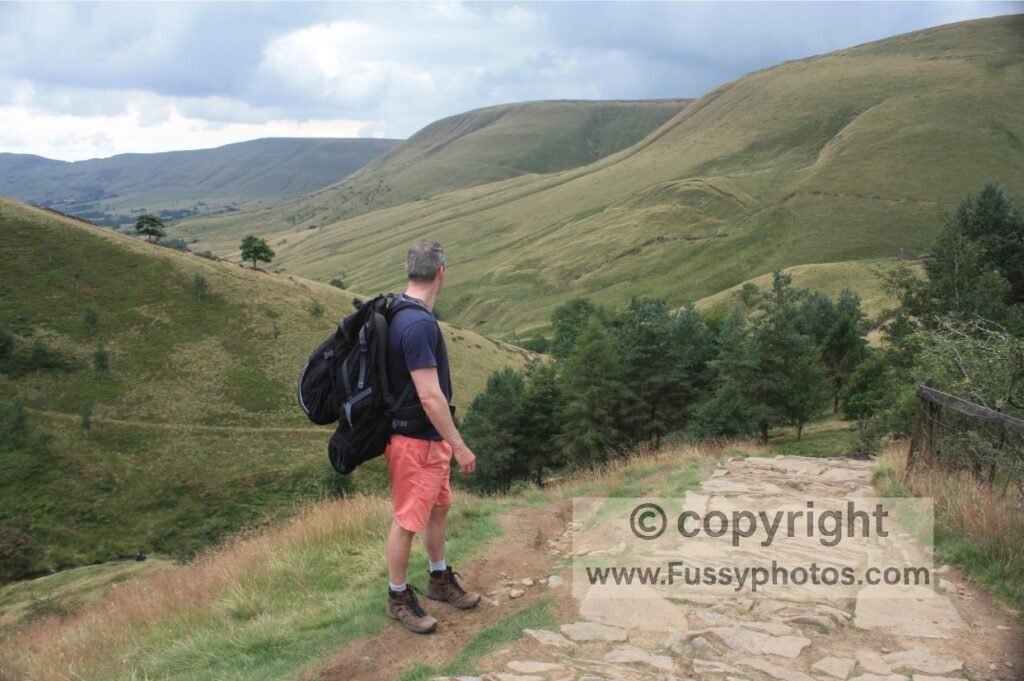
“It’s too remote.”
Some days end in villages or small towns with accommodation, shops and cafés supported by Pennine Way walkers. Other sections are more isolated, which can make staged walking trickier.
If you’re relying on public transport, see my Accessing the Pennine Way by Train page for ideas. The National Trails website also lists accommodation along the route.
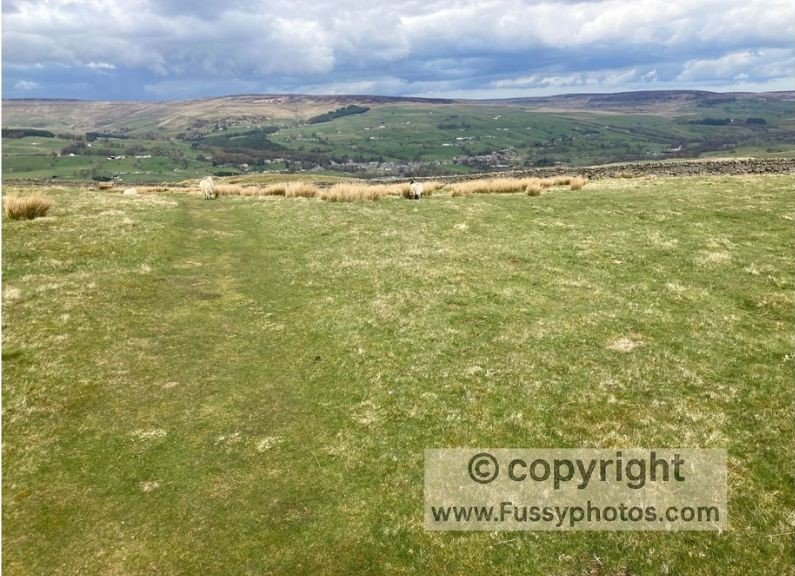
The Easiest Way to Try the Pennine Way: A Two‑Day Weekend
If you want to experience the Pennine Way without committing to the whole trail, the best beginner‑friendly option is a two‑day stretch with:
- a train station at the start
- a train station at the end
- a campsite or B&B halfway
This gives you a safe, low‑pressure introduction to long‑distance walking.
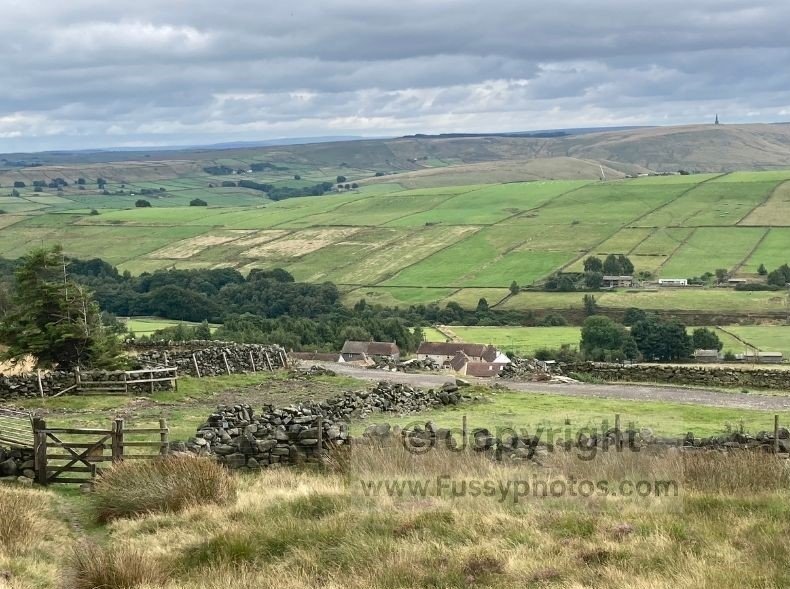
What You’ll Learn on a Two‑Day Test Walk
As this was my first long‑distance trail, the biggest difference I noticed was between day walking and carrying a multi‑day pack. The cumulative tiredness is real — and valuable to experience early.
You can sometimes leave the trail to find food or buy a packed lunch for the next day. For example, after walking from Edale to Crowden, I took a taxi into Glossop for a pub dinner. But not every section offers this, so a two‑day test walk is a great chance to practise:
- using your stove
- trying your camping gear
- testing your backpack under real conditions
I discovered my pack was completely unsuitable — poor hip support meant the weight sat badly and caused back pain. Better to learn this on a two‑day test than halfway through a remote stretch with no alternatives.
If you’d like a simple breakdown of what to bring (and what you definitely don’t need), my Essential Packing List for a Section Walk keeps things clear and manageable.
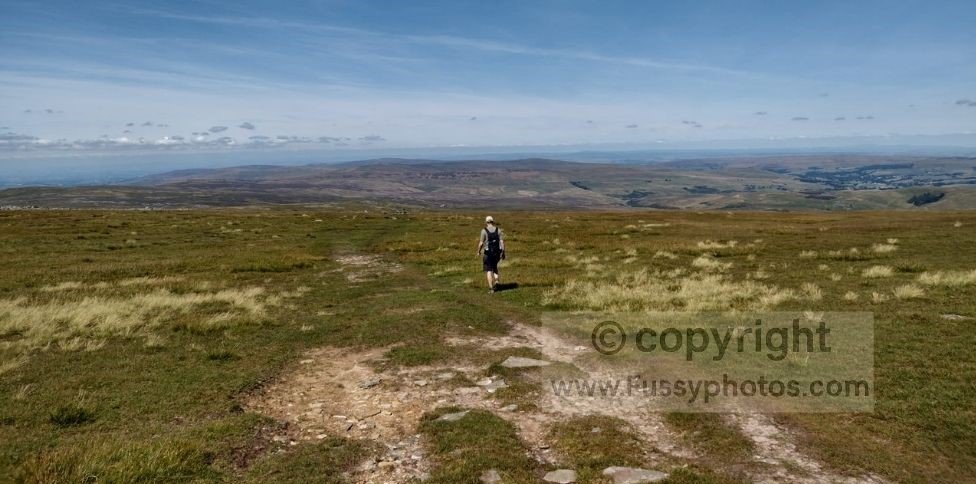
What You Don’t Need to Worry About
- You don’t need to wild camp
- You don’t need elite fitness
- You don’t need expensive gear
- You don’t need to walk fast
- You don’t need to commit to the whole trail
A short test walk lets you sample the Pennine Way, stay somewhere comfortable, and build confidence. If you later decide to invest in new walking or camping gear, you’ll know exactly what worked and what didn’t — and any good outdoor shop can help you refine your setup.
Next Steps for Pennine Way Beginners
If you’re ready to take the next step, try one of these beginner‑friendly pages:
Each one is designed to help you build confidence, choose the right section, and enjoy your first taste of the Pennine Way.
If you’d like a bit of inspiration before choosing your first section, my Top 10 Highlights of the Pennine Way gives a simple, uplifting look at the best moments along the trail.