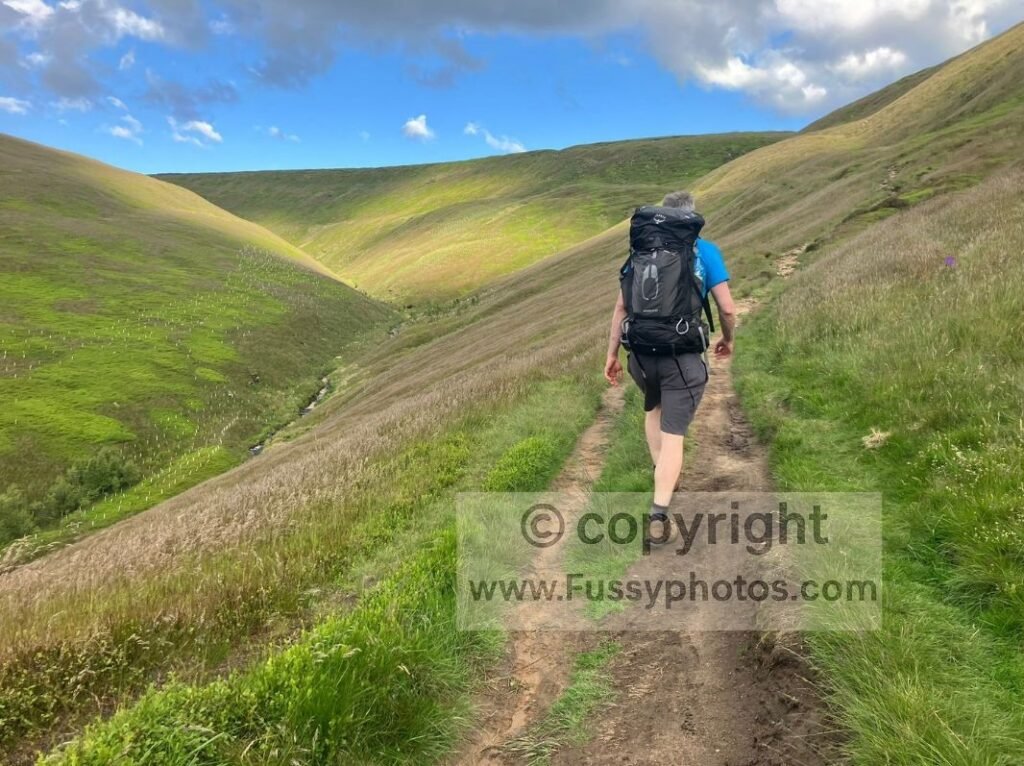
Walking a section of the Pennine Way — whether that’s Edale to Malham, Malham to Dufton, or Greenhead to Kirk Yetholm — means carrying enough kit to stay safe, warm and self‑sufficient across several long days. This list is designed for section walkers, not full thru‑hikers or weekend walkers, and includes everything you need whether you’re staying in accommodation or mixing in campsite nights.
Walkers tackling the full 268‑mile Pennine Way pack slightly differently to section walkers. Over three weeks on the trail, weight becomes critical, so thru‑hikers tend to strip their kit down to the lightest possible versions of everything: ultralight tents, minimal cooking setups, fewer spare clothes and smaller wash kits. They also carry more repair items, more battery capacity, and often a more robust first‑aid kit because resupply points are less frequent. In contrast, section walkers can afford a little more comfort, knowing they’ll resupply or reset every few days.
How Pennine Way Section Packing Differs from a Full Thru‑Hike
If you’re only walking a section of the Pennine Way, you can afford to carry a little more comfort. You’ll be resupplying every few days, drying kit overnight, and resetting at towns like Hebden Bridge, Malham or Bellingham. A slightly heavier sleeping bag, a fuller wash kit or a more robust stove setup won’t hold you back.
If you’re planning your walk in shorter chunks, my How to Break the Pennine Way into Walkable Stages guide offers several practical 2–5 day splits.
If you decide to walk the full 268 miles, you’ll need to think differently. Over three weeks, every gram matters. You’ll likely switch to ultralight shelter, minimal cooking gear, a tiny wash kit and fewer spare clothes. You’ll also carry more repair items and extra battery capacity because resupply points are less frequent. The aim is simple: keep your pack light enough to stay comfortable day after day.
Why Packing Matters on the Pennine Way
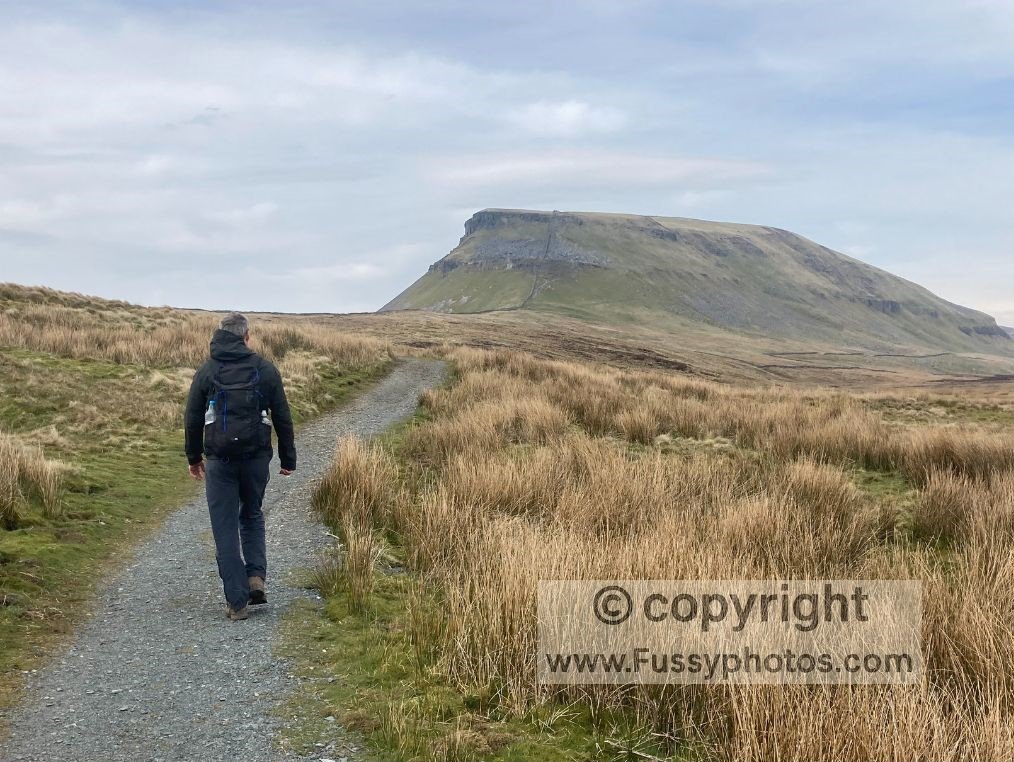
The Pennine Way crosses exposed moorland, remote valleys and long stretches without services. Weather changes quickly, and water sources can be unreliable. A well‑packed bag makes the difference between a comfortable multi‑day walk and a difficult one.
If you want a wider look at why good kit matters on this trail, my Is the Pennine Way Hard? guide breaks down the main challenges and how to prepare for them.
Essential Kit for Every Pennine Way Section
Navigation & Safety
- OS map (correct sheet for your section)
- Compass
- GPS app installed on your phone
- Power bank and cable
- Mobile phone charger
- Headtorch
- Whistle
- Emergency foil blanket
- Waterproof map case or zip‑lock bag
If you want a clearer sense of how the trail is waymarked in real conditions, my Pennine Way Navigation Guide explains what the signage, paving stones and moorland cues look like on the ground.
Clothing & Footwear
- Good walking boots
- Walking socks (one per day plus a spare pair)
- Waterproof jacket
- Waterproof trousers
- Warm mid‑layer
- Quick‑dry base layers
- Hat and gloves
Overnight Kit (Hostels, B&Bs and Bothies)
If you’re staying indoors, you won’t need a full camping load, but you will still want lightweight overnight kit.
- Sleeping bag (3‑season recommended for northern sections)
- Sleeping bag liner
- Lightweight pillow (optional)
- Microfibre towel
- Earplugs (hostels and bothies)
- Minimal wash kit
Camping Kit (If Your Section Includes Campsites or Wild Nights)
Sleeping
- Sleeping mat
- Sleeping bag
- Camping pillow (or stuff sack with clothes)
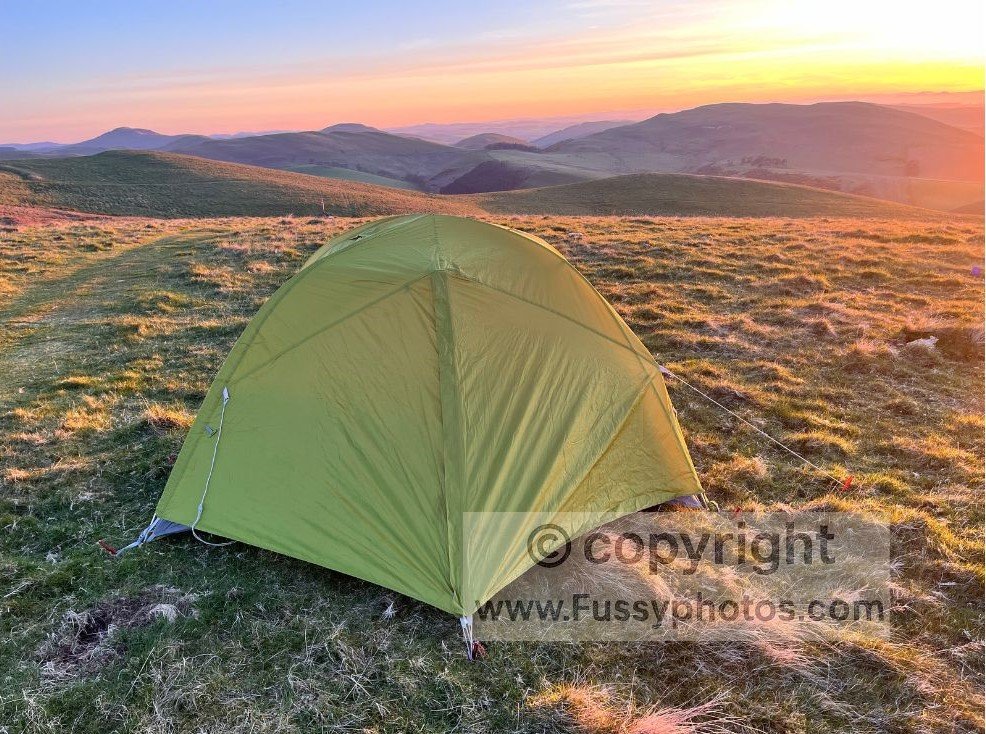
- Tent or bivvy
Cooking & Water
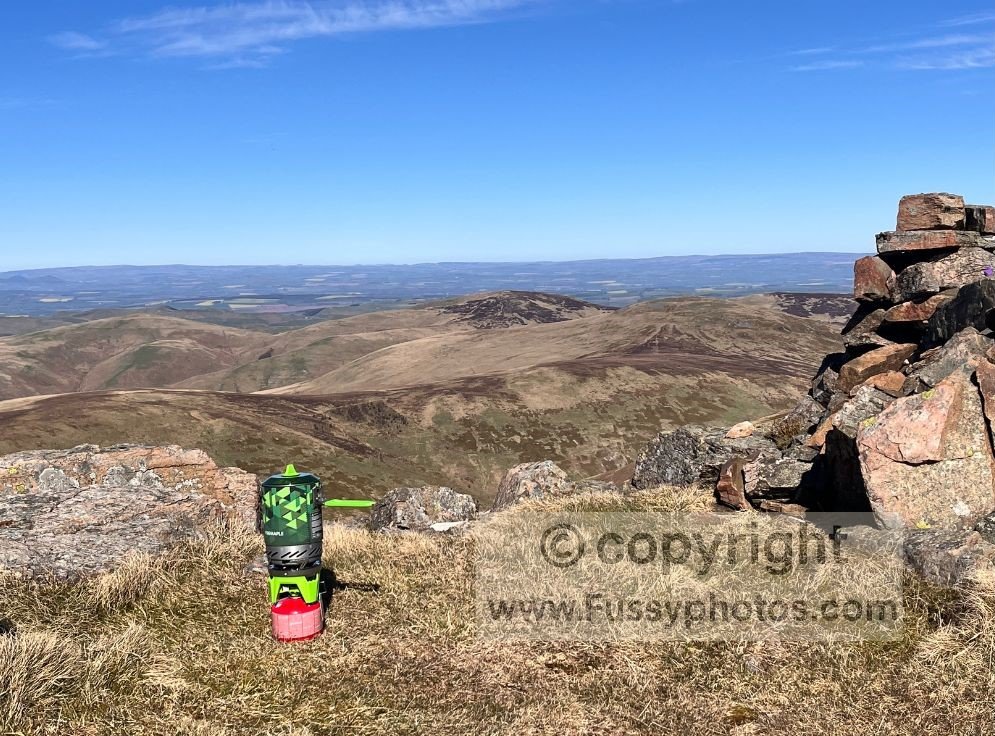
- Cooking stove
- Dry meals / pasta / rice
- Lightweight bowl and spoon
- Matches (backup ignition)
- Water bottles
- Note: You cannot rely on water filters on the Pennine Way — many sources are peaty, stagnant or livestock‑affected. Carry what you need.
Food & Snacks for Multi‑Day Sections
- High‑calorie snacks
- Lunch items
- Breakfast options
- Electrolytes (optional)
- Emergency rations (e.g., flapjack, nuts)
Hygiene & Personal Items
- Toilet roll
- Hand sanitiser
- Bags for rubbish
- Small trowel (if wild toileting)
- First aid kit
- Blister plasters
- Pain relief tablets
- Sunscreen
Optional but Useful Extras
- Walking poles
- Sit mat
- Spare base layer
- Sunglasses
- Small repair kit (duct tape, needle and thread)
- Lightweight book
How to Pack Your Bag for Long Pennine Way Days
A well‑packed bag carries better and keeps essentials accessible.
- Place heavy items close to your spine
- Keep waterproofs near the top
- Snacks and map in outer pockets
- Tent poles stored vertically
- Electronics in waterproof bags
Weather on the Pennine Way: What to Prepare For
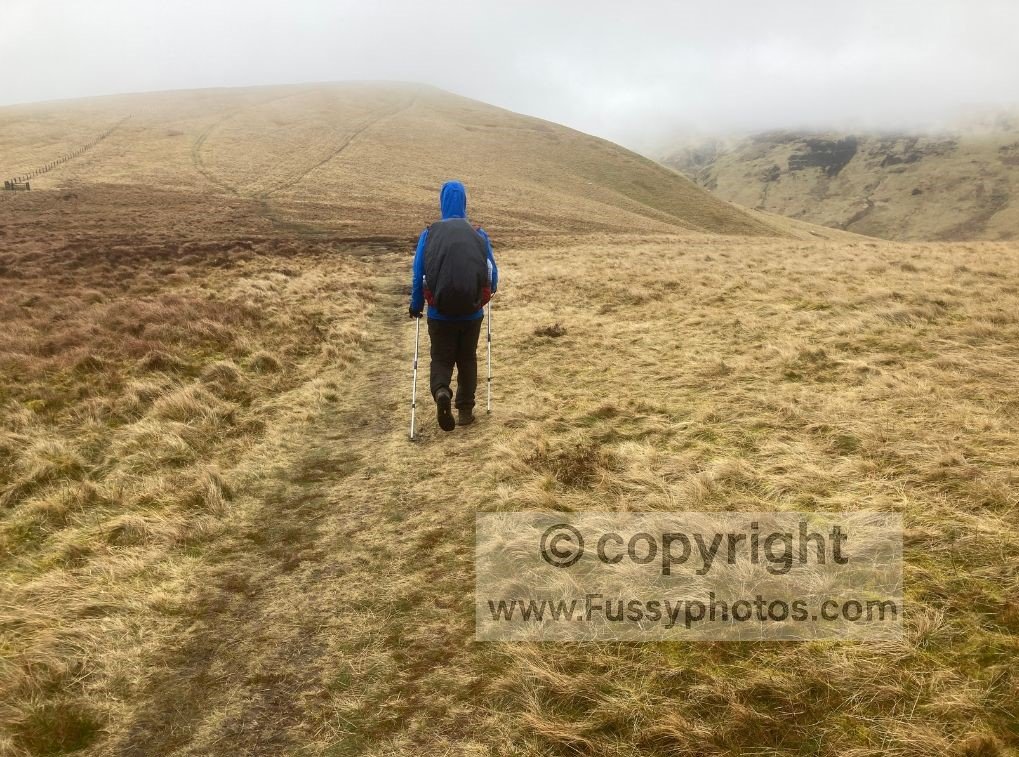
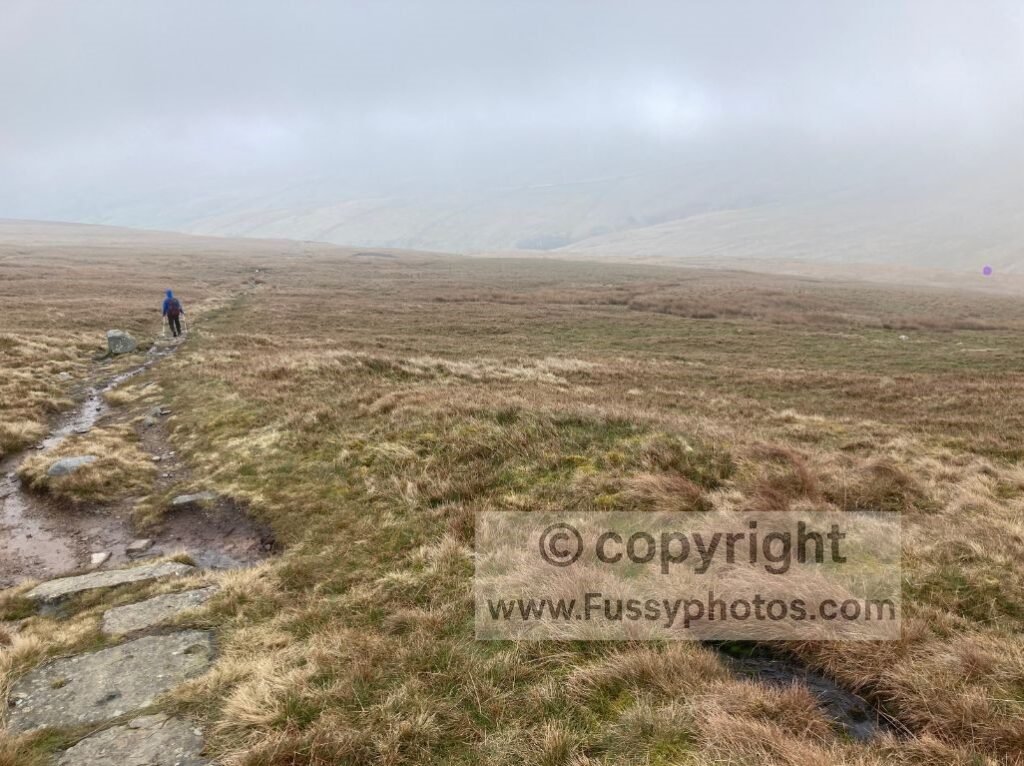
Expect rapid changes, strong winds on exposed moorland, cold summits even in summer, and boggy ground after rain. Waterproofs are essential, and warm layers are needed year‑round.
I talk more about how weather shaped my own experience in Hardest Parts of the Pennine Way (Ranked).
FAQs
What is a “sleep system”?
Your sleep system is the combination of tent or bivvy, sleeping bag, and sleeping mat that keeps you warm, dry and comfortable on campsite or wild‑camp nights. In general, the more you pay, the better the performance: lighter materials, smaller pack size, and higher warmth‑to‑weight efficiency.
For UK spring–autumn conditions, the ideal setup is a lightweight sleeping bag with a low comfort rating (rather than relying on a heavy winter bag), paired with a sleeping mat that has a high R‑value to insulate you from cold ground. This combination gives you warmth without unnecessary bulk, which makes a noticeable difference on long Pennine Way days.
What size backpack do I need?
For multi‑day Pennine Way sections, a 65–70 litre pack is ideal. It gives enough space for camping gear, food, waterproofs and warm layers without forcing you to strap everything to the outside.
How much water should I carry?
Carry 2–3 litres depending on the weather and your section. Do not rely on water filters — many Pennine Way sources are peaty, stagnant or livestock‑affected. Treat streams as a bonus, not a plan.
How do I manage food on a section walk?
Most Pennine Way sections pass at least one pub, café or village shop, so you can usually top up snacks or grab a hot meal each day. But not every stage has services, and some long moorland crossings have nothing at all, so you should still carry enough food to get you through the full day.
Bring a lightweight stove, fuel, and simple meals like pasta, rice, noodles or dehydrated packets if you’re camping. For long days, pack calorie‑dense snacks such as flapjack, nuts, dried fruit and chocolate. This gives you flexibility: you can enjoy pub meals when they appear, but you’re never dependent on them.
What navigation tools do I need?
Carry an OS map, compass, and a GPS app installed on your phone. A power bank is essential for multi‑day sections, especially in poor weather when you may rely on your phone more.
How do I stay safe on remote sections?
Always carry a map, compass, headtorch, and charged phone. Tell someone your planned route and expected finish point. Weather can change quickly on the Pennine Way, so waterproofs and warm layers are essential year‑round.
If you’re new to the Pennine Way, you’ll find a clear, beginner‑friendly introduction in my simple guide to starting the trail.
Explore More Pennine Way Guides
Find more stage guides, planning advice and multi‑day itineraries in my full Pennine Way hub.